

Key Highlights
- Dental bridge cost in Houston typically ranges from $2,600 to $5,800 based on type and complexity
- Traditional, Maryland, cantilever, and implant-supported bridges vary in cost and durability
- Material choice, like zirconia or porcelain, significantly impacts pricing and longevity
- Total cost includes consultation, preparation, lab work, temporary bridge, and final placement
- Insurance may cover 40% to 70% of the dental bridge work cost after deductibles
- Without insurance, flexible payment plans and financing options are commonly available
- Temporary bridges are short-term and usually included in the overall treatment cost
- Implants cost more upfront but may offer better long-term value than bridges
Missing teeth can affect more than just your smile. They can make it harder to chew comfortably, cause eating discomfort, affect how clearly you speak, and lead to visible gaps that impact your confidence. Over time, they can also affect proper dental alignment. For many patients in Houston, these issues gradually disrupt daily life, leading them to look for reliable solutions that restore both function and confidence.
A dental bridge is one of the most commonly recommended treatments for replacing missing teeth. Still, patients often feel confused when comparing options like bridges vs implants, especially when cost is a concern. Questions around how much a dental bridge costs, what affects the price, and whether insurance will help can make the decision feel overwhelming.
This guide explains the dental bridge cost in Houston in a clear and practical way. You will learn what affects pricing, how insurance changes your out-of-pocket costs, and how to choose the right treatment option based on your needs and budget.
What Is a Dental Bridge and When Is It Recommended?
A dental bridge is not just about filling a visible gap. It is used when missing teeth begin to affect how your bite functions, how pressure is distributed, and how surrounding teeth hold their position over time.
The recommendation depends on the impact of the gap, not just its presence.
Types of Dental Bridges and When Each One Makes Sense
Not all bridges work the same way. The right type depends on available support, tooth location, and long-term expectations.
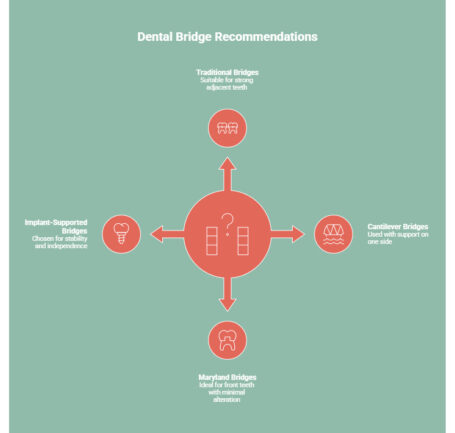
- Traditional bridges: Best when adjacent teeth are strong enough to support crowns
- Cantilever bridges: Used when support exists on only one side, though less preferred due to uneven load
- Maryland bridges: Suitable for front teeth, where minimal alteration is needed
- Implant-supported bridges: Chosen when stability and independence from surrounding teeth are priorities
Each option differs in durability, cost, and how much it relies on neighbouring teeth.
A dental bridge works best when the surrounding teeth can support it, and the goal is to restore function without moving into more complex procedures. Choosing the right type depends on both your oral condition and how you want the solution to perform long-term.
How Much Does a Dental Bridge Cost in Houston?
Dental bridge cost in Houston typically ranges from $2,600 to $5,800, with most patients falling between $3,000 and $4,500, depending on their case. This usually includes the bridge, supporting crowns, and standard clinical procedures.
For example:
- Replacing three front teeth often stays in the mid-range
- Replacing four to five teeth or using advanced materials can push costs higher
- More complex or implant-supported cases can exceed $6,000+
The final cost depends on the type of bridge, materials used, and overall treatment complexity.
Average Cost by Bridge Type
Different bridge types come with different pricing due to structure and support requirements:
- Traditional bridges fall in the mid-cost range and are widely used
- Cantilever bridges are less common and may cost slightly less
- Maryland bridges are more affordable due to minimal preparation
- Implant-supported bridges cost the most due to surgical placement and higher stability
Material choice also affects pricing. Zirconia and all-ceramic options cost more than porcelain-fused-to-metal due to strength and aesthetics.
Cost Per Tooth vs Total Treatment Cost
Dental bridge pricing reflects the entire procedure, not just the replacement tooth. Larger bridges increase cost, but preparation and placement are major contributors.
A typical treatment cost includes:
- Consultation and diagnostic imaging
- Tooth preparation
- Bridge fabrication
- Temporary bridge placement
- Final fitting and adjustments
However, some costs are often not included upfront, such as:
- Root canal treatment (if the supporting tooth is infected)
- Gum treatment for underlying periodontal issues
- Tooth extractions before bridge placement
These additional procedures can increase the total cost depending on your oral health condition.
Understanding what is included and what is not helps you evaluate estimates more accurately and avoid unexpected expenses. A personalised consultation is the best way to get a precise cost based on your specific needs.
What Factors Affect Dental Bridge Cost in Houston?
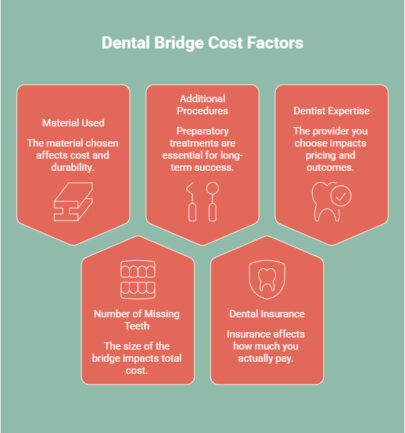
Dental bridge cost in Houston is not fixed. While average pricing gives a starting point, your final cost depends on clinical needs, materials, and how much of the treatment is covered by insurance.
Understanding these factors helps you estimate both total cost and actual out-of-pocket expense.
1. Material Used
The material you choose directly affects both cost and durability.
- Porcelain bridges: Natural-looking, ideal for visible teeth
- Zirconia bridges: Strong and long-lasting, higher cost
- Porcelain-fused-to-metal (PFM): Balanced option between cost and aesthetics
- Metal-based bridges: More affordable but less aesthetic
Higher-end materials increase upfront cost but often reduce long-term maintenance or replacement needs.
2. Number of Missing Teeth
The size of the bridge impacts total cost.
- A single missing tooth typically requires a three-unit bridge
- Multiple missing teeth need longer bridges with more support
- Larger restorations increase lab work, materials, and chair time
As the span increases, so does the complexity and overall cost.
3. Additional Procedures Required
Many patients need preparatory treatments before bridge placement.
- Treating decay in supporting teeth
- Root canal therapy if the tooth is compromised
- Tooth extractions or gum treatment
- Diagnostic imaging like X-rays or digital scans
These are not always included in the base quote but are essential for long-term success.
4. Dental Insurance and Coverage Limits
Insurance affects how much you actually pay, not the base treatment cost.
Most plans classify bridges as major procedures, which means:
- 40% to 50% coverage under standard plans
- Up to 70% coverage with premium plans
- Coverage applies only after the deductible is met
- Costs are capped by the annual maximum limit
For example, a $4,000 treatment with 50% coverage may leave you paying around $2,000 out of pocket, depending on your remaining benefits.
Some plans also require pre-approval or waiting periods, which can delay treatment or affect eligibility.
5. Dentist Expertise and Technology
The provider you choose also impacts pricing and outcomes.
- Experienced dentists may charge more but reduce risk of errors
- Digital tools improve precision and fit
- Advanced techniques minimise adjustments and long-term issues
Paying slightly more upfront often leads to better durability and fewer complications.
Each of these factors works together to determine not just the total cost, but the value you get from the treatment. A personalised consultation helps break this down clearly based on your specific dental condition and coverage.
Curious about modern alternatives to traditional implants? Explore how screwless dental implants offer a more comfortable and seamless solution.
What Is the Dental Bridge Cost Without Insurance?
Without insurance, you are responsible for the full cost of the procedure. In Houston, dental bridge cost typically ranges from $2,000 to $5,000 or more, depending on the complexity and materials used.
This cost usually includes:
- Tooth preparation and impressions
- Laboratory fabrication of the bridge
- Placement and fitting appointments
While the upfront cost may seem high, delaying treatment can lead to more serious issues such as shifting teeth, bite problems, or bone loss, which often require more expensive procedures later.
To make treatment more accessible, many dental clinics offer:
- Flexible monthly payment plans
- Third-party financing options
- In-house membership or savings plans
These options allow patients to move forward with treatment without financial strain.
Not sure whether implants or veneers are the better investment for your smile? Explore the key differences, costs, and outcomes here.
What Is the Cost Difference Between Temporary and Permanent Dental Bridges in Houston?
Temporary and permanent dental bridges serve different purposes, which is reflected in their cost and durability.
Temporary bridges are typically used for a short period while your permanent restoration is being created. In most cases, their cost is already included in the overall treatment plan. They help protect prepared teeth and maintain basic function during the waiting phase.
Permanent bridges, on the other hand, are designed for long-term use and involve higher-quality materials and precise customization.
Key differences include:
- Temporary bridges are lower cost, short-term, and less durable
- Permanent bridges are higher cost, long-term, and more natural-looking
- Permanent options require more detailed lab work and fitting
The real cost variation often comes from the type of permanent bridge chosen, especially when comparing traditional bridges with implant-supported ones.
Thinking long-term beyond bridges? Explore the best dental implant options, benefits, and costs to see if implants are the right investment for your smile.
Dental Bridge vs Dental Implant: Which Option Is More Cost-Effective?
At first glance, dental bridges seem more affordable because they cost less upfront and can be completed quickly. But cost-effectiveness is not just about what you pay today. It is about how often you will need to pay again.
When you factor in lifespan, replacement cycles, and long-term maintenance, the comparison changes significantly.
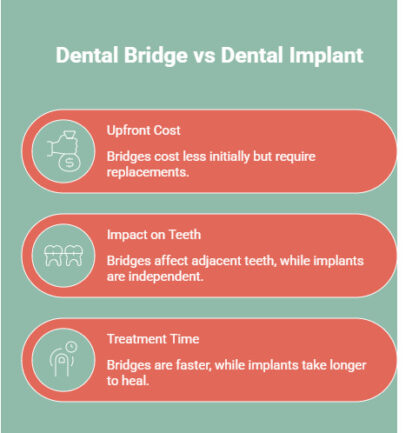
1. Upfront Cost vs Long-Term Spend
A dental bridge in Houston typically costs $2,600 to $5,800. A dental implant usually ranges from $3,500 to $6,500 per tooth.
On the surface, a bridge looks like the more budget-friendly option. However, bridges typically last 5 to 15 years, while implants can last 20 years or more, often decades with proper care.
Over time, this creates a cost gap.
- Replacing a bridge two or three times: $6,000 to $12,000+ total spend
- One well-placed implant: $3,500 to $6,500 one-time investment
The difference is not just price. It is how often you need to restart the treatment.
2. Impact on Surrounding Teeth
A bridge relies on adjacent teeth for support. This means those teeth are reshaped and carry additional load over time. If those supporting teeth weaken or fail, the bridge may need to be replaced earlier.
An implant works independently. It does not affect neighbouring teeth, which reduces the risk of future complications and additional costs.
3. Treatment Time and Commitment
Bridges are faster. Most cases are completed within two to three weeks, making them a practical choice if you want a quick solution.
Implants take longer. The full process can take three to six months, including healing time. However, this longer process is what allows the implant to integrate with the bone and last longer.
Which One Should You Choose?
- Choose a dental bridge if your priority is lower upfront cost, faster treatment, and avoiding surgery
- Choose a dental implant if your priority is long-term durability, fewer replacements, and preserving surrounding teeth
In most cases, implants are more cost-effective over time, while bridges are more practical in the short term.
The right choice depends on whether you are solving for immediate affordability or long-term value. A consultation helps you align that decision with your oral health condition and financial plan.
The right choice depends on your budget, oral health condition, and long-term goals. A detailed consultation helps you weigh both immediate affordability and future value before making a decision.
Why Choose Dentist Tree of the Heights for Dental Bridges in Houston?
Choosing the right dental provider is just as important as choosing the right treatment. At Dentist Tree of the Heights, patients receive personalised, transparent care focused on long-term results, not just short-term fixes.
The clinic combines advanced restorative dentistry with a patient-first approach, helping you understand both the dental bridge cost in Houston and alternative solutions like implants before making a decision.
Here’s what sets them apart:
- Comprehensive treatment options, including dental bridges, crowns, and dental implants, under one roof
- Advanced technology for accurate diagnosis, precise fittings, and better long-term outcomes
- Experienced dental team focused on restoring function, aesthetics, and comfort
- Clear cost breakdowns so you understand exactly what you are paying for
- Flexible financing options to make treatments more accessible without delays
Whether you need a temporary fix or a permanent solution, the team helps you choose the most effective option based on your dental condition, lifestyle, and budget. Schedule your consultation today to get a personalised treatment plan and accurate cost estimate.
Conclusion
Dental bridge cost in Houston depends on several factors, including materials, complexity, and insurance coverage. While pricing varies, understanding these elements helps you make a confident and informed decision.
A dental bridge is not just a cost; it is an investment in your oral health, function, and long-term comfort. The best next step is to schedule a consultation, review your options, and choose a treatment plan that aligns with both your needs and budget.
Frequently Asked Questions
How does dental insurance affect dental bridge costs in Houston?
Dental insurance plans usually cover a portion of the cost of dental bridges, often around 40% to 50%. Your final cost depends on deductibles, annual limits, and additional treatments required, which influence the overall cost based on individual needs.
Are payment plans or financing options available for dental bridges in Houston?
Yes, many dental practices offer flexible payment plans or financing options. These help patients manage the price of a dental bridge by splitting the overall cost into monthly payments, making it easier to maintain dental health without delaying essential dental procedures.
What is typically included in the quoted dental bridge cost at Houston dental offices?
The cost of bridges usually includes consultation, tooth preparation, temporary bridge placement, and the final artificial tooth. However, additional treatments like root canals or work on the abutment tooth may increase the overall cost depending on the condition of healthy teeth.
Can a dental bridge be temporary?
Yes, a temporary bridge is placed to protect the missing tooth area while the permanent false tooth is prepared. It maintains function and appearance, especially for front teeth, and ensures the side of the gap remains stable during the process.
How long does a dental bridge last?
A traditional dental bridge can last 5 to 15 years with proper care. Longevity depends on oral hygiene, the strength of the abutment tooth, and lifestyle habits. Maintaining healthy teeth improves durability and supports better long-term quality of life.
Does the location or clinic influence dental bridge costs?
Yes, the geographic location and dental practices you choose can affect the price of a dental bridge. Clinics in major cities like Houston may have higher costs due to advanced technology, expertise, and demand, which can impact the overall cost.