

Key Highlights
- Dental implants and bridges are the most common tooth replacement options.
- Implants are durable, preserve bone health, and last 15+ years.
- Bridges are quicker, cheaper, and usually covered by insurance.
- Bridges need replacement every 5–7 years; implants rarely do.
- Implants cost $3,000–$6,000; bridges cost $550–$1,500 per tooth.
- Choice depends on budget, health, number of teeth, and timeline.
- Dentist Tree offers expert guidance and personalized treatment options.
Losing a tooth is more common than you might think. In fact, according to National Institute of Dental and Craniofacial research, 17.3% of adults aged 65 and older have no remaining natural teeth. Tooth loss isn’t just a consequence of aging; it can affect people at various stages of life and often leads to long-term outcomes.
A missing tooth doesn’t just leave a gap in your smile. It can make chewing harder, affect your speech, and even cause nearby teeth to shift. Over time, it can impact both your confidence and your overall oral health.
The good news is that modern dentistry offers reliable solutions. Two of the most effective are dental implants and bridges. In this blog, we’ll compare their pros and cons, costs, and explore how to choose between them, as well as other alternatives, so you can find the option that best fits your needs.
Dental Implants vs Dental Bridges: What They Are
When it comes to replacing missing teeth, the two most common options are dental bridges and dental implants. Let’s take a closer look at how each works.
1. What Is a Dental Implant?
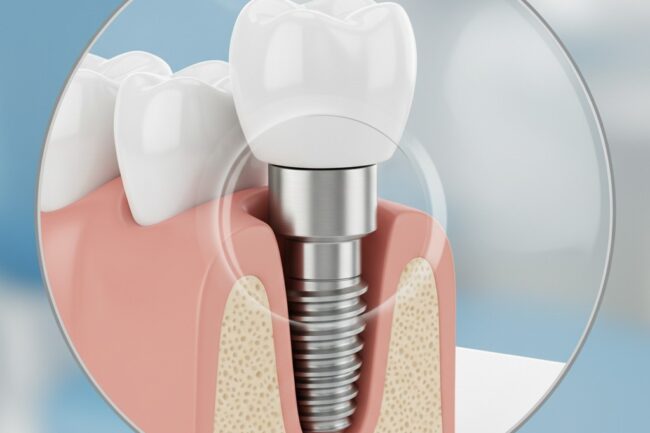
A dental implant is a titanium post placed in the jawbone that acts as an artificial root. Once healed, a crown is attached, creating a strong, natural-looking replacement. Implants also protect jawbone health but require surgery and a longer healing process.
2. What Is a Dental Bridge?
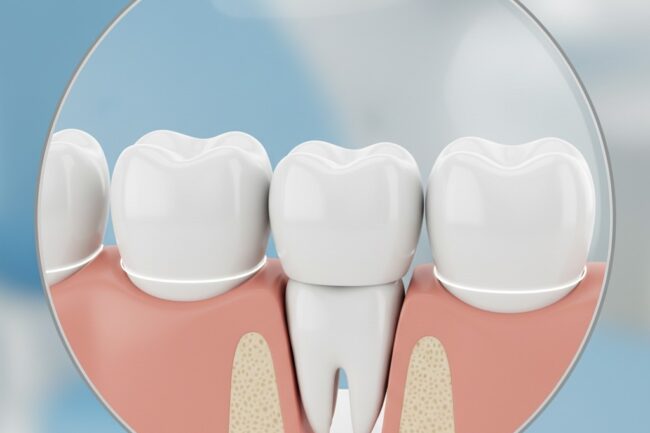
A dental bridge fills the space left by missing teeth by attaching artificial teeth to the healthy ones on either side. Often made from porcelain or ceramic, bridges blend seamlessly with natural teeth and can be completed quickly without the need for surgery. Some patients choose dental implants to support a bridge when multiple teeth need to be replaced.
So, if you are comparing a tooth implant vs dental bridge, implants offer more long-term benefits but involve higher costs and healing time.
Dealing with sudden pain or a broken tooth? Get emergency dental care in Houston today.
Bridge or Implant: Which Fits Your Needs Best?
Choosing between a dental bridge or implant can be a challenging decision. Both can restore your smile, but the real question is which one matches your health, lifestyle, and budget.
Here’s a quick comparison to help you decide:
Dental Bridge
- Usually covered by insurance
- Lower upfront cost
- No surgery or bone grafting needed
- Completed in just a few visits
- Needs replacement every 5 to 7 years
- May damage or weaken nearby teeth
- Higher risk of cavities in surrounding teeth
- Does not prevent bone loss beneath the missing tooth
- Can lose its natural appearance over time
Dental Implant
- Can last 15 years or more
- Helps preserve jawbone and facial structure
- Doesn’t affect nearby teeth
- Very high long-term success rate
- Higher upfront cost
- Less likely to be covered by insurance
- Requires surgery and months of healing
- Small risk of surgical complications
A bridge works best if you’re looking for a faster, more affordable fix with insurance coverage. At the same time, an implant is the stronger choice if you want a lasting, natural-looking solution that also protects bone health.
Which Is More Affordable: A Bridge or an Implant?
Cost is often the deciding factor when patients are choosing between a bridge and an implant. Both treatments restore missing teeth, but their price structures and long-term value differ.
Here’s how the costs typically compare:
Dental Bridges
Thinking about a bridge? Here’s what you can expect to pay:
- $550 to $1,500 per tooth
- Supporting crowns may add $500 to $2,500 per tooth
- Often partly covered by insurance
- Replacement is typically needed every 5 to 7 years, bringing estimated 20-year costs to about $3,000 to $9,000+ per tooth
Dental Implants
Choosing implants instead? Here’s how the costs usually break down:
- $3,000 to $6,000 per tooth
- Rarely covered by insurance, so usually paid out of pocket
- Designed to last 15 years or more, often for life
- Lifetime costs are often limited to the initial investment since replacements are uncommon
Bridges generally involve a lower upfront expense and are more likely to be covered by insurance, but ongoing replacements add to long-term costs.
Implants require a higher initial investment but are built for durability, which may reduce total spending over time. The right choice depends on your budget, insurance benefits, and long-term treatment goals
Wondering what your dental insurance covers? Check your insurance options here and see how affordable your treatment can be.
Not Sure Between a Bridge and an Implant? Here’s How to Choose
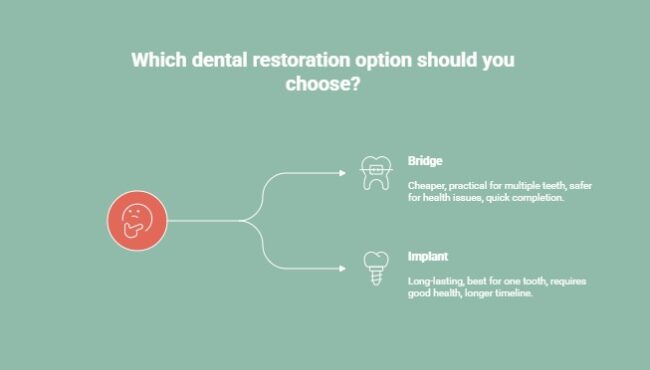
Still unsure whether a bridge or an implant is right for you? You’re not alone. Many patients struggle with this decision. The truth is that the best choice depends on your lifestyle, health, and long-term objectives. Here are a few things to think about.
1. Your Budget and Insurance
If cost is your main concern, a bridge may be the way to go. It’s less expensive upfront and more likely to be covered by insurance. Implants, while pricier and rarely covered, can be a smart investment if you’re looking for durability and fewer replacements down the road.
2. The Number of Teeth You’re Replacing
Missing just one tooth? An implant can give you a natural, permanent replacement. Missing several teeth in a row? A bridge often makes more sense since placing multiple implants can be complex and costly. This is especially true when comparing fixed bridges vs dental implants.
3. Your Overall Health
Implants require a surgical procedure and good healing ability. If you have conditions like uncontrolled diabetes or poor bone density, your dentist might recommend a bridge instead. Bridges don’t involve surgery, making them a safer option for some patients.
4. How Quickly You Want Results
Need a fast solution? A bridge can usually be completed in just a couple of dental visits. Implants take more time, often several months, because the bone needs to heal before the crown can be attached.
So, if you need something quick and budget-friendly, a bridge might do the job. But if you’re thinking long-term and want the next best thing to your natural tooth, an implant could be the smarter move.
For cosmetic cases, many patients ask about a dental bridge vs implant for front teeth, where aesthetics and durability are equally important.
What Other Tooth Replacement Options Should You Know About?
Bridges and implants are popular choices, but they aren’t the only ways to replace missing teeth. Depending on your situation, your dentist may recommend other solutions that can temporarily or permanently fill the gap.
1. Partial Dentures
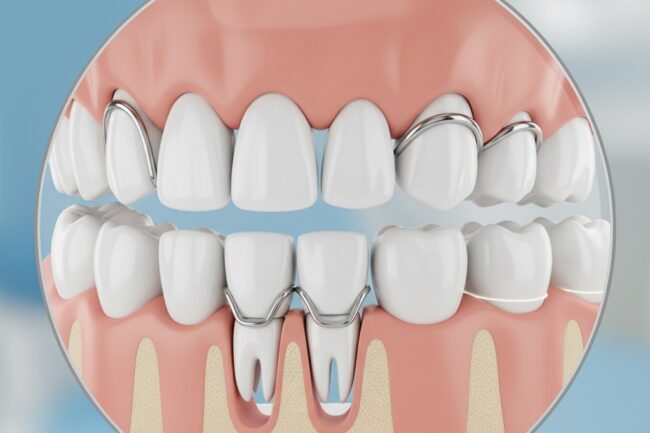
Partial dentures are removable appliances made of plastic and metal that clip onto your natural teeth. They’re usually more affordable than bridges or implants and can replace one or several missing teeth. While functional, they may feel less stable, affect speech or eating, and need daily cleaning.
Best for: Patients who want a budget-friendly solution or who aren’t ready for a permanent procedure.
2. Space Maintainers
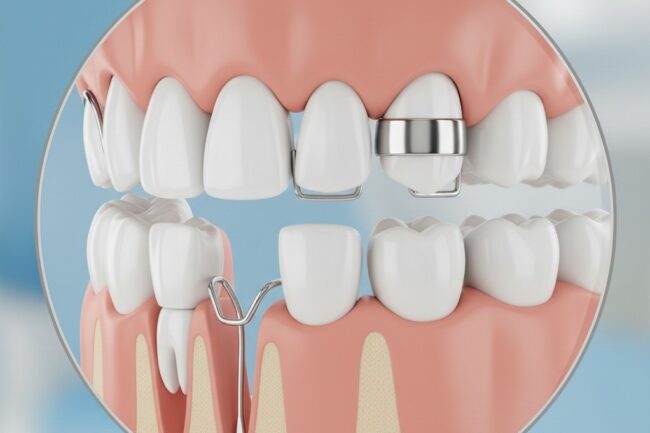
If you’re not ready for a permanent replacement, a space maintainer can keep the gap open and stop nearby teeth from shifting. These are often used in children, but adults can use them as a short-term option until they’re ready for a bridge or implant. Sometimes, a retainer with a placeholder tooth can serve the same purpose.
Best for: Patients who require a temporary solution before proceeding with implants or bridges, or in children awaiting the eruption of permanent teeth.
While these options may not look or feel as natural as bridges or implants, they can be useful if cost, health, or timing make permanent treatment difficult right now.
Your Smile, Your Choice: Bridges & Implants at Dentist Tree
Losing a tooth can feel overwhelming. You might worry about the gap in your smile, the cost of treatment, or whether the process will be uncomfortable. At Dentist Tree of the Heights, we understand those concerns, and we’re here to make your journey stress-free and straightforward.
Here’s how we can help:
- All-in-one care – From implants and bridges to crowns and proper care, we provide comprehensive dental services under one roof.
- Comfort-focused dentistry – With modern technology and gentle techniques, we make treatments as easy and painless as possible.
- Personalized solutions – We’ll create a treatment plan tailored to your health, lifestyle, and budget, with flexible financing options available.
- A caring team – Our patients appreciate the support and reassurance they feel during every visit.
If you’re deciding between a dental bridge and an implant, we’ll guide you through your options and help you choose what’s best for your smile and long-term oral health.
Schedule your online consultation and take the first step toward a healthier, more confident smile.
Final Words
Losing a tooth may feel like a setback, but it can also be the start of something better. With today’s dental options, you don’t have to settle for gaps, discomfort, or self-consciousness.
Whether you’re curious about dental implants versus bridge, or other treatments, the best way forward is to talk with a dentist who can match the right solution to your needs and goals.
Frequently Asked Questions
What are the steps involved in getting a dental bridge versus a dental implant?
A bridge requires reshaping adjacent teeth, adding dental crowns, and attaching the bridge in a few visits. An implant involves oral surgery to place an artificial tooth root, a healing period, and then adding a crown for a stable replacement.
Dental bridge or implant which is better?
A bridge is quicker, less expensive, and often covered by insurance. An implant costs more and takes longer but lasts longer, looks natural, and preserves bone health. The better choice depends on your needs, health, and budget. Comparing a permanent dental bridge vs implant highlights these differences clearly.
Which is more painful, a bridge or an implant?
Bridges involve minimal discomfort since they don’t require surgery. Implants involve a surgical procedure, so some soreness during healing is expected. With anesthesia and modern techniques, both treatments are generally well-tolerated and manageable with prescribed pain relief.
Can you eat normally with a dental bridge?
Yes, you can eat most foods with a dental bridge once it’s fitted. However, very hard or sticky foods may damage or loosen it over time. Implants offer stronger biting power, closer to natural teeth.
Do dental bridges and implants require different care or maintenance?
Bridges need careful cleaning under and around the false tooth to avoid decay in nearby teeth. Implants require brushing, flossing, and routine checkups, similar to natural teeth, and generally need less long-term maintenance than bridges.