

Key Highlights
- Tooth pain without a cavity can result from grinding, cracked teeth, gum recession, infections, or sinus pressure.
- Severe tooth pain without a cavity may indicate hidden nerve damage or an underlying dental infection.
- Tooth pain and sensitivity, but no cavity, often worsen with hot, cold, sweet, or acidic foods and drinks.
- Warning signs such as swelling, fever, throbbing pain, or pain when chewing require prompt dental care.
- Ignoring tooth pain without a cavity can lead to infection, root canal treatment, or tooth loss.
- Dentists treat unexplained tooth pain using night guards, crowns, gum therapy, root canals, and sensitivity treatments.
- Dentist Tree of the Heights provides detailed evaluations and emergency care for persistent tooth pain.
Tooth pain without a cavity can feel confusing and frustrating. You eat something soft, drink coffee, or wake up with a sharp ache, only to find that the tooth looks completely normal. Even without visible damage, the discomfort can quickly interfere with eating, sleeping, and daily activities.
Although cavities are a common cause of toothaches, they are not the only reason teeth hurt. Problems like teeth grinding, cracked teeth, exposed roots, gum recession, infections, and sinus pressure can all trigger pain beneath the surface without obvious signs of decay.
Persistent or severe tooth pain without a cavity should never be ignored. Pain that keeps returning, worsens when chewing, or comes with swelling, pressure, or sensitivity may indicate underlying nerve damage or infection that requires prompt dental attention.
What Is Tooth Pain Without a Cavity?
Tooth pain without a cavity is discomfort caused by problems other than visible tooth decay. Pain can develop from issues affecting the tooth nerves, enamel, gums, bite alignment, jaw joints, or surrounding tissues, even when no cavity is present.
The discomfort may feel sharp, throbbing, sensitive, or constant depending on the underlying condition. Some people notice pain while chewing or drinking something cold, while others experience pressure or soreness that comes and goes throughout the day.
Not all tooth pain originates directly from the tooth itself. Problems such as sinus infections or temporomandibular joint (TMJ) disorders can create referred pain that feels like a toothache even when the tooth structure is healthy. In other cases, cracked teeth, gum recession, grinding, enamel erosion, or hidden infections may irritate the tooth nerve and cause pain without visible decay.
Because many of these problems develop beneath the surface, dental X-rays and professional exams are often needed to identify the exact cause and prevent the condition from worsening.
What Causes Tooth Pain Without a Cavity?
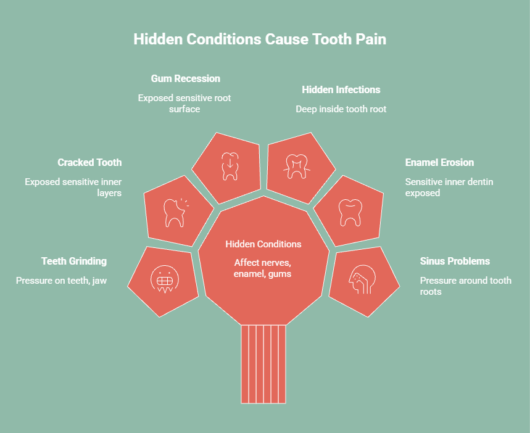
Tooth pain without cavity problems can develop from several hidden conditions affecting the nerves, enamel, gums, or supporting structures around the tooth. The discomfort may feel sharp, throbbing, sensitive, or constant depending on the underlying cause, and early diagnosis is important to prevent worsening pain or long-term damage.
1. Can Teeth Grinding Cause Tooth Pain?
Yes, teeth grinding, also known as bruxism, can cause tooth pain even without a cavity. Constant grinding places pressure on the teeth, jaw muscles, and temporomandibular joint (TMJ), often leading to soreness, morning jaw pain, headaches, and tooth sensitivity.
Over time, this repeated pressure can wear down enamel and create tiny fractures that make teeth more sensitive to temperature and pressure. If left untreated, bruxism may lead to long-term damage affecting both your teeth and jaw.
2. Can a Cracked Tooth Cause Pain Without a Cavity?
Yes, a cracked tooth can cause pain even when no cavity is visible. Small fractures may expose the tooth’s sensitive inner layers, causing sharp discomfort when chewing or sensitivity to hot and cold foods.
Many patients also notice pain when releasing bite pressure after chewing. Cracked-tooth pain often comes and goes, making the problem difficult to detect without a professional dental exam. If left untreated, the crack can deepen over time and increase the risk of infection or tooth loss.
3. Can Gum Recession Trigger Nerve Pain?
Gum recession occurs when gum tissue pulls away from the tooth, exposing the sensitive root surface. Because the root is not protected by enamel, hot, cold, sweet, or acidic foods can trigger sharp nerve pain and sensitivity.
This problem is commonly linked to gum disease, aggressive brushing, or long-term enamel wear. Early treatment helps prevent worsening sensitivity and further gum damage.
4. Can Hidden Infections Cause Severe Tooth Pain Without a Cavity?
Yes, hidden infections can cause severe tooth pain even when no cavity is visible. Infections deep inside the tooth root or gums often create constant throbbing pain, swelling, sensitivity, fever, or a bad taste in the mouth.
Because infections can spread quickly, these symptoms should be treated as a dental emergency. Prompt care helps prevent damage to surrounding teeth, gums, and bone.
5. Can Enamel Erosion Lead to Tooth Sensitivity?
Yes, enamel erosion can cause tooth pain and sensitivity without a cavity. When the protective enamel layer gradually wears down, the sensitive inner dentin becomes exposed and reacts painfully to hot, cold, sweet, or acidic foods and drinks.
Common causes of enamel erosion include acidic beverages, energy drinks, acid reflux, frequent citrus exposure, aggressive brushing, and overuse of whitening products. Protecting enamel early helps reduce sensitivity and prevent further damage.
6. Can Sinus Problems Cause Tooth Pain?
Yes, sinus infections and allergies can sometimes cause tooth pain, especially in the upper back teeth. When the sinus cavities become inflamed, pressure can build around nearby tooth roots and create a dull aching sensation that feels similar to a toothache.
Unlike pain caused by a single damaged tooth, sinus-related discomfort often affects several upper teeth at once. The pain may worsen when bending forward or lying down and is commonly accompanied by congestion, facial pressure, or headaches.
How Can You Tell If Tooth Pain Is Serious?
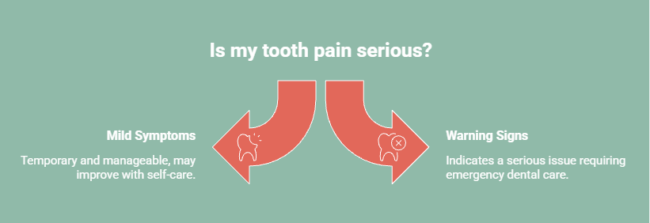
Tooth pain becomes more concerning when it lasts longer than a day or two, worsens over time, or comes with symptoms like swelling, fever, or sharp pain while chewing. While mild sensitivity may improve on its own, persistent or severe discomfort often signals an underlying problem that requires professional dental care.
1. Mild Symptoms That May Improve
Some cases of tooth pain without cavity problems are temporary and may improve with simple self-care or reduced irritation. Mild sensitivity or soreness does not always indicate a serious dental emergency, especially when symptoms are short-lived and manageable.
Signs that may be less serious include:
- Brief sensitivity to cold foods or drinks
- Mild jaw soreness after clenching or grinding
- Temporary discomfort that improves within a day or two
- Minor sensitivity without swelling or severe pain
Even mild symptoms should be monitored closely. If the discomfort continues, becomes more frequent, or starts interfering with eating or sleeping, a dental evaluation is recommended.
2. Warning Signs That Need Emergency Dental Care
Certain symptoms suggest a more serious issue, such as a hidden infection, nerve damage, or a cracked tooth. Severe tooth pain without a cavity should never be ignored, especially when the pain becomes constant or is accompanied by swelling or pressure.
Seek immediate dental care if you experience:
- Severe throbbing or sharp tooth pain
- Swelling in the gums, jaw, or face
- Fever alongside tooth pain
- Pain that disrupts sleep or daily activities
- Sharp pain while chewing or biting down
- A bad taste in the mouth or signs of pus
These symptoms often indicate an infection or deeper structural problem that requires prompt treatment to prevent further complications.
What Can You Do for Tooth Pain Until You See a Dentist?
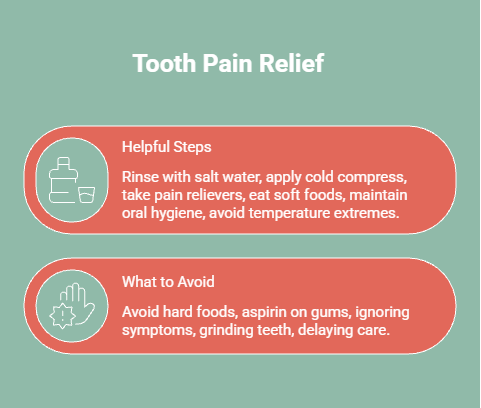
If you’re dealing with tooth pain without a cavity, a few simple steps may help reduce discomfort until you can see a dentist. While these remedies can provide temporary relief, they do not treat the underlying cause of the pain or replace professional dental care.
1. Helpful Steps to Reduce Tooth Pain
Managing irritation and reducing pressure on the affected tooth can help make the pain more manageable before your appointment.
Here are a few helpful ways to reduce discomfort:
- Rinse your mouth with warm salt water to help reduce irritation and keep the area clean
- Apply a cold compress to the outside of your cheek for 15–20 minutes to reduce swelling and numb the area
- Take over-the-counter pain relievers as directed
- Stick to soft foods and avoid chewing on the painful side
- Maintain gentle oral hygiene to prevent further irritation
- Avoid very hot or extremely cold foods and drinks that may trigger sensitivity
These steps may temporarily reduce discomfort, but severe or persistent tooth pain still requires a professional dental evaluation.
2. What Should You Avoid Doing?
Certain habits can worsen tooth pain or increase the risk of further damage before treatment.
Avoid the following:
- Chewing hard, crunchy, or sticky foods
- Placing aspirin or excessive clove oil directly on the gums or tooth
- Ignoring swelling, fever, or worsening pain
- Grinding or clenching your teeth
- Delaying dental care if pain wakes you up at night or keeps returning
If the pain becomes constant, starts spreading, or comes with swelling or fever, seek emergency dental care as soon as possible.
What Happens If You Ignore Tooth Pain Without a Cavity?
Ignoring tooth pain without a cavity can allow hidden dental problems to worsen over time. Pain is often an early warning sign of issues such as infections, cracked teeth, gum disease, nerve irritation, or enamel damage, and delaying treatment increases the risk of more serious complications.
A small tooth fracture may continue spreading and weaken the tooth structure, eventually making the tooth difficult to save. Untreated grinding or bite pressure can also wear down enamel and increase nerve sensitivity, leading to chronic discomfort and structural damage.
Hidden infections are especially concerning because bacteria can spread beyond the tooth into the gums, jawbone, or surrounding tissues. In severe cases, untreated infections may lead to bone loss, facial swelling, abscess formation, or tooth loss.
Delaying care often means more invasive and expensive treatment later. What may begin as mild sensitivity or occasional discomfort can eventually require root canal therapy, crowns, gum treatment, or tooth extraction if the underlying problem continues progressing.
How Do Dentists Treat Tooth Pain Without a Cavity?
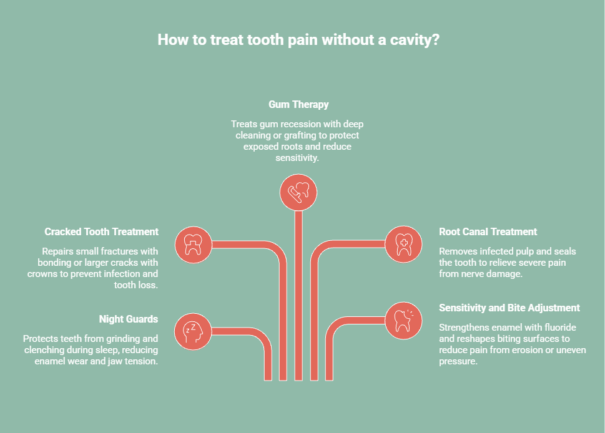
Treatment for tooth pain without a cavity depends on the underlying cause of the discomfort. After a detailed exam and diagnosis, dentists focus on relieving pain, protecting the tooth, and preventing the problem from worsening. Depending on the condition, treatment may involve protective appliances, restorative procedures, gum therapy, or nerve treatment.
1. Night Guards for Teeth Grinding
If teeth grinding is causing the pain, dentists often recommend a custom night guard to protect the teeth from constant pressure during sleep. Night guards help reduce enamel wear, jaw tension, headaches, and soreness linked to bruxism.
By preventing grinding and clenching, the appliance reduces stress on the teeth and temporomandibular joint (TMJ), helping protect against long-term damage and sensitivity.
2. Treatment for Cracked Teeth
Small tooth fractures can often be repaired with dental bonding, while larger cracks may require a dental crown to strengthen and protect the tooth. Treating cracks early is important because untreated fractures can deepen and increase the risk of infection or tooth loss.
Dentists may use digital imaging or specialized tools to locate cracks that are difficult to see during a routine exam.
3. Gum Therapy for Recession
When gum recession exposes the tooth roots, dentists focus on treating the underlying gum problem and protecting sensitive areas. Deep cleaning treatments such as scaling and root planing help remove bacteria and encourage gum healing.
In more advanced cases, gum grafting may be recommended to cover exposed roots and reduce sensitivity. Proper oral hygiene and regular dental visits are essential after treatment to prevent further gum recession.
4. Root Canal Treatment for Nerve Damage
Hidden infections, trauma, or deep cracks can inflame the nerve inside the tooth and cause severe pain even without a visible cavity. In these situations, root canal treatment may be necessary to remove infected tissue and relieve discomfort.
During the procedure, the damaged pulp is cleaned out, the inner tooth is disinfected, and the space is sealed to prevent reinfection. Many treated teeth are later restored with a dental crown for added strength and protection.
5. Sensitivity and Bite Adjustment Treatments
If enamel erosion or uneven bite pressure is causing pain, dentists may recommend desensitizing treatments or bite adjustments. Fluoride applications and sensitivity treatments help strengthen weakened enamel and reduce nerve irritation.
When bite pressure is uneven, reshaping specific biting surfaces can reduce stress on affected teeth and improve overall comfort while chewing
Early treatment helps prevent more serious dental complications and protects your long-term oral health. Understanding when a dentist can refuse to treat a patient can also help you know what to expect during dental care.
How Can You Prevent Tooth Pain Without Cavities?
Preventing tooth pain without cavities starts with protecting your enamel, gums, and tooth structure from daily damage. Consistent oral care, early treatment of dental problems, and regular checkups can help reduce the risk of sensitivity, infections, cracks, and nerve irritation before they become painful.
Routine dental visits are especially important because many hidden causes of tooth pain, such as grinding, gum recession, or small fractures, may develop gradually without obvious symptoms. Early detection helps prevent more serious complications and costly treatment later.
What Habits Help Prevent Tooth Pain?
Simple daily habits can go a long way in protecting your teeth and reducing the risk of unexplained dental pain.
Here are some important preventive steps:
- Brush gently twice a day using a soft-bristled toothbrush and fluoride toothpaste
- Floss daily to remove plaque and protect gum health
- Wear a custom night guard if you grind or clench your teeth
- Avoid chewing ice, hard candy, or other hard foods that may crack teeth
- Limit acidic drinks and sugary snacks that weaken enamel
- Schedule regular dental cleanings and exams to catch problems early
Maintaining these habits consistently helps keep your teeth stronger, reduces sensitivity, and lowers the risk of future tooth pain without cavity problems. Understanding emergency dental insurance options can also help you prepare for unexpected dental pain or urgent treatment needs.
Why Choose Dentist Tree of the Heights for Tooth Pain Relief?
Tooth pain without a cavity often requires more than a basic dental exam. Hidden problems such as cracked teeth, nerve irritation, grinding, gum recession, or infections can be difficult to identify without a proper evaluation.
At Dentist Tree of the Heights, patients receive focused dental care designed to quickly identify the source of pain and treat it before the problem worsens.
How Dentist Tree Helps Patients With Unexplained Tooth Pain
During your visit, the team evaluates your teeth, gums, bite, and surrounding structures to identify the cause of your discomfort. Treatment is based on the condition affecting your oral health, not just the symptoms.
Patients have access to:
- Digital X-rays and detailed dental evaluations
- Emergency care for severe tooth pain and swelling
- Treatment for cracked teeth, infections, gum problems, and grinding
- Root canal therapy, crowns, night guards, and sensitivity treatments
- Flexible scheduling and financing options
If your tooth pain keeps returning or becomes more severe, scheduling an early dental evaluation can help prevent more serious complications. Schedule an appointment with Dentist Tree of the Heights today to identify the cause of your tooth pain before it becomes more serious.
Conclusion
Tooth pain without a cavity should never be ignored, especially when the discomfort keeps returning or becomes more severe over time. Hidden problems like grinding, cracked teeth, infections, gum recession, or nerve irritation can continue worsening without proper treatment.
Getting an early dental evaluation helps identify the cause of the pain before it leads to more serious complications such as infections, root damage, or tooth loss. If you are experiencing persistent tooth pain but no visible cavity, seeking professional care is the best step toward protecting your oral health and finding lasting relief.
Frequently Asked Questions
What dental issues might be hidden if my tooth hurts but looks healthy?
A healthy-looking tooth can still hide problems like cracks, grinding damage, gum recession, nerve inflammation, enamel erosion, or deep infections. These issues often develop beneath the surface and may only be detected through a professional dental exam or X-rays.
Could tooth sensitivity be responsible for pain without cavities?
Yes, tooth sensitivity can cause pain even without cavities. Worn enamel, exposed tooth roots, aggressive brushing, or acidic foods can expose sensitive inner layers of the tooth, triggering discomfort when eating or drinking hot, cold, sweet, or acidic foods.
Are there non-dental reasons why my tooth could be hurting?
Yes, non-dental issues like sinus infections, allergies, jaw tension, teeth grinding, or temporomandibular joint (TMJ) problems can cause tooth pain. These conditions often create pressure around the tooth roots, leading to discomfort even when the teeth appear healthy.
Is it possible to have nerve pain in a tooth without cavities?
Yes, nerve pain in a tooth can happen without cavities. Grinding, cracked teeth, exposed roots, enamel erosion, or hidden infections can irritate the tooth nerve and cause sharp pain, sensitivity, or throbbing discomfort even when no visible decay is present.
Can you have tooth pain but no cavity or infection?
Yes, tooth pain but no cavity or infection can happen due to grinding, enamel erosion, gum recession, sinus pressure, or small tooth fractures. Even without decay or infection, the nerves inside the tooth can still become irritated and painful.
Can you have a cavity in a tooth but no pain?
Yes, some cavities do not cause pain during the early stages of decay. Small cavities may remain painless until the damage reaches deeper layers of the tooth or begins affecting the nerve.
What are the common causes of tooth pain if there is no cavity?
Common causes of tooth pain without a cavity include teeth grinding, cracked teeth, gum recession, enamel erosion, sinus pressure, exposed tooth roots, and hidden infections. These problems can irritate the tooth nerve and cause pain even when no visible decay is present.