

Key Highlights
- Dental emergencies include severe pain, infection, swelling, bleeding, or trauma that needs immediate care
- Insurance usually covers emergency exams, X-rays, and basic treatments, but major procedures are often only partially covered
- PPO plans offer faster access, HMO plans have lower costs but more restrictions, and indemnity plans give flexibility with upfront payment
- Without insurance, emergency care can exceed $2,000 due to multiple treatments; with insurance, you typically pay 20%–50%
- Acting quickly, choosing in-network providers, and starting with pain relief can reduce both risk and cost
- Reviewing your plan and treatment options before emergencies helps avoid delays and unexpected bills
- Dentist Tree of the Heights offers same-day emergency care, clear pricing, and full-service treatment in one place
Dental emergencies can happen without warning, often when you least expect them. In the U.S., there are around 1.9 million emergency room visits each year for dental-related issues, according to the Centers for Disease Control and Prevention.
When you are in pain, confusion about insurance can make things worse. Many people assume dental insurance works like medical coverage in emergencies, but limits, waiting periods, and network rules often create gaps. This can delay treatment, increase costs, and turn a manageable issue into something more serious.
This blog gives you clear, practical answers. You will learn what counts as a dental emergency, what insurance typically covers, what you may pay, and the exact steps to take so you can act quickly with confidence.
What Counts as a Dental Emergency?
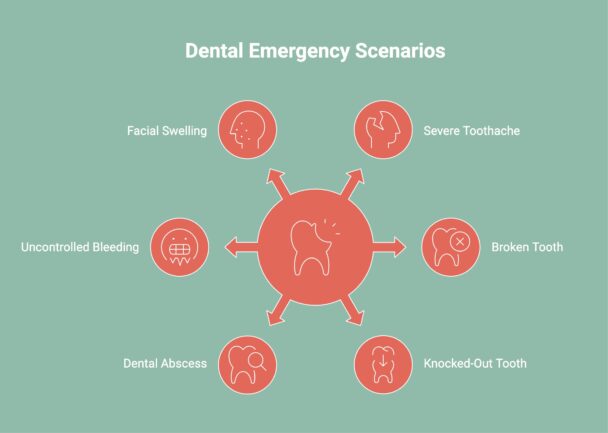
Not every dental issue needs urgent care, but some situations require immediate attention to stop pain, prevent infection, or save a tooth. Understanding the difference helps you act quickly and avoid unnecessary complications.
Here are some common dental emergencies where you should seek care as soon as possible:
- Severe, persistent toothache that does not go away
- Broken, cracked, or chipped teeth causing pain
- Knocked-out tooth that needs immediate preservation
- Dental abscess or infection with swelling or pus
- Uncontrolled bleeding from the gums or mouth
- Swelling in the face or jaw indicating possible infection
Why This Matters for Insurance?
Before asking if emergency dental takes insurance, it’s important to know whether your condition qualifies as an actual emergency. Insurance providers may classify dental issues differently, and that can affect claim approval and coverage.
For example, some plans may cover an emergency exam or X-rays immediately, while treatments like a root canal, crown, or extraction may be covered separately or require approval.
How your issue is classified can affect:
- Claim approval
- What treatment is covered
- Out-of-pocket costs
- Whether pre-authorization is needed
Not sure how to choose a reliable dentist? This guide on how to find a good dentist in Houston can help you decide with confidence.
Will Your Insurance Cover Emergency Dental Treatment?
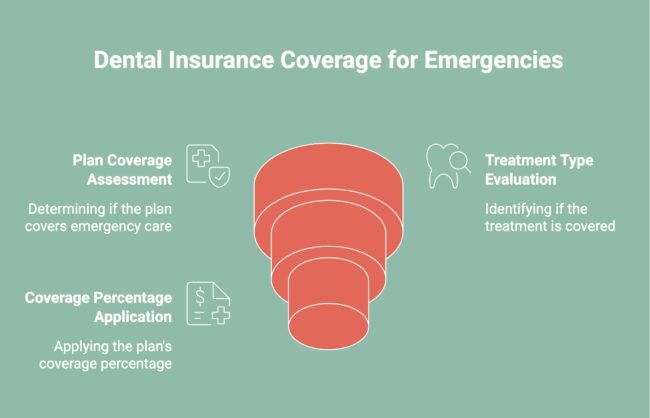
The short answer is yes, but coverage depends on your plan, provider network, and the type of treatment required. Most insurance policies group emergency care under basic or major procedures, not as a separate category.
What’s Typically Covered?
In most cases, emergency dental services covered by insurance include:
- Emergency exams and consultations
- Diagnostic X-rays
- Tooth extractions
- Temporary fillings or repairs
- Root canal treatment (often partial coverage)
- Infection control and prescribed medications
Coverage usually ranges between 50% to 80%, depending on your plan.
What’s Not Fully Covered and Why?
Even during an emergency, some treatments are only partially covered or excluded. Here’s why:
- Cosmetic procedures (veneers, whitening): These are considered non-essential. Insurance focuses on medical necessity, not appearance.
- Dental implants and full restorations: These are classified as major procedures and often come with waiting periods. Insurers use this to prevent people from signing up only when they need expensive treatments.
- Crowns in non-urgent cases: If a temporary fix can solve the issue, insurers may delay full coverage. They prioritize immediate relief over long-term restoration.
- Orthodontic-related issues: These are usually part of separate coverage plans and not included in emergency benefits.
Which Dental Insurance Plans Cover Emergencies in the U.S.?
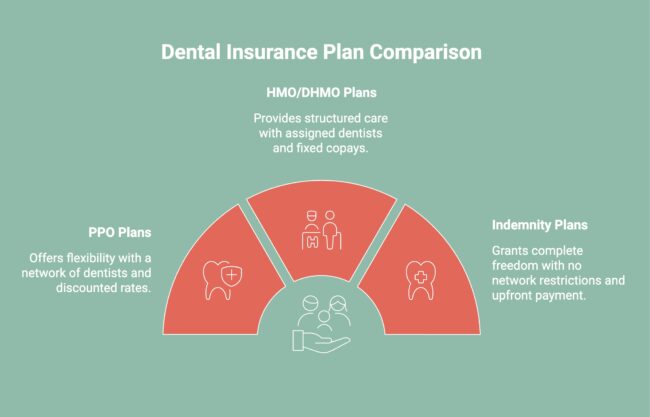
Not all dental insurance plans work the same way. Before looking at costs, it’s important to understand how each plan actually functions during an emergency.
1. PPO Plans (Preferred Provider Organization)
A PPO plan gives you access to a network of dentists who agree to discounted rates. You are not restricted to this network, but staying in-network reduces your costs.
- You can visit any dentist, with or without referrals
- Insurance pays a percentage of the treatment cost
- Lower costs if you stay within the network
Example: You wake up with severe tooth pain and visit a nearby dentist immediately. If the dentist is in-network, your insurance might cover 70%–80% of basic treatment. If out-of-network, coverage drops, and your costs increase.
2. HMO / DHMO Plans
HMO or DHMO plans are more structured. You must choose a primary dentist within the network, and most treatments go through them.
- You must visit your assigned dentist
- Costs are fixed with low copays instead of percentages
- Referrals may be required for specialists
Example: You have a broken tooth. You need to contact your assigned dentist first. If they are available, you pay a fixed copay, such as $50–$150, regardless of total cost. If they are unavailable, you may need approval to see another provider.
3. Indemnity Plans (Traditional Insurance)
Indemnity plans offer the highest level of freedom. There are no networks, and you can visit any dentist you choose.
- No network restrictions
- You pay upfront and submit a claim
- Insurance reimburses a percentage later
Example: You go to the nearest emergency dentist for a root canal costing $1,200. You pay the full amount upfront. Insurance later reimburses around 50%, leaving you with ~$600.
Choosing the right plan ahead of time can make a significant difference in how quickly you get treated and how much you end up paying during an emergency.
And if your treatment involves restorative work like bridges after damage or tooth loss, it’s worth understanding the costs in advance. Here’s a helpful breakdown of dental bridge cost in Houston so you know what to expect financially.
How Much Does Emergency Dental Care Cost Without Insurance in the U.S.?
Emergency dental care without insurance can get expensive fast, especially when multiple treatments are needed in one visit. Most clinics require upfront payment, and costs vary based on the severity of the issue.
Typical price ranges include:
- Emergency exam: $75 – $200
- X-rays: $25 – $250
- Tooth extraction: $150 – $600 (simple) / $1,000+ (surgical)
- Root canal: $700 – $2,500 depending on the tooth
- Crown: $800 – $2,500
- Abscess treatment: $200 – $1,000+
These are estimated ranges, and actual costs can vary based on location, dentist, and complexity of the case.
The real cost is often higher because treatment is rarely a single step. For example, a serious infection may require an exam, X-rays, a root canal, and a crown, pushing the total well above $2,000.
Without coverage, you pay the full amount with no negotiated rates or cost sharing. This is why many people only start looking into emergency dental insurance after facing a large, unexpected bill.
How Much Does Emergency Dental Care Cost With Insurance in the U.S.?
With dental insurance, your costs are significantly lower, but not completely eliminated. Most plans share costs through coverage percentages, deductibles, and annual limits.
In general, here’s what you can expect:
- Emergency exam and X-rays: often covered 80%–100%
- Basic procedures (fillings, simple extractions): 70%–80% covered
- Major procedures (root canals, crowns): 50% covered
So instead of paying the full amount, you typically pay 20% to 50% of the total cost.
For example:
- A root canal costing $1,200 may leave you paying $400–$600
- A crown costing $1,500 may leave you paying $750 or more
These are estimated ranges, and actual costs depend on your specific plan, provider network, and remaining coverage limits.
Most plans also have an annual maximum, commonly between $1,000 and $2,000. Once this limit is reached, you are responsible for any additional expenses.
What Should You Do During a Dental Emergency?
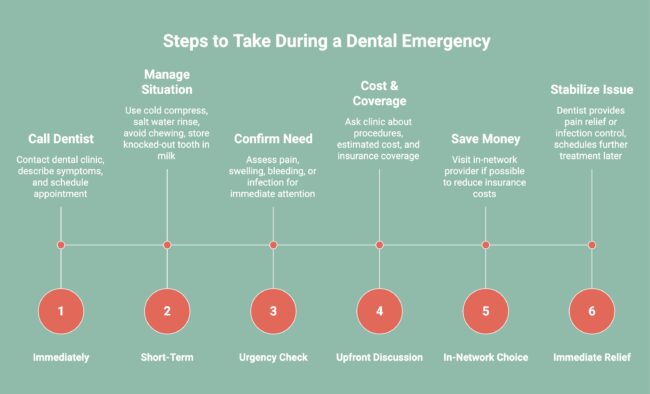
During a dental emergency, you need to act quickly while also making informed decisions about treatment and cost. Here are the key steps to follow:
1. Call a Dentist Immediately
Do not wait to see if the pain improves. Contact a dental clinic as soon as possible and clearly describe your symptoms, such as pain intensity, swelling, bleeding, or trauma. This helps the clinic assess urgency and prioritize your appointment. In many cases, early communication can prevent the condition from worsening.
2. Manage the Situation Short-Term
While arranging care, take simple steps to stabilize the situation. Use a cold compress to reduce swelling, rinse your mouth with warm salt water to limit bacteria, and avoid chewing on the affected side. If a tooth is knocked out, handle it by the crown, rinse gently, and store it in milk or saliva to improve the chances of saving it.
3. Confirm Urgency Before Delaying
It is important to recognize when a situation cannot wait. Severe pain, visible swelling, continuous bleeding, or signs of infection require immediate attention. Delaying treatment in these cases can lead to complications such as spreading infection or the need for more complex procedures.
4. Ask About Cost and Coverage Upfront
Before treatment begins, ask the clinic what procedures are likely required and request an estimated cost. This is also the right time to confirm how your insurance applies. Many people ask is emergency dental covered by insurance, and getting clarity early helps you avoid unexpected expenses.
5. Choose In-Network When Possible
If you have dental insurance, visiting an in-network provider can significantly reduce your costs. Insurance companies negotiate lower rates with these providers, which means you pay less compared to out-of-network clinics for the same treatment.
6. Start with Immediate Relief, Not Full Treatment
In many emergencies, the priority is to relieve pain or control infection. Dentists can often stabilize the issue first and schedule more expensive procedures like crowns or restorations later. This approach gives you time to understand your options and plan financially.
In emergencies, the goal is simple. Get treated quickly, but make informed decisions so you avoid unnecessary costs and complications.
How Can You Reduce Costs During a Dental Emergency?
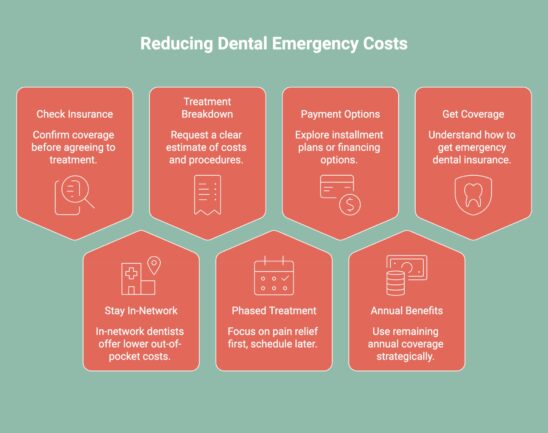
Dental emergencies are stressful, but the financial impact can be managed if you make the right decisions early. Here are practical ways to reduce what you pay:
- Check your insurance before treatment: Confirm what your plan covers before agreeing to any procedure. Many people ask does insurance cover emergency dental work, but coverage depends on your plan details, annual limits, and treatment type.
- Stay within your network: In-network dentists have pre-negotiated rates with your insurer, which usually means lower out-of-pocket costs compared to out-of-network providers.
- Ask for a treatment breakdown: Request a clear estimate of costs and procedures. This helps you understand what is urgent and what can be delayed.
- Consider phased treatment: Focus first on pain relief or infection control. More expensive procedures can often be scheduled later, giving you time to plan financially.
- Explore payment options: Ask about installment plans or financing options offered by the clinic to avoid paying everything up front.
- Use your annual benefits wisely: If you still have coverage left for the year, use it strategically before hitting your annual maximum.
- Look into coverage if you don’t have it: Understanding how to get emergency dental insurance can help you prepare for future emergencies and reduce long-term costs.
Taking a few minutes to review these steps can make a significant difference in both your treatment decisions and total expenses.
If your emergency leads to visible damage or cosmetic concerns later, it’s worth exploring long-term solutions. Learn more about porcelain veneers and how they can restore both function and appearance.
Need Immediate Care? Visit the Dentist Tree of the Heights
When you’re dealing with a dental emergency, you need fast care you can trust. Dentist Tree of the Heights is known for delivering prompt, high-quality treatment in a calm and patient-focused environment, helping you get relief without added stress.
Our team is equipped to handle a wide range of urgent dental issues while making sure you clearly understand your treatment and costs before moving forward.
- Same-day emergency appointments for pain, infections, and dental injuries
- Modern technology and advanced care for accurate diagnosis and faster treatment
- Clear, upfront communication so you know your options and costs
- Comfort-focused experience designed to reduce anxiety during urgent visits
- Comprehensive services, including preventive, cosmetic, and restorative care
Whether you need immediate relief or ongoing treatment after an emergency, Dentist Tree of the Heights offers reliable care that prioritizes both your health and your experience.
Final Words
Dental emergencies test two things at once: how fast you act and how well you’re prepared. The pain is immediate, but the cost and confusion often come from not knowing what your insurance actually covers.
The goal is not just to get treatment. It is to make the right decisions quickly. When you understand your coverage, choose the right provider, and act early, you reduce both risk and cost.
The takeaway is simple. Do not wait until something goes wrong. Know your plan, know your options, and you will handle emergencies with clarity instead of stress.
Frequently Asked Questions
Does dental insurance cover an emergency dentist?
Yes, most dental plans include emergency dentistry under basic or major services. Insurance coverage depends on your type of insurance plan, dental coverage limits, and exclusions. Emergency treatments for dental pain or infection are usually partially covered.
Will my medical insurance cover a dental emergency if I don’t have dental insurance?
Health insurance may cover a dental emergency only if it’s linked to a medical condition, like severe infection or trauma. Most routine dental care and emergency treatments are excluded, requiring out-of-pocket payment or financing like CareCredit.
Does emergency dental take insurance while I’m pregnant?
Yes, most emergency dental clinics accept insurance during pregnancy. Coverage depends on your dental plan and provider, but treating dental pain or infection is considered safe and important for both maternal health and oral health.
Can diabetics get help with dental treatment?
Yes, diabetics can and should receive dental care. Managing oral health is important because diabetes increases the risk of infection and gum disease. Dentists may adjust treatment based on your condition and blood sugar control.
What do I do if I have a dental emergency and no dentist?
Visit an emergency dental clinic or urgent care center immediately. Explain your symptoms and get prompt care. You can also search nearby providers online or call local clinics to find the quickest available appointment.
How do I fix my teeth if I don’t have money?
Look for low-cost dental clinics, community health centers, or dental schools offering reduced-cost care. Many providers also offer payment plans or financing options, helping you manage urgent treatment without paying everything up front.
Can you get dental insurance immediately?
Some dental plans offer immediate coverage for basic services, but most have waiting periods for major treatments. You can also consider dental discount plans for instant savings, though they are not traditional insurance.
Does dental insurance cover after-hours or weekend emergency dental visits?
Yes, many dental plans cover emergency visits after hours or on weekends. However, coverage depends on your plan, network provider, and treatment type. Out-of-network or urgent visits may result in higher out-of-pocket costs.