

Key Highlights
- Veneers cost in the US typically range from $250 to $2,500 per tooth, depending on material and complexity
- Porcelain veneers cost more but last longer and offer a more natural appearance
- Composite veneers cost less upfront but may require more frequent replacements
- Treating two front teeth is more affordable than a full smile makeover
- Dentist expertise, location, and prep work significantly impact total cost
- Insurance typically does not cover veneers since they are considered cosmetic, though some plans may offer partial coverage if deemed medically necessary.
- Payment plans and consultations help make veneers more accessible
If you have ever looked into veneers, you have probably seen prices ranging from a few hundred to several thousand dollars per tooth and wondered what is actually accurate. That confusion alone stops many people from moving forward, especially when you are trying to fix visible issues like chipped front teeth, discoloration, or uneven edges without overspending.
The reality is that the cost is not a single number. It changes based on the material you choose, how many teeth are involved, the dentist’s expertise, and the complexity of your case. Without a clear breakdown, it is easy to feel unsure about what you should expect to pay or whether the investment is worth it.
This guide explains the cost of dental veneers in clear terms. You will learn average pricing, the difference between porcelain and composite veneers, what affects the final cost, and how to choose the right option for your smile and budget.
What Are Dental Veneers and What Benefits Do They Offer?
Dental veneers are thin, custom-made shells bonded to the front of teeth to improve their appearance. They are designed to enhance colour, shape, and alignment while maintaining a natural look, usually with minimal tooth preparation.
Rather than treating individual concerns separately, veneers provide a combined solution. They are commonly used to correct:
- Discoloration that does not respond to whitening
- Chipped or worn edges
- Small gaps between teeth
- Mild alignment issues
- Uneven shapes or sizes
Beyond correcting visible issues, veneers offer specific advantages that make them a preferred cosmetic treatment:
- Complete smile correction in one treatment: Multiple concerns can be addressed at once without combining different procedures
- Natural-looking results: Porcelain veneers mimic the translucency and texture of real enamel, helping them blend seamlessly
- Resistance to staining: They maintain their color over time, reducing the need for repeated whitening
- Surface protection: Veneers add a protective layer over slightly worn or weakened enamel
- Long-term stability: With proper care, they maintain their appearance and function for many years
By combining aesthetic improvement with durability, veneers offer a practical way to achieve a balanced, consistent smile without extensive dental work.
How Much Do Veneers Cost in the US?
The cost of dental veneers in the US varies based on material, number of teeth treated, and overall treatment complexity. While pricing is usually calculated per tooth, total costs increase significantly for full smile treatments.
Note: Prices listed below reflect US averages and can vary widely by location, provider expertise, and clinic setup. Costs in other countries or through dental tourism may differ significantly.
On a per-tooth basis:
- Porcelain veneers: $1,000 and $2,500 per tooth
- Composite veneers: $250 and $1,500 per tooth
Porcelain veneers are more expensive due to lab fabrication, durability, and natural aesthetics. Composite veneers are more affordable and completed in a single visit but may require more maintenance over time.
For patients considering multiple veneers, total treatment costs typically fall within these ranges:
- Six to ten teeth (smile zone):
- Porcelain: $8,000 to $20,000
- Composite: $2,000 to $12,000
For smaller treatments, such as correcting two front teeth, costs scale accordingly based on material choice and design complexity. Overall, the best way to estimate your cost is to consider both the number of veneers needed and the type of material, rather than looking at isolated price points.
Not sure whether veneers or implants are right for you? Compare both options to understand costs, benefits, and which treatment best fits your smile goals.
What Factors Influence the Cost of Dental Veneers?
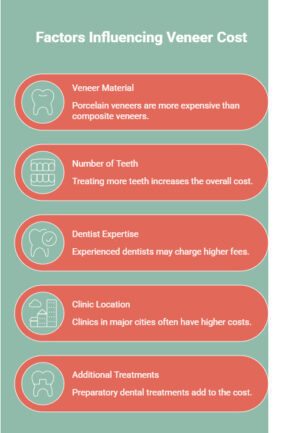
The cost of dental veneers can vary significantly based on a few key elements related to materials, treatment scope, and clinical expertise. Understanding these factors helps you set realistic expectations and evaluate quotes more confidently during your consultation.
1. Type of Veneer Material
The material you choose has a direct impact on overall cost. Porcelain veneers are typically more expensive due to their durability, stain resistance, and natural appearance. Composite veneers are more affordable but may require more maintenance over time, affecting long-term value.
2. Number of Teeth Treated
The total number of veneers placed directly affects the final cost. Treating a single tooth is more affordable, while multiple veneers increase the total investment. Most smile enhancements focus on visible teeth, which means costs scale depending on how extensive the treatment plan is.
3. Dentist Expertise and Specialization
A dentist with advanced cosmetic dentistry experience may charge higher fees, reflecting their skill, precision, and ability to deliver natural-looking results. Experienced professionals often use higher-quality labs and techniques, which can improve outcomes and justify the increased treatment cost.
4. Location of the Dental Clinic
Clinic location plays a noticeable role in pricing. Dental practices in major cities or high-demand areas often have higher treatment costs compared to smaller towns. This difference is influenced by operational costs, demand for cosmetic procedures, and access to specialized dental services.
5. Preparatory or Additional Dental Treatments
Before veneers are placed, some patients may require basic dental work such as fillings, gum care, or minor adjustments. These preparatory steps ensure a healthy foundation and proper fit, but they can add to the total treatment cost depending on individual needs.
Understanding these factors gives you a clearer picture of why veneer pricing varies and helps you make a more informed, confident decision about your treatment.
How Do Veneers Compare to Other Cosmetic Dental Treatments in Cost?
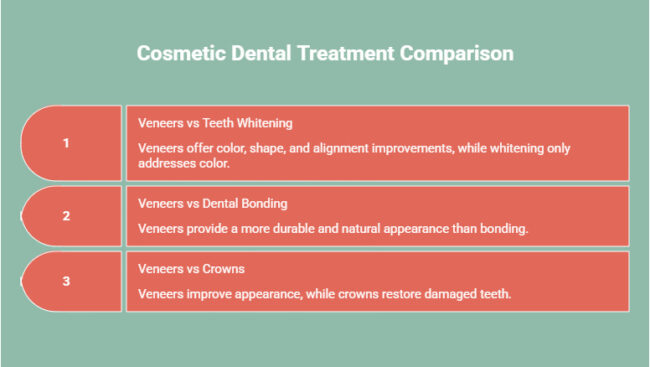
Veneers are often compared with teeth whitening, dental bonding, and crowns when evaluating smile enhancement options. While veneers involve a higher upfront cost, they address multiple concerns at once, which changes how their value should be viewed.
Veneers vs Teeth Whitening
Teeth whitening is a cost-effective option for improving surface stains, but it is limited to colour correction and requires ongoing maintenance.
- Cost: Whitening usually costs a few hundred dollars, while veneers range from $250 to $2,500 per tooth
- Results: Whitening improves shade only, whereas veneers adjust colour, shape, and minor alignment
- Longevity: Whitening fades over time, while porcelain veneers can last 10 to 20 years
Whitening works best for mild discoloration. Veneers are more suitable when colour changes alone are not enough.
Veneers vs Dental Bonding
Dental bonding is a lower-cost solution for small cosmetic fixes, but it does not offer the same durability or finish as veneers.
- Cost: Bonding costs around $250 to $1,500 per tooth, making it more affordable than veneers
- Durability: Bonding wears down faster and is more prone to staining
- Finish: Veneers provide a more consistent and natural appearance
Bonding fits minor, short-term corrections. Veneers are used when a more stable and refined result is required.
Veneers vs Crowns
Veneers and crowns differ in purpose, even though their costs can be similar.
- Use case: Veneers improve appearance, while crowns restore damaged teeth
- Coverage: Veneers cover the front surface; crowns cover the entire tooth
- Application: Crowns are used when structural support is needed, not just cosmetic improvement
If your tooth is structurally sound and you only need cosmetic improvement, veneers are the better choice. Crowns are recommended when the tooth requires structural reinforcement.
Veneers cost more than other treatments, but they combine multiple benefits in one procedure, which often reduces the need for additional treatments over time.
Not sure if veneers are the right option for long-term results? Explore screwless dental implants to understand a more stable, long-lasting alternative for restoring your smile.
What Hidden Costs Should You Watch Out For?
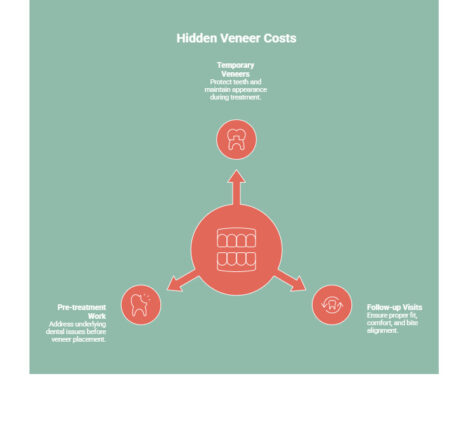
The quoted price for veneers usually covers the core procedure, but not always the full journey. Small add-ons before, during, and after treatment can increase the total cost if they are not clearly outlined upfront.
To plan accurately, it helps to understand where these additional costs may come from and what to confirm during your consultation.
1. Temporary Veneers
Temporary veneers are often placed after tooth preparation and worn until the final veneers are ready. They protect the teeth and maintain appearance during this phase.
- Purpose: Shields protect teeth and preserve your smile between visits
- Cost impact: May add a few hundred dollars if not included in the main package
- What to check: Ask whether temporaries are included in your quoted price
Clarifying this early helps avoid unexpected additions midway through treatment.
2. Follow-up and Adjustments
Veneers require post-placement checks to ensure proper fit, comfort, and bite alignment. These visits are part of achieving a stable final result.
- Initial follow-up: Usually scheduled within one to two weeks after placement
- Adjustments: Minor refinements may be needed for comfort or alignment
- Fees: Basic adjustments are often included, but additional changes may be charged
Understanding what is covered prevents confusion if further visits are needed.
3. Pre-treatment or Additional Dental Work
Veneers are placed on healthy teeth and gums. If any issues are identified, they must be treated first, which can add to the overall cost.
- Common treatments: Fillings, gum therapy, or basic restorative work
- Purpose: Ensures a stable foundation for long-term veneer success
- Cost impact: Varies based on individual oral health condition
These steps are essential, not optional, so factoring them into your budget is important.
A detailed cost breakdown from your dentist is the best way to avoid surprises. Confirm what is included, what may be added later, and how each stage of the treatment is priced before moving forward.
Not sure whether dentures or implants are the right long-term solution? Compare comfort, cost, and durability in detail.
Why Choose Dentist Tree of the Heights for Veneers in Houston?
Choosing veneers is not just about cost. It is about trusting the right team to deliver results that look natural, feel comfortable, and last for years. At Dentist Tree of the Heights, the focus is on personalized care, clear guidance, and outcomes that align with your smile goals.
If you are considering veneers in Houston, the team works closely with you to:
- Evaluate your smile and recommend the right type of veneers
- Provide a transparent cost breakdown with no surprises
- Customize treatment based on your facial features and expectations
- Use modern techniques to ensure natural-looking, long-lasting results
Whether you are fixing chipped front teeth, discoloration, or uneven spacing, veneers offer a targeted way to improve your smile without multiple procedures.
You can explore your options or book a consultation here. Taking the next step starts with understanding what works best for you.
Final Thoughts
Veneers cost is not a fixed number and varies based on material, number of teeth, and treatment complexity. While the upfront cost may seem high, veneers offer long-term value by combining multiple cosmetic improvements in one solution.
Before deciding, compare quotes from different providers, ask about available payment plans, and evaluate long-term durability. Porcelain lasts longer but costs more, while composite is more affordable but may need earlier replacement. A consultation helps align your budget with realistic expectations.
Frequently Asked Questions
How much do dental veneers typically cost per tooth?
Veneer costs usually range from $250 to $2,500 per tooth, depending on the material and dental procedures involved. Custom veneers made in a dental laboratory cost more, but offer better value, durability, and long-term results.
Is there a cost difference between porcelain and composite veneers?
Yes, porcelain veneers cost more due to lab fabrication and durability, while composite veneers are completed in a single appointment. Porcelain is a popular choice for long-term cosmetic treatments, offering better value despite the higher upfront investment.
Are payment plans available for veneers?
Most cosmetic dentists offer flexible payment options to manage this significant investment. During your initial consultation, you can explore dental insurance plans, third-party financing, or partial insurance coverage that may cover a portion of the cost.
How much is a veneer for front teeth?
Front tooth veneers typically cost between $250 and $2,500 per tooth. Since these are highly visible, cosmetic dentists focus on precise veneer placement and colour matching to achieve a natural new smile and noticeable confidence boost.
How much are porcelain veneers?
Porcelain veneers generally range from $900 to $2,500 per tooth. Their cost reflects durability, aesthetics, and fabrication in a dental laboratory. They are a popular choice for patients seeking a complete smile makeover with long-lasting results.
Is paying for a full set of veneers worth it?
For many patients, veneers are worth the significant investment because they address multiple functional issues and cosmetic concerns at once. A complete smile makeover can improve confidence, appearance, and overall satisfaction with your dream smile.
How long do veneers usually last before needing replacement?
Porcelain veneers typically last 10 to 15 years or longer with proper care, while composite veneers usually last 5 to 7 years. Their lifespan depends on oral hygiene, habits like grinding, and regular dental checkups to maintain their condition.