

Key Highlights
- A smile makeover combines cosmetic and restorative dental procedures to improve the appearance and function of the smile.
- Common smile makeover treatments include veneers, whitening, Invisalign, crowns, bonding, gum contouring, and dental implants.
- Smile makeover cost in Houston varies based on treatment complexity, materials, and the number of procedures included.
- Some cosmetic procedures deliver quick results, while treatments like Invisalign and implants require longer timelines.
- A smile makeover consultation includes oral evaluation, digital smile planning, and personalized treatment recommendations.
- Benefits may include improved smile confidence, better bite support, enhanced facial balance, and long-term cosmetic improvements.
- Choosing an experienced cosmetic dentist is essential for achieving natural-looking and long-lasting smile makeover results.
- Dentist Tree of the Heights provides customized smile-makeover treatments tailored to each patient’s goals, comfort, and oral health needs.
Avoiding photos or hiding your smile during conversations often has less to do with vanity and more to do with feeling uncomfortable about stained, uneven, chipped, or missing teeth. These concerns can gradually affect how confidently you speak, laugh, and interact with others.
A smile makeover uses customized cosmetic dentistry treatments to improve the appearance, balance, and symmetry of your smile. Depending on your needs, your dentist may combine veneers, whitening, Invisalign, bonding, crowns, or dental implants to create more natural-looking results.
This guide explains how a smile makeover works, which procedures may be included, how long treatment typically takes, what smile makeover before-and-after results typically look like, and what factors influence the overall cost.
What Is a Smile Makeover?
A smile makeover combines multiple cosmetic and restorative dental procedures to improve the appearance, symmetry, and overall function of your teeth. Instead of treating a single concern, the process focuses on creating a more balanced smile by addressing several aesthetic and dental issues together.
The treatment approach depends on factors such as tooth condition, facial structure, bite alignment, and long-term dental health. Procedures may include veneers, teeth whitening, Invisalign, bonding, crowns, or dental implants, depending on the improvements needed.
Some people choose a smile makeover to enhance stained, uneven, or worn teeth, while others require more extensive restoration for damaged, missing, or misaligned teeth. Because every case involves different goals and treatment combinations, the overall process, timeline, and cost can vary considerably.
What Dental Problems Can a Smile Makeover Fix?
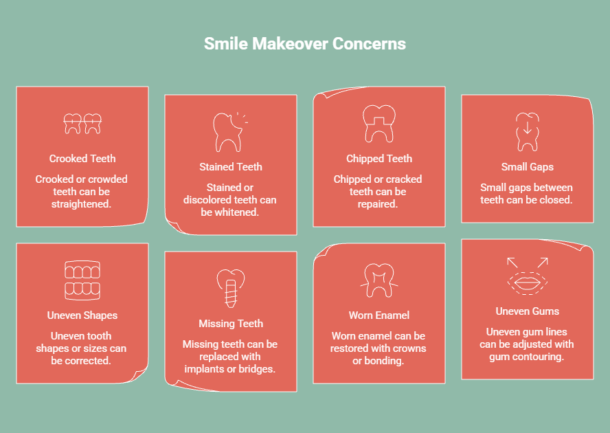
A smile makeover can address multiple cosmetic and functional dental concerns simultaneously, helping improve both the appearance and overall balance of your smile. Instead of correcting one issue in isolation, treatments are combined to create more natural-looking and longer-lasting results.
Common concerns treated during a smile makeover include:
- Crooked or crowded teeth
- Stained or discolored teeth
- Chipped or cracked teeth
- Small gaps between teeth
- Uneven tooth shapes or sizes
- Missing teeth
- Worn enamel
- Uneven gum lines
Some patients mainly want cosmetic improvements, while others require restorative work to rebuild damaged or unstable teeth. Depending on the severity of the concerns, treatment combinations may also help improve bite alignment, tooth support, and overall dental function alongside aesthetic changes.
Who Is a Good Candidate for a Complete Smile Makeover?
A complete smile makeover may be suitable for people who feel self-conscious about several aspects of their smile or want a more noticeable overall transformation. Many patients choose this approach when visible dental concerns begin affecting confidence in social situations, professional settings, or everyday interactions.
People often consider smile makeover treatment when they want to:
- Improve the appearance of ageing or worn teeth
- Restore confidence after years of dental damage or restorations
- Repair chipped, uneven, or heavily worn teeth
- Close gaps or improve overall smile balance
- Replace older dental work with a more natural appearance
- Achieve a more consistent and refreshed smile
Before treatment begins, your dentist will assess your oral health, bite condition, and existing dental work to determine which procedures are appropriate. In some cases, restorative treatment may be needed first to create a healthier foundation before cosmetic improvements can begin.
Patients considering restorative options can also explore the best-rated dental implant clinics in Houston, TX, for additional treatment insights.
What Procedures Are Included in a Cosmetic Smile Makeover?
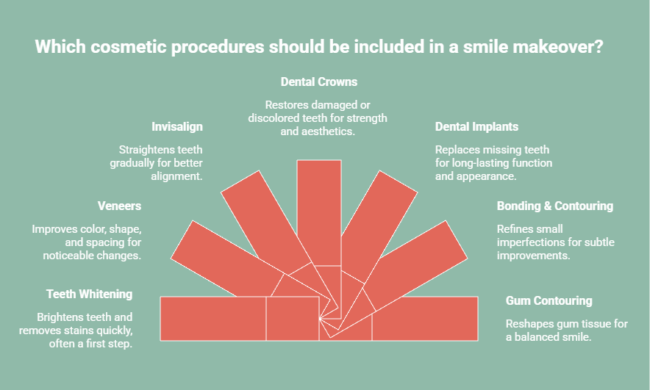
A cosmetic smile makeover combines different dental treatments to improve tooth color, shape, spacing, and overall smile appearance. Instead of relying on a single procedure, dentists select treatments based on your oral health, cosmetic priorities, and the level of correction required.
Some people only need whitening and bonding for smaller cosmetic changes, while others may require veneers, crowns, Invisalign, or dental implants to restore both aesthetics and function. Because treatment combinations vary, the overall timeline, maintenance needs, and cost can differ significantly from one patient to another.
1. Teeth Whitening
Professional teeth whitening helps remove deep stains and brighten teeth more evenly than most over-the-counter products. It is often one of the first procedures included in a smile makeover because it can quickly improve the appearance of dull or discolored teeth.
- Removes stains caused by coffee, tea, smoking, and aging
- Brightens enamel more evenly than OTC whitening products
- Commonly completed faster than orthodontic or restorative treatments
- May include custom trays for long-term maintenance
- Temporary tooth sensitivity can occur after treatment
With proper care and regular dental cleanings, whitening results can last much longer while keeping your smile looking fresh and vibrant. Learn more about the benefits and process of professional teeth whitening treatments.
2. Veneers
Veneers are thin porcelain or composite shells placed over the front surface of teeth to improve colour, shape, spacing, and overall smile appearance. They are commonly chosen for patients seeking more noticeable cosmetic changes across multiple teeth.
- Commonly used for chips, cracks, gaps, and uneven teeth
- Porcelain veneers closely resemble natural enamel
- Resistant to many common food and drink stains
- Can improve smile uniformity and tooth proportions
- Usually requires minor enamel preparation before placement
- Often lasts many years with proper maintenance
Because veneers reshape the visible surfaces of teeth, they are often chosen by patients seeking a more dramatic smile transformation with long-lasting cosmetic results. You can also explore the differences between veneers vs crowns when considering the right cosmetic treatment for your smile.
3. Invisalign or Clear Aligners
Invisalign and clear aligners gradually move teeth into better alignment using a series of custom transparent trays. They are frequently included in smile makeovers when spacing, crowding, or mild bite issues affect smile balance.
- Uses nearly invisible trays to straighten teeth gradually
- Removable design supports easier brushing and eating
- Helps improve spacing, crowding, and mild bite concerns
- Treatment timelines often vary based on alignment severity
- Requires consistent daily wear for effective results
- May reduce the need for cosmetic reshaping later
Straightening teeth with clear aligners can improve smile symmetry while creating healthier spacing that is easier to maintain long-term, and patients can also explore how Invisalign works step by step before starting treatment.
4. Dental Crowns
Dental crowns restore teeth that are weakened, damaged, worn down, or severely discolored. Unlike veneers, which cover only the front surface, crowns fully cover the tooth to improve both appearance and structural support.
- Commonly used for cracked, broken, or heavily restored teeth
- Helps strengthen teeth weakened by decay or large fillings
- Improves tooth shape, size, color, and overall symmetry
- Porcelain crowns are designed to blend naturally with surrounding teeth
- Restores normal chewing function while enhancing smile aesthetics
- Often included in complete smile makeover treatments for long-term durability
Modern dental crowns are customized to match your natural smile, helping damaged teeth look healthier, stronger, and more balanced, and patients can also learn whether dental crowns can be whitened before cosmetic treatment.
5. Dental Implants
Dental implants replace missing teeth using a titanium post that functions like an artificial tooth root. Once healed, a custom crown is attached to restore the appearance, strength, and function of the missing tooth.
- Replaces missing teeth with a stable and long-lasting solution
- Helps prevent jawbone loss caused by missing teeth
- Restores chewing ability and overall bite function
- Designed to look and feel similar to natural teeth
- Prevents neighboring teeth from shifting into empty spaces
- Supports overall smile balance and facial structure
Because implants integrate directly with the jawbone, they are considered one of the most durable and natural-looking tooth replacement options in cosmetic dentistry, and patients can also compare dental implants vs veneers when exploring smile restoration treatments.
6. Bonding and Tooth Contouring
Bonding and tooth contouring improve small cosmetic imperfections without extensive dental work. These conservative treatments are often used to refine the shape and symmetry of teeth during a cosmetic smile makeover.
- Dental bonding repairs chips, cracks, small gaps, and uneven edges
- Uses tooth-colored composite resin to blend naturally with enamel
- Tooth contouring reshapes minor irregularities by smoothing the enamel
- Helps create more even tooth proportions and smile symmetry
- Usually completed in a single dental visit
- Requires minimal preparation compared to veneers or crowns
Although the changes are often subtle, bonding and contouring can significantly improve the overall appearance of a smile with quick and minimally invasive treatment.
7. Gum Contouring
Gum contouring reshapes excess or uneven gum tissue to create a more balanced and symmetrical smile. It is commonly recommended for patients whose teeth appear too short or uneven because of a “gummy smile.”
- Removes excess gum tissue to reveal more of the natural tooth surface
- Creates a cleaner and more proportionate gum line
- Helps improve overall smile symmetry and balance
- Often performed using laser technology for greater precision
- Typically involves minimal discomfort and faster healing
- Frequently combined with veneers, crowns, or whitening treatments
Even small adjustments to the gum line can dramatically enhance the overall appearance of your smile and make cosmetic treatments look more natural.
Whether you want subtle improvements or a complete smile transformation, the right combination of cosmetic procedures can create a healthier, more balanced, and more confident smile tailored specifically to you.
What Should You Expect During a Smile Makeover Consultation?
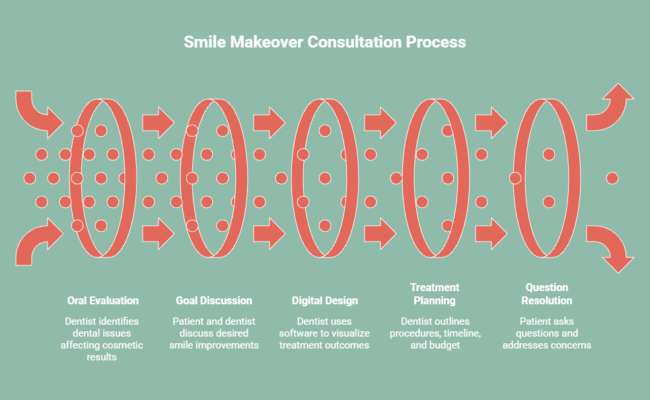
A smile makeover consultation helps your dentist assess your oral health, discuss your cosmetic concerns, and determine which treatments may be appropriate for your smile goals. The appointment also gives you the opportunity to understand potential costs, treatment stages, maintenance expectations, and whether certain procedures should be prioritized before others.
For many patients, the consultation is also where concerns about discomfort, treatment length, or affordability are addressed. Understanding the process early can help reduce uncertainty and make cosmetic treatment feel more manageable.
1. Comprehensive Oral and Smile Evaluation
Your dentist will examine your teeth, gums, bite alignment, and any existing dental work to identify problems that could affect cosmetic results long-term. Conditions such as cavities, gum disease, enamel wear, or bite instability may need treatment before cosmetic procedures begin.
The dentist will also assess smile appearance, including tooth color, spacing, proportions, and facial balance, to determine which treatments may produce the most natural-looking improvements.
2. Discussion About Cosmetic Goals and Priorities
During the consultation, you will discuss what aspects of your smile you want to improve and which concerns matter most to you. Some patients prioritize whitening and symmetry, while others focus on damaged teeth, missing teeth, or older restorations.
This conversation helps the dentist recommend procedures that align with your goals while also prioritizing treatments based on oral health needs, budget limitations, and treatment complexity.
3. Digital Smile Design and Treatment Visualization
Many cosmetic dentists use digital scans, photographs, or smile design software to preview possible treatment outcomes before procedures begin. These tools can help patients visualize changes in tooth shape, spacing, and overall smile appearance more clearly.
Some clinics may also provide temporary mock-ups or before-and-after examples to explain what different cosmetic procedures can realistically achieve.
4. Treatment Timeline, Budget, and Procedure Planning
After the evaluation, your dentist will explain which procedures are recommended, the order they may need to be completed in, and how long the overall process could take. Simpler cosmetic changes may require only a few visits, while more complex treatment combinations can take several months.
This stage also allows patients to discuss pricing, financing options, maintenance requirements, and whether treatment can be completed gradually in phases rather than all at once.
5. Questions, Concerns, and Next Steps
The consultation is also an opportunity to ask questions about recovery, discomfort, long-term maintenance, and expected results. Many patients use this stage to better understand how different procedures compare before making a final treatment decision.
Clear communication during the consultation helps ensure treatment expectations, costs, and cosmetic goals are fully understood before the smile makeover process begins.
How Much Does a Smile Makeover Cost in Houston?
Smile makeover cost in Houston depends on the procedures included in your treatment plan. Minor cosmetic improvements like whitening or bonding cost far less than full smile makeovers involving veneers, Invisalign, crowns, or dental implants. The final price varies based on treatment complexity, materials, and the number of teeth being treated.
1. What Factors Affect Smile Makeover Cost?
Several factors influence the total cost of a smile makeover, including:
- Number of procedures included
- Type of cosmetic or restorative treatment
- Number of teeth being treated
- Materials used for veneers, crowns, or implants
- Treatment complexity
- Dentist’s experience and technology used
More advanced cases involving orthodontics or dental implants typically increase the overall cost.
2. What Is the Average Smile Makeover Cost in Houston?
Average smile makeover procedure costs may include:
- Clear aligners: approximately $5,108
- Dental bonding: around $431 per tooth
- Dental crowns: approximately $1,399 per tooth
- Dental implants: around $2,695 per tooth
- Gum lift or gum contouring: approximately $129 per tooth
- Porcelain veneers: around $1,765 per tooth
- Teeth contouring: approximately $215 per tooth
- Professional teeth whitening: around $583
Disclaimer: Prices vary depending on treatment complexity, materials, and your dentist’s expertise.
Understanding your coverage and financing options can help make cosmetic treatment more manageable. You can also learn more about using dental insurance for major dental treatments and related procedures.
What Should You Expect Before and After a Smile Makeover?
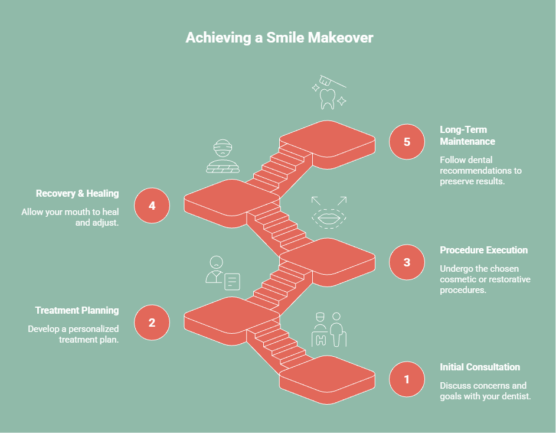
A smile makeover can improve concerns such as worn teeth, discoloration, uneven spacing, chips, or missing teeth while also changing the overall appearance and balance of your smile. Depending on the procedures involved, results may range from small cosmetic refinements to more noticeable restorative changes.
The overall experience varies based on treatment complexity, healing time, and the condition of your teeth before treatment begins. Understanding what happens before, during, and after the process can help patients set more realistic expectations about results and maintenance.
1. Smile Makeover Before and After Changes
Smile makeover results depend on the procedures included in your treatment plan and the condition of your teeth beforehand. Some people focus on whitening and cosmetic improvements, while others require restorative work involving crowns, implants, or orthodontic treatment.
Common improvements may include:
- Brighter and more uniform-looking teeth
- Straighter alignment and reduced spacing issues
- Improved tooth shape and proportions
- Restoration of damaged or missing teeth
- Better smile balance and facial harmony
When reviewing before-and-after galleries, it is important to look for cases with similar dental concerns, treatment goals, and facial features rather than focusing only on dramatic transformations.
2. Recovery and Healing Expectations
Recovery time depends on which cosmetic or restorative procedures are performed. Whitening, bonding, and contouring generally involve minimal downtime, while implants, gum contouring, or orthodontic treatment may require a longer adjustment and healing period.
Patients can temporarily experience:
- Mild tooth sensitivity after whitening or veneers
- Minor gum tenderness or swelling
- Temporary speech or bite adjustment with aligners or restorations
- Mild discomfort following surgical procedures, such as implants
Most symptoms improve gradually as the mouth adjusts and healing progresses.
3. Long-Term Maintenance After Treatment
Smile makeover results require ongoing maintenance to preserve both appearance and function over time. The type of aftercare needed often depends on the procedures completed during treatment.
Dentists may recommend:
- Regular brushing and flossing to protect restorations
- Wearing a nightguard after veneers or crowns if teeth grinding occurs
- Avoiding excessive staining foods and smoking after whitening
- Attending routine dental cleanings and follow-up visits
- Replacing or maintaining restorations periodically as they age
Different cosmetic procedures have different lifespans, so long-term maintenance plays an important role in preserving smile makeover results for many years.
How Long Does a Full Smile Makeover Take?
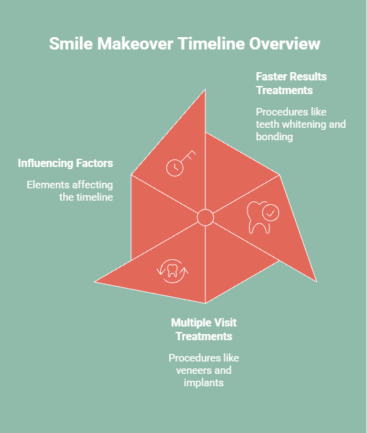
The timeline for a full smile makeover depends on the procedures included in your treatment plan. Some cosmetic treatments can be completed in a single visit, while others require multiple appointments, healing time, or gradual tooth movement over several months.
Your dentist will outline a personalized treatment timeline during your consultation based on your cosmetic goals, oral health, and the complexity of the procedures involved.
1. Treatments That Deliver Faster Results
Some cosmetic procedures provide noticeable smile improvements with little to no downtime, making them ideal for patients looking for quicker results.
Treatments that can often be completed quickly include:
- Professional teeth whitening
- Dental bonding
- Tooth contouring
- Gum contouring
Many of these procedures can be completed in one or two appointments, depending on the extent of cosmetic changes needed.
2. Treatments That Require Multiple Visits
More advanced smile makeover procedures usually require multiple appointments because of treatment planning, custom restorations, or healing time between stages.
Procedures that typically take longer include:
- Porcelain veneers
- Dental crowns
- Invisalign or clear aligners
- Dental implants
- Full-mouth restorative treatments
Orthodontic treatment and dental implants generally involve the longest timelines because teeth and bone need time to gradually adjust and heal.
3. What Factors Affect Smile Makeover Timeline?
Several factors influence how long a smile makeover takes from start to finish.
Treatment timelines are commonly affected by:
- The number of procedures included
- Complexity of cosmetic or restorative treatment
- Existing oral health issues
- Healing time between procedures
- Orthodontic treatment duration
- Number of teeth being treated
Patients combining multiple cosmetic and restorative procedures should expect a longer overall timeline compared to minor cosmetic enhancements alone.
What Are the Benefits of a Smile Makeover?
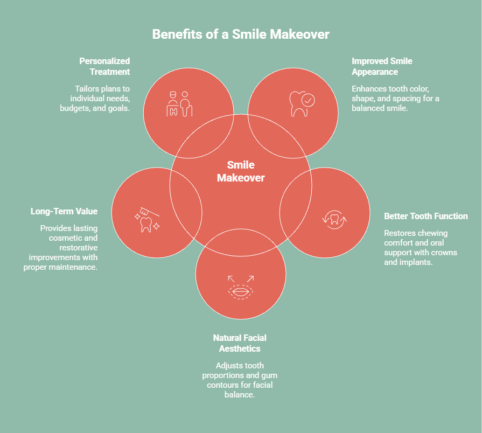
A smile makeover can improve more than just the appearance of your teeth. By combining cosmetic and restorative procedures, treatment may help enhance smile confidence, restore damaged teeth, improve oral function, and create a healthier overall appearance that feels more comfortable in daily life.
For many patients, the benefits extend beyond aesthetics alone. Improvements in tooth condition, smile appearance, and bite function can positively affect confidence during conversations, work interactions, public speaking, and photographs.
1. Improved Smile Appearance and Confidence
One of the most noticeable benefits of a smile makeover is a more refreshed and balanced smile appearance. Treatments such as whitening, veneers, bonding, and orthodontics can improve tooth colour, shape, spacing, and overall smile harmony.
Many patients feel more confident smiling in photos, speaking socially, or attending professional events after addressing cosmetic concerns that previously made them feel self-conscious.
2. Better Tooth Function and Daily Comfort
Some smile makeover procedures also improve how teeth function, particularly when crowns, implants, or orthodontic treatments are involved. Restoring damaged or missing teeth can help improve chewing comfort, bite stability, and overall oral support.
Correcting spacing or alignment issues may also make brushing and flossing easier, helping reduce long-term oral health complications.
3. More Natural and Balanced Facial Aesthetics
A smile makeover can improve overall facial balance by adjusting tooth proportions, gum contours, and smile symmetry. Small cosmetic changes often work together to create a more proportionate appearance without making the smile look artificial or overly uniform.
Procedures are typically customized around facial structure, existing tooth shape, and personal preferences to create results that look more natural.
4. Long-Term Cosmetic and Restorative Value
Many cosmetic and restorative treatments included in a smile makeover are designed to provide long-lasting improvements when properly maintained. Veneers, crowns, implants, and orthodontic corrections can continue supporting both appearance and function for many years.
Although maintenance and occasional replacement may still be necessary, combining treatments strategically can often reduce the need for repeated short-term cosmetic fixes later.
5. Personalized Treatment for Different Smile Goals
Every smile makeover is tailored to the individual rather than following a standard cosmetic plan. Some patients want subtle whitening and refinement, while others require more extensive restoration involving damaged or missing teeth.
This flexibility allows treatment plans to address both emotional concerns and functional priorities while adapting to different budgets, timelines, and long-term expectations.
How Do You Choose the Right Smile Makeover Dentist in Houston?
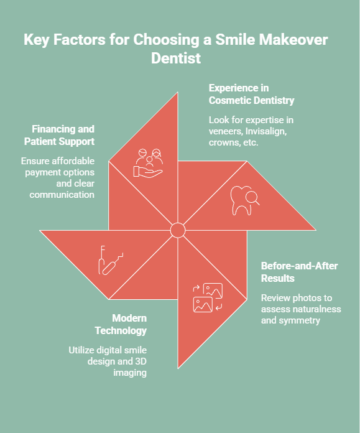
Choosing the right smile makeover dentist is one of the most important parts of achieving natural-looking and long-lasting results. Cosmetic dentistry involves more than improving appearance alone. It requires careful treatment planning, attention to facial balance, and experience with multiple cosmetic and restorative procedures.
1. Experience in Cosmetic Dentistry
When researching a smile makeover dentist, look for experience in treatments such as veneers, Invisalign, crowns, bonding, and dental implants. An experienced cosmetic dentist understands how to combine procedures to improve smile symmetry while maintaining a natural appearance. Reviewing cosmetic training, certifications, and years of experience can also help you evaluate their expertise.
2. Before-and-After Smile Results
Before-and-after photos provide a clearer idea of the results a dentist regularly achieves. Pay attention to how natural the smiles look, the overall symmetry, and whether the cosmetic work complements the patient’s facial features. Reviewing similar cases can also help you understand what may be possible for your own smile makeover.
3. Modern Technology and Smile Planning
Modern cosmetic dentistry technology helps improve accuracy, treatment planning, and patient communication. Many dentists use digital smile design, 3D imaging, and digital scans to plan procedures more precisely and preview potential smile makeover results before treatment begins. These tools can help patients feel more confident about the expected outcome.
4. Financing and Patient Support
Because smile makeovers can involve multiple procedures, financing options and patient support are important when choosing a dental office. Many cosmetic dentists offer monthly payment plans, third-party financing, and insurance guidance to help patients better manage treatment costs. A supportive team should also take the time to clearly explain procedures, timelines, and long-term care recommendations during the consultation process.
Choosing an experienced cosmetic dentist with the right technology, treatment approach, and patient support can make a significant difference in achieving smile makeover results that look natural, balanced, and long-lasting.
Why Choose Dentist Tree for a Cosmetic Smile Makeover in Houston?
A smile makeover is more than improving how your teeth look. It’s about creating results that feel natural, function comfortably, and fit your long-term oral health goals. Choosing the right cosmetic dentist plays a major role in the quality and longevity of your results.
At Dentist Tree of the Heights, treatment begins with understanding what you want to change about your smile and building a personalized plan around your goals, comfort, and budget. Whether you want subtle cosmetic improvements or a complete smile transformation, the focus stays on creating a balanced smile.
What Makes Dentist Tree Different?
- Personalized smile makeover treatment plans
- Advanced cosmetic and digital smile design technology
- Comprehensive care, including veneers, Invisalign, crowns, whitening, and implants
- Natural-looking smile transformations tailored to facial features
- Focus on both aesthetics and long-term oral health
- Clear communication about treatment timelines and smile makeover cost
- Flexible financing and patient-focused support
From consultation to final results, the goal is to help patients achieve a healthier, more confident smile with cosmetic treatments designed specifically for their needs. Ready to transform your smile? Schedule your smile makeover consultation with Dentist Tree of the Heights today.
Conclusion
A smile makeover can correct multiple cosmetic concerns at once while improving both the appearance and function of your teeth. Whether you want brighter teeth, straighter teeth, repaired damage, or a complete smile transformation, the right treatment plan can deliver natural-looking, long-lasting results.
Because every smile is different, the first step is choosing an experienced cosmetic dentist who can recommend procedures based on your goals, oral health, and budget. At Dentist Tree of the Heights, patients receive personalized smile makeover plans designed to improve confidence, comfort, and overall smile balance.
Frequently Asked Questions
How long does it take to complete a smile makeover?
A smile makeover timeline varies by treatment. Procedures like whitening or bonding may take one visit, while Invisalign, veneers, or dental implants can require several months to complete.
Will my dental insurance cover the cost of a smile makeover?
Most dental insurance plans do not cover purely cosmetic smile makeover procedures like veneers, whitening, or bonding. However, treatments with restorative benefits, such as crowns or dental implants, may receive partial coverage depending on your plan.
Can you explain the difference in smile makeover costs between different cities or states?
Smile makeover costs vary by city and state due to differences in living costs, dentist expertise, office overhead, and demand for cosmetic dentistry. Larger cities usually have higher treatment costs than smaller towns or suburban areas.
What are some benefits of getting a smile makeover besides aesthetic improvement?
Beyond cosmetic improvements, a smile makeover can improve bite alignment, chewing comfort, tooth stability, oral hygiene, and overall dental function. Some treatments also help reduce uneven tooth wear and support long-term oral health.
Are there any risks or side effects associated with the procedures in a smile makeover?
Most smile makeover procedures are safe, but some patients may experience temporary tooth sensitivity, mild discomfort, gum irritation, or slight swelling depending on the treatments included in their cosmetic treatment plan.
Is the cost of a smile makeover covered by dental insurance, or is it usually out-of-pocket?
Most smile makeover treatments are considered cosmetic, so they are usually paid out-of-pocket. However, procedures with restorative benefits, such as crowns or implants, may receive partial dental insurance coverage depending on your policy.
How much does a typical smile makeover cost, and what factors influence the price?
A typical smile makeover can cost anywhere from a few thousand to tens of thousands of pounds, depending on the procedures involved. The price is influenced by the treatments chosen, case complexity, materials used, the dentist’s experience, and the number of teeth being treated.