

Key Highlights
- Dental veneers are thin shells placed over the front surface of teeth to enhance the appearance of a smile.
- In cosmetic dentistry, dental veneers help correct discoloration, chipped teeth, small gaps, and uneven shapes.
- Porcelain veneers and resin veneers are the two most common materials used for tooth veneers.
- The veneers process involves consultation, tooth preparation, impressions, and final bonding.
- Dental veneers create a natural-looking smile transformation while maintaining tooth function.
- Healthy teeth and gums are important before receiving cosmetic dentistry veneers.
- Proper care and regular dental visits help dental veneers last many years.
Your smile is often the first thing people notice, yet small imperfections like stains, chips, or uneven teeth can quietly hold you back. Over time, these concerns are not just cosmetic; they start affecting how confidently you speak, laugh, and show up in everyday situations.
Dental veneers offer a precise and efficient way to correct these issues in one treatment. Instead of addressing problems one by one, veneers reshape, brighten, and align your teeth together, delivering a complete smile upgrade with predictable results.
If you are actively researching cosmetic dentistry options, this guide will help you understand how veneers work, what the process looks like, and whether this treatment aligns with your expectations and long-term goals.
What Are Dental Veneers?
Dental veneers are thin custom shells placed on the front surface of your teeth to improve your smile. In veneers in dentistry, these shells are bonded to the tooth to enhance color, shape, and overall symmetry.
Veneers are typically applied to the front teeth, which are most visible when you smile or speak. By covering the front of your teeth, veneers help create a more uniform and balanced look while preserving the function of your teeth.
Dental veneers are usually made from porcelain or composite materials, both designed to resemble natural tooth enamel. These materials allow veneers to blend naturally with surrounding teeth. Many patients choose dental veneers as part of a smile makeover to correct dental imperfections such as stains, small chips, uneven edges, or minor spacing issues.
Why Are Dental Veneers Used in Cosmetic Dentistry?
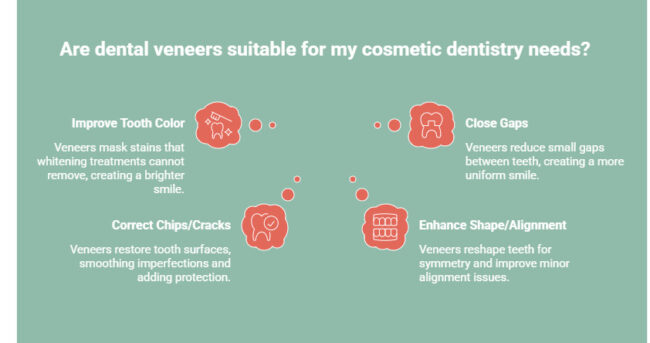
Cosmetic dentistry procedures aim to improve the appearance of your teeth while preserving their natural structure and function. Dental veneers are often recommended because they can correct several visible dental imperfections at once. By covering the front surface of your teeth, veneers enhance your smile while preserving normal function.
1. Improving Tooth Color and Brightness
Some types of discoloration do not respond to whitening treatments. Stains caused by medication, aging, or enamel wear often remain even after professional cleaning. Veneers provide a consistent, long-lasting solution by masking these stains entirely. Instead of trying to lighten each tooth, veneers create a uniform shade across all visible teeth, resulting in a brighter and more balanced smile.
2. Correcting Minor Chips or Cracks
Small chips or cracks may seem minor, but they can disrupt the overall appearance of your teeth and draw attention when you smile or speak. Veneers restore the outer surface of the tooth, helping recreate a smooth, natural contour that blends with surrounding teeth. They also add a layer of protection to the affected area, reducing the risk of further wear.
3. Enhancing Tooth Shape and Alignment
Teeth that vary in size or shape can make a smile look uneven. Veneers allow dentists to reshape visible teeth and improve overall symmetry without invasive procedures.
They are often used to:
- Adjust tooth proportions for a more balanced look
- Refine uneven edges or contours
- Improve minor cosmetic alignment issues without orthodontics
This makes veneers a practical option for patients looking for visible improvements without long treatment timelines.
4. Closing Small Gaps Between Teeth
Small gaps between teeth can affect how uniform your smile appears. While braces or aligners are typically used for alignment, veneers can offer a faster cosmetic alternative for minor spacing concerns. By slightly increasing the width of targeted teeth, veneers reduce visible gaps and create a more even arrangement. This approach works best when the spacing issue is mild and primarily aesthetic.
Because veneers can address several cosmetic concerns at once, they are often used as part of a smile makeover for patients seeking noticeable improvements through a single dental treatment.
Considering tooth replacement options? Learn the key differences between dentures and implants, including comfort, durability, and long-term benefits, to decide which solution may be right for your smile.
What Are the Benefits of Cosmetic Dentistry Veneers?
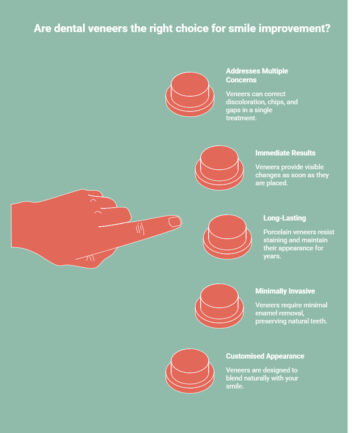
Dental veneers are widely used because they deliver visible, controlled improvements across multiple aspects of a smile. Instead of treating individual concerns separately, veneers provide a comprehensive cosmetic solution with predictable and lasting results.
1. Addresses Multiple Cosmetic Concerns at Once
Veneers are designed to correct several issues in a single treatment, including discoloration, chips, uneven edges, and minor gaps.
This reduces the need for multiple procedures and allows patients to achieve a complete smile improvement without extended treatment timelines.
2. Immediate and Noticeable Results
Unlike treatments that take weeks or months, veneers deliver visible changes as soon as they are placed.
Patients typically notice:
- Brighter and more uniform tooth color
- Improved shape and proportions
- A more refined and balanced smile
This makes veneers a strong option for those seeking fast, reliable results.
3. Long-Lasting and Stain-Resistant
Porcelain veneers are built to maintain their appearance over time. They resist staining from coffee, tea, and other common causes of discoloration.
With proper care, veneers:
- Retain their color and finish for years
- Require minimal maintenance compared to other cosmetic treatments
- Offer consistent aesthetic results over time
4. Minimally Invasive Compared to Other Options
Veneers require only a small amount of enamel removal, making them less invasive than crowns or orthodontic procedures.
They improve appearance without significantly altering the natural structure of your teeth, which helps preserve long-term dental health.
5. Customised for Natural-Looking Results
Each veneer is designed based on your tooth structure, facial features, and smile goals.
This level of customization ensures:
- A natural appearance that blends with surrounding teeth
- Proper fit and alignment
- A result that enhances your overall facial aesthetics, not just individual teeth
Ready to improve the appearance of your smile? Schedule a consultation with the team at Dentist Tree of the Heights to explore whether dental veneers or other cosmetic treatments are the right option for you.
What Types of Tooth Veneers Are Available?
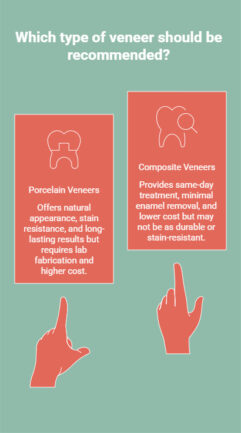
When considering dental veneers, patients typically encounter two main types of veneers used in cosmetic dentistry: porcelain veneers and composite veneers. Each option differs in material, durability, and treatment approach.
1. Porcelain Veneers
Porcelain laminate veneers are thin ceramic shells custom-made to match your natural teeth. After impressions are taken, they are crafted in a dental lab to ensure a precise fit, shape, and colour. Once ready, these veneers are bonded to the front of your teeth, creating a natural-looking and durable finish.
Porcelain veneers are valued for:
• Natural appearance similar to enamel
• Strong resistance to stains
• Long-lasting results
• Precise shaping to improve the shape of your teeth
These qualities make them a common choice for a long-term smile makeover.
2. Composite Veneers
A composite veneer uses tooth colored resin applied directly to the front of your teeth. The dentist sculpts the material during the same appointment, completing the application process in the dentist’s office.
Because they are created directly on the tooth, composite veneers are known as direct veneers.
Composite veneers typically offer:
• Same-day treatment in many cases
• Minimal enamel removal
• Lower initial cost of veneers
• Easier repairs if minor damage occurs
They are often used to correct small cosmetic concerns affecting the appearance of your teeth.
How Do Dentists Choose the Right Veneer Type?
A cosmetic dentist for veneers recommends the appropriate option based on the patient’s condition and goals. Key factors include:
• Desired improvement in your smile
• Whether there is enough enamel for veneer support
• The number of veneers needed
• Budget and long-term expectations
• The patient’s unique needs
The goal is to enhance your smile while preserving your teeth’s function.
Enhance the look of your smile with personalized aesthetic dentistry treatments designed to improve tooth color, shape, and balance. Explore modern cosmetic solutions that help you achieve a natural, confident smile tailored to your goals.
How Do Veneers Work?
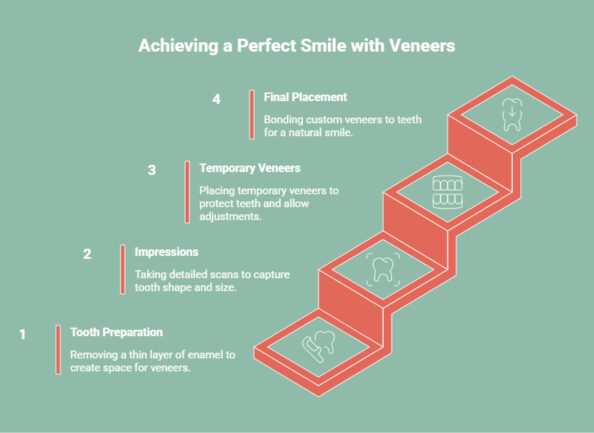
Dental veneers work by covering the visible front surface of your teeth with thin, custom-made shells that improve color, shape, and overall symmetry. Instead of changing the internal structure of your teeth, veneers enhance what is visible, creating a natural and balanced appearance while maintaining normal function.
They are designed to act like an outer layer, blending seamlessly with surrounding teeth so your smile looks consistent without feeling artificial.
1. Tooth Preparation
The process begins with preparing the front surface of your teeth. A thin layer of enamel is gently removed to create space for the veneer so it sits flush and does not feel bulky. This step also ensures a strong bond between the tooth and the veneer. The procedure is controlled and comfortable, and local anesthesia is typically used to minimise sensitivity.
2. Impressions and Custom Design
Once the teeth are prepared, detailed impressions or digital scans are taken. These capture the exact shape, size, and alignment of your teeth. Based on these records, veneers are carefully designed to match your natural tooth color and proportions. This step ensures the final result looks balanced and blends naturally with your smile.
3. Temporary Veneers
While your custom veneers are being made, temporary veneers may be placed to protect your teeth.
During this phase, patients can:
- Continue eating and speaking with minimal disruption
- Get an early sense of how their smile will look
- Identify any adjustments needed before final placement
This stage helps ensure the final result feels comfortable and looks right.
4. Final Veneer Placement
Once the veneers are ready, they are bonded to your teeth using a strong dental adhesive.
From a patient’s perspective, this step is where the transformation becomes visible. You will notice:
- Immediate improvement in color, shape, and alignment
- A natural feel when biting and speaking
- A smooth, polished surface that blends with surrounding teeth
The dentist makes final adjustments to ensure your bite feels comfortable and your smile looks even. Once secured, veneers function like a durable outer layer, allowing you to eat, speak, and smile with confidence.
Curious about dental crowns and how they restore damaged teeth? Explore the different types of dental crowns, their benefits, and what factors influence the overall cost of treatment.
Are Veneers Right for You?
Dental veneers can deliver strong cosmetic results, but they are not the right fit for everyone. Your dentist evaluates your goals, enamel condition, and overall oral health before recommending veneers as part of your treatment plan.
1. Individuals With Cosmetic Tooth Concerns
Veneers are best suited for patients with visible concerns affecting the front teeth. This includes discoloration, minor chips, worn edges, uneven shapes, or small gaps. Instead of treating each issue separately, veneers cover these imperfections at once, creating a more uniform and balanced smile.
2. Patients Seeking Smile Enhancement
Some patients choose veneers even when their teeth are generally healthy. The goal here is not correction, but refinement. Veneers allow dentists to improve proportions, adjust symmetry, and enhance the overall appearance of your smile in a controlled and predictable way.
3. Oral Health Requirements Before Getting Veneers
Before recommending veneers, your dentist will check that you have:
- Healthy gums without signs of gum disease
- No untreated cavities or decay
- Enough enamel to support proper bonding
- No active oral health conditions that affect stability
If any issues are present, they are addressed first to ensure long-term success.
Overall, veneers are best suited for patients with healthy teeth who want a noticeable cosmetic improvement without complex or lengthy procedures.
Looking for affordable dental care without compromising quality? Explore helpful tips and trusted options that can make dental treatment more accessible and budget-friendly.
What Are the Limitations or Risks of Dental Veneers?
Dental veneers offer strong cosmetic results, but they are not reversible and require careful consideration before treatment. Knowing the limitations helps you decide if veneers align with your long-term expectations.
Key factors to consider:
- Tooth sensitivity: A small amount of enamel is removed during preparation, which may lead to temporary sensitivity to hot or cold foods
- Permanent procedure: Enamel removal cannot be reversed, which means veneers will always need to be maintained or replaced over time
- Risk of damage: Veneers are durable but not indestructible, and habits like biting hard objects can cause chipping or cracking
These trade-offs make it important to evaluate both short-term results and long-term commitment before moving forward with veneers.
Wondering whether whitening strips are worth trying before choosing professional care? Learn how teeth whitening strips work, where they fall short, and when it may be time for a stronger whitening solution.
How Should You Care for Tooth Veneers?
Caring for dental veneers is less about basic brushing and more about protecting your investment long-term. While veneers are durable, their lifespan depends heavily on daily habits and preventive care.
To keep your veneers looking and functioning at their best:
- Use non-abrasive oral care products: Avoid harsh whitening toothpastes or gritty formulas, as they can wear down the polished surface and dull the finish over time
- Be mindful of pressure and habits: Avoid biting into hard foods like ice or nuts with veneered teeth. If you grind your teeth at night, a custom night guard is essential to prevent micro-cracks
- Limit stain-heavy foods and drinks: While porcelain resists stains, the surrounding natural teeth do not. Coffee, wine, and tobacco can create uneven color over time
- Avoid using teeth as tools: Opening packages or biting on objects can damage veneers faster than normal wear
- Stay consistent with professional care: Regular dental visits help monitor bonding, detect early wear, and maintain overall oral health
Veneers do not fail overnight. Most issues develop from small, repeated habits, so consistent care is what keeps your smile looking natural and intact for years.
What Is the Cost and Lifespan of Dental Veneers?
When considering dental veneers, cost and longevity are often the two most important decision factors. Both depend on the material used, the number of teeth involved, and the overall complexity of the treatment.
In terms of cost, veneers are typically priced per tooth:
- Porcelain veneers: $900 to $2,500 per tooth
- Composite veneers: $250 to $1,500 per tooth
Porcelain veneers are more expensive because they are custom-made in a dental lab and offer better durability and aesthetics. Composite veneers are completed in a single visit and cost less upfront, but they may require more maintenance over time. The total cost can increase if multiple teeth are treated or if additional procedures are needed.
Lifespan is where the difference becomes more noticeable. The material you choose directly affects how long your results will last:
- Porcelain veneers: 10 to 15 years or longer with proper care
- Composite veneers: 5 to 7 years on average
Porcelain holds its shape and color longer, while composite is more prone to wear and staining. Regardless of the type, consistent oral care and avoiding excessive pressure are key to extending the life of your veneers.
Balancing upfront cost with long-term durability helps you choose the option that fits both your budget and expectations.
Why Choose Dentist Tree of the Heights for Dental Veneers?
At Dentist Tree of the Heights, veneers are not treated as a one-size-fits-all cosmetic fix. Each case is planned around your facial features, bite, and long-term oral health to ensure results that look natural and last.
Before starting treatment, the clinical team carefully evaluates your enamel, gum health, and overall dental condition. This ensures veneers are placed on a stable foundation, reducing the risk of complications later.
What makes the approach here different:
- Experienced multi-doctor team: Treatment is guided by skilled dentists who focus on both cosmetic precision and functional outcomes
- Detailed smile planning: Your veneer design is tailored to match your facial structure, tooth proportions, and personal preferences
- Precision-driven workflow: Digital imaging and accurate impressions help ensure a consistent fit and natural finish
- Comfort-focused care: The clinic is known for a calm, patient-first environment, especially helpful for those with dental anxiety
- End-to-end guidance: From temporary veneers to long-term care, you receive clear instructions to protect your results
Rather than rushing into treatment, the focus is on helping you make the right decision for your smile.
Ready for a more confident smile? Book your dental veneers consultation at Dentist Tree of the Heights today.
Final Thoughts
Dental veneers can transform your smile by improving tooth color, shape, and alignment while maintaining the function of your teeth. By covering the front surface of teeth, veneers help correct common dental imperfections such as stains, chips, and small gaps.
With proper evaluation, careful veneer placement, and consistent oral care, dental veneers can provide long-lasting cosmetic improvements. Consulting a qualified cosmetic dentist can help determine whether this dental treatment is the right option for achieving a healthier, more confident smile.
Frequently Asked Questions
What are the main types of dental veneers available today?
The most common types of dental veneers are porcelain laminate veneers and composite veneers. Porcelain veneers are fabricated in a dental lab and bonded later, while composite veneers are applied directly to the tooth during treatment in the dentist’s office.
How do dental veneers work?
Dental veneers work by bonding a thin custom shell to the front surface of your teeth. This shell improves the appearance of your teeth by adjusting color, shape, and alignment while maintaining the natural function of your teeth.
How long does it take to get custom veneers?
Getting custom veneers typically requires two or three visits to the dentist’s office. These visits include consultation, tooth preparation, impressions of your teeth, temporary veneers if needed, and final veneer placement once the custom veneers are ready.
Are there any alternatives to dental veneers for cosmetic dental issues?
Yes, several treatments may address cosmetic dental concerns depending on the condition of the teeth. Alternatives can include teeth whitening, orthodontic treatment, cosmetic bonding, or dental crowns recommended by a dentist after evaluating your oral health.
Do dental veneers damage natural teeth?
Dental veneers require removing a small amount of enamel from the front surface of the tooth during preparation. When placed properly by a qualified dentist, veneers do not harm the underlying tooth structure and help maintain normal tooth function.
How much do dental veneers typically cost?
The cost of veneers varies depending on the material used, the number of veneers required, and the complexity of treatment. Porcelain veneers generally cost more than composite veneers due to their durability and laboratory fabrication.
How long do dental veneers usually last before needing replacement?
Porcelain veneers often last 10 to 15 years or longer with proper care. Composite veneers may last several years but may require maintenance sooner. Good oral hygiene and regular dental visits help extend the lifespan of veneers.
What should you expect during your first dental veneer appointment?
During the first appointment, the dentist evaluates your teeth, discusses cosmetic goals, and determines if veneers are suitable. The dentist may take images or impressions and explain the treatment plan, materials, and expected results.