

Key Highlights
- Whitening strips effectively remove surface stains from coffee, tea, and red wine.
- They contain peroxide-based compounds, but at lower concentrations than professional treatments.
- Consistent use of whitening strips provides gradual, noticeable results over a few weeks.
- Professional whitening treatments deliver faster and more dramatic results, especially for deeper stains.
- Whitening strips offer an affordable, at-home solution for mild to moderate discoloration.
- The effectiveness of whitening strips depends on factors such as the severity of stains and the consistency of use.
- Overuse of whitening strips can cause temporary sensitivity or gum irritation.
Are you frustrated by teeth stains that just won’t go away, no matter how much you brush? If coffee, wine, or other common stain-causing foods are leaving you feeling self-conscious about your smile, you’re not alone. Many people turn to teeth whitening products, but with so many options, it’s tough to know what really works.
Teeth whitening strips offer a convenient, affordable at-home solution. They promise to remove surface stains and brighten your smile over time, but how effective are they really? With various brands and formulations on the market, results can vary, leaving some unsure about their true potential.
In this blog, we’ll dive into the effectiveness of teeth whitening strips, exploring how they work, what factors influence their results, and whether they’re a reliable option for a whiter smile. By the end, you’ll have a clear answer to whether these strips are worth the hype.
What Are Teeth Whitening Strips?
Teeth whitening strips are an at-home whitening option designed to gradually brighten teeth by lifting surface stains. They fit easily into a daily routine and offer a controlled alternative to in-office whitening treatments.
Whitening strips are thin, flexible strips coated with a peroxide-based gel, usually hydrogen peroxide or carbamide peroxide. These ingredients gently break down surface stains without altering tooth structure.
When applied, the gel works evenly across the enamel by:
- Releasing oxygen molecules that loosen stain compounds
- Breaking the bonds holding surface discolouration in place
- Allowing stains from food and drinks to fade over time
Lower peroxide levels mean results appear gradually, helping reduce sensitivity.
How Fast Do Teeth Whitening Strips Work?
Most people notice subtle brightening within three to five days of consistent use. Clearer results typically appear after completing the full treatment, usually within 10 to 14 days, when used as directed.
What are the Different Types of Teeth Whitening Strips?
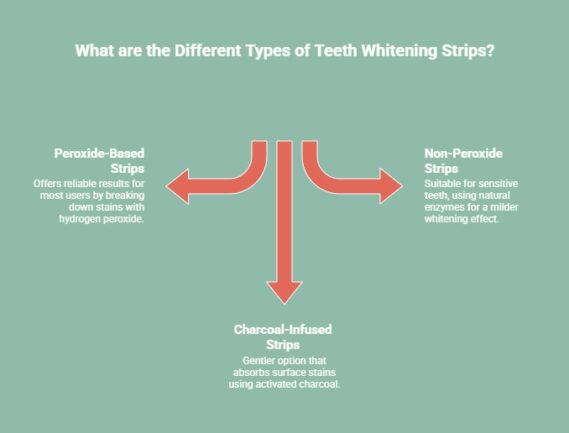
Not all whitening strips work the same way. The results and comfort level can vary depending on the formulation used.
- Peroxide-Based Strips: The most common option is to use hydrogen peroxide or carbamide peroxide to break down stains effectively. These offer reliable results for most people.
- Charcoal-Infused Strips: Use activated charcoal to absorb surface stains. They tend to be gentler but usually provide milder whitening compared to peroxide-based strips.
- Non-Peroxide Strips: Designed for sensitive teeth, these products use enzymes or alternative agents to lift stains gradually. Results are more subtle but better tolerated by those with enamel sensitivity.
Thinking whitening strips might not be enough? Book your appointment with Dentist Tree of the Heights today for expert whitening treatments that deliver long-lasting results.
What Are the Types of Teeth Stains Whitening Strips Target?
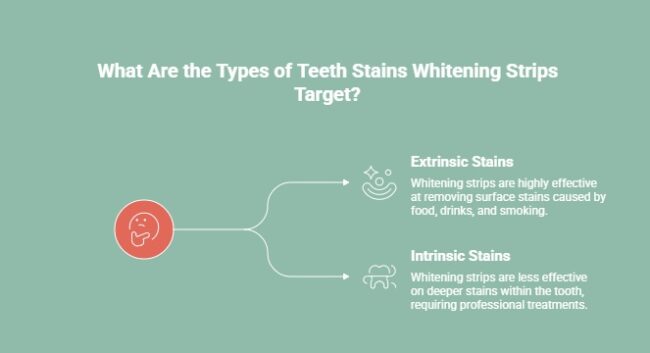
Teeth stains generally fall into two categories:
- Extrinsic Stains: These are surface stains caused by food, drinks (like coffee and wine), smoking, or poor oral hygiene. Whitening strips are highly effective at breaking down these surface stains, gradually brightening your smile.
- Intrinsic Stains: These deeper stains occur within the tooth, often due to aging, medication, or trauma. Whitening strips are less effective on intrinsic stains since the whitening agents have difficulty reaching these inner layers of the tooth.
What are the Benefits of Teeth Whitening Strips?
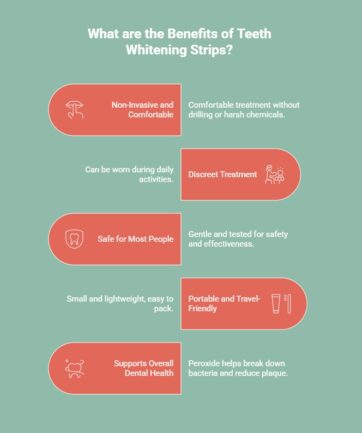
Teeth whitening strips offer more than just cosmetic improvement; they are a simple, effective way to achieve a brighter smile and complement the goals of cosmetic dentistry. Here’s how they can benefit you:
- Non-Invasive and Comfortable: Whitening strips don’t require any drilling or harsh chemicals, making them a comfortable choice for those who prefer non-invasive treatments that don’t irritate the gums or teeth.
- Discreet Treatment: Whitening strips are discreet and can be worn while doing other activities, allowing you to whiten your teeth without interrupting your daily routine.
- Safe for Most People: When used as directed, whitening strips are generally safe for most people. They are designed to be gentle and have been tested for both safety and effectiveness, providing an option for people with varying levels of tooth sensitivity.
- Portable and Travel-Friendly: Whitening strips are small, lightweight, and easy to pack, making them a convenient option for maintaining a bright smile while travelling or on the go.
- Supports Overall Dental Health: While teeth whitening strips are designed for cosmetic improvement rather than plaque control, using them alongside regular brushing, flossing, and dental check-ups helps support overall oral hygiene and maintain a cleaner, healthier-looking smile.
What Factors Influence Results With Whitening Strips?

Several factors can influence how well whitening strips work. Being aware of these factors will help you set realistic expectations and achieve the best possible results. Let’s look at some key elements that can impact the effectiveness of whitening strips:
- Severity of Stains: The effectiveness of whitening strips depends on the type and intensity of the stains on your teeth. Surface stains from food and drinks are typically easier to remove, while deeper intrinsic stains may require more treatment or a professional approach.
- Consistency of Use: Following the recommended usage guidelines is crucial for optimal results. Skipping applications or using the strips inconsistently can slow down the whitening process and reduce the overall effectiveness.
- Tooth Sensitivity: People with sensitive teeth may find that whitening strips can cause temporary discomfort or increased sensitivity. Therefore, choosing a gentler formula designed for sensitive teeth can help minimize these issues.
- Oral Hygiene Habits: Good oral hygiene is essential for maximizing the effectiveness of whitening strips. Regular brushing and flossing help remove plaque and bacteria, enabling the whitening agents to penetrate the enamel more efficiently, leading to better results.
- Diet and Lifestyle: The foods and drinks you consume during the whitening process can affect the longevity of your results. So, avoid stain-causing foods like coffee and red wine during treatment to maintain your whiter smile for a longer time.
What Are the Preparation and Application Steps for Teeth Whitening Strips?
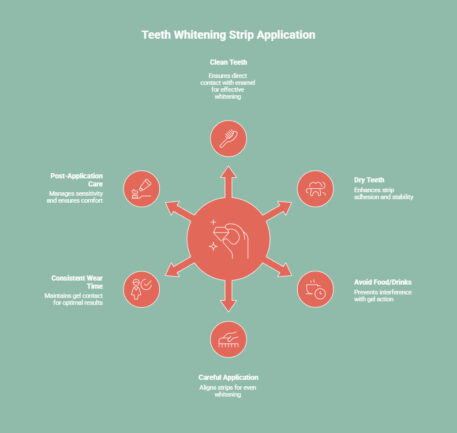
To get even, predictable results from teeth whitening strips, focus on two things: clean contact with enamel and steady wear time. This simple step-by-step routine keeps the process consistent and helps reduce common mistakes like poor adhesion or patchy whitening.
- Clean and prep your teeth: Brush and floss gently to remove plaque and food residue. This helps the whitening gel sit directly on the enamel instead of on buildup.
- Dry your teeth for better adhesion: Pat your teeth dry with a clean tissue. A dry surface helps the strips stick smoothly and stay in place.
- Time it right before you apply: Avoid eating or drinking for about 30 minutes beforehand, especially coffee, tea, or anything acidic. This reduces interference and helps the gel work evenly.
- Apply the strips carefully along the gumline: Peel the strips from the backing and place the gel side on your teeth. Align close to the gumline without pressing into the gums, then smooth the strip so it has full contact with the enamel.
- Wear them for the exact time on the label: Most strips are worn for around 30 minutes. During this time, avoid eating and drinking, and try to limit talking so the strips do not shift.
- Remove, rinse, and check how your teeth feel: Peel off the strips and discard them. Rinse thoroughly to remove leftover gel. If you notice sensitivity, pause for a day or switch to strips made for sensitive teeth. If sensitivity is persistent, check with your dentist in Houston before continuing.
Following these steps helps whitening strips work evenly while reducing sensitivity and uneven results.
Are Teeth Whitening Strips Safe? Side Effects and Long-Term Use
Teeth whitening strips are generally safe for most people when used as directed. Problems typically arise from overuse, wearing them longer than recommended, or ignoring early signs of sensitivity. When used responsibly, whitening strips can be part of a safe, short-term whitening routine.
Most side effects are mild and temporary, but it is important to recognize them early:
- Tooth sensitivity: A temporary increase in sensitivity to hot or cold foods is the most common effect, especially during the first few days of use.
- Gum irritation: If strips overlap onto the gums, they may cause mild irritation or a burning sensation, which usually resolves after removal.
- Uneven whitening: Poor adhesion or existing dental work, such as crowns or veneers, can lead to uneven colour, as whitening agents only affect natural teeth.
- Dry mouth: Some users notice short-term dryness, which can usually be managed by staying hydrated and rinsing after use.
How to Use Whitening Strips Safely Over the Long Term?
To protect enamel and reduce side effects, whitening strips should not be used continuously. Most dental professionals recommend limiting use to a maximum of 10 to 14 days per treatment cycle, followed by a break of several months before repeating.
If sensitivity develops, reduce frequency or switch to a gentler formula. Supporting enamel health with a fluoride toothpaste and maintaining regular dental check-ups helps ensure whitening does not compromise long-term oral health.
Whitening strips can be effective, but they may not work for everyone or could cause sensitivity. For a more customized and professional whitening experience, schedule online with Dentist Tree of the Heights today!
When Are Teeth Whitening Strips the Right Choice?
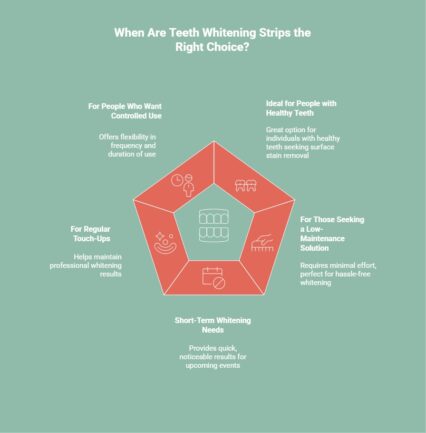
Teeth whitening strips can offer noticeable results without the need for professional dental visits. However, it’s important to know when they are the most effective and suitable solution for your teeth.
Here are some instances when whitening strips are the right choice:
- Ideal for People with Healthy Teeth: Whitening strips are a great option for individuals with healthy teeth who simply want to improve the appearance of their smile by removing surface stains.
- For Those Seeking a Low-Maintenance Solution: Whitening strips don’t require much effort beyond applying them to your teeth. If you prefer a straightforward, hassle-free solution, they’re an excellent option.
- Short-Term Whitening Needs: If you’re preparing for an upcoming event, whitening strips can provide a quick boost, offering noticeable improvement in a short period, usually within a week or two.
- For Regular Touch-Ups: If you’ve had professional whitening in the past, whitening strips can help maintain your results and keep your smile bright between professional treatments.
- For People Who Want Controlled Use: Whitening strips allow you to control how often and for how long you use them. This level of flexibility makes them a good option for individuals who prefer to manage their whitening routine on their own terms.
How to Choose the Best Whitening Strips in the US?
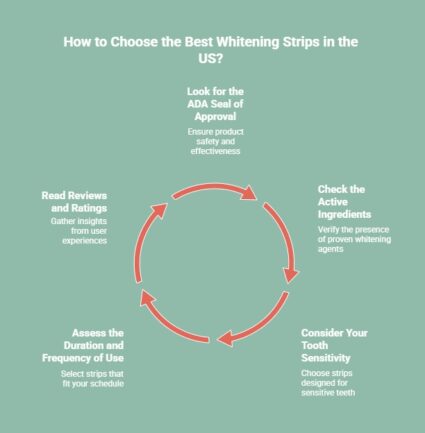
With so many whitening strips available on the market, choosing the right one can be overwhelming. Here’s what to consider when choosing the best whitening strips:
- Look for the ADA Seal of Approval: Choose whitening strips that have the American Dental Association (ADA) Seal of Acceptance. This ensures the product has been tested for safety and effectiveness.
- Check the Active Ingredients: Most whitening strips use hydrogen peroxide or carbamide peroxide. Look for products that contain these proven ingredients, as they effectively break down stains and whiten teeth.
- Consider Your Tooth Sensitivity: If you have sensitive teeth, look for strips specifically designed for sensitivity. These typically contain a gentler formula that helps minimize discomfort.
- Assess the Duration and Frequency of Use: Some strips require longer treatment times or more frequent applications than others. Consider how much time you’re willing to commit and choose a product that fits your schedule.
- Read Reviews and Ratings: User reviews can provide valuable insights into how well the strips work. Look for feedback from people with similar teeth and concerns to help guide your choice.
How Can You Maintain a Bright Smile After Teeth Whitening Strips?
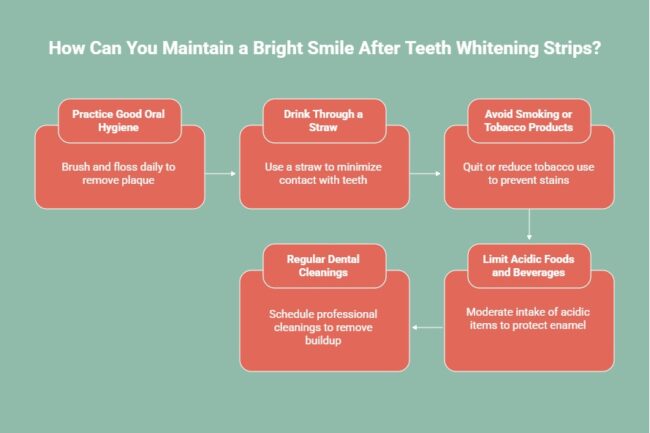
Once you’ve achieved a whiter smile with teeth whitening strips, maintaining the results is key to keeping your teeth bright and healthy. By following a few simple practices, you can prolong the effects and keep your smile looking fresh. Here’s how to maintain your bright smile:
- Practice Good Oral Hygiene: Brush your teeth twice a day and floss daily to remove plaque and prevent new stains from forming. Using a whitening toothpaste can also help maintain brightness.
- Drink Through a Straw: When drinking beverages like coffee or soda, use a straw to reduce direct contact with your teeth and minimize staining.
- Avoid Smoking or Tobacco Products: Smoking and tobacco use can stain your teeth quickly and undo the whitening effects. Quitting or reducing tobacco use will help keep your teeth bright.
- Limit Acidic Foods and Beverages: Acidic foods and drinks, such as citrus fruits and vinegar, can erode enamel, making teeth more prone to staining. Moderating your intake of these items can help preserve your whitening results.
- Regular Dental Cleanings: Schedule professional dental cleanings with your dentist to keep your teeth free from plaque and tartar buildup, helping your smile stay bright.
How Can Dentist Tree of the Heights Enhance Your Whitening Experience?
Whitening strips are a convenient and affordable way to achieve a brighter smile, especially for surface stains caused by food or drink. However, if you’re seeking more noticeable, long-lasting results, professional whitening at Dentist Tree of the Heights can take your smile to the next level. Our advanced treatments offer quicker, more dramatic results while keeping your teeth healthy and strong.
While whitening strips can work for mild to moderate stains, professional treatments are tailored to your specific needs, ensuring effective, safe whitening with minimal sensitivity. Our experienced dental team customizes each treatment to ensure the best possible outcome, giving you the confidence of a brighter, even smile.
If you’re ready to see lasting results and a brighter smile, call us today. We’re here to provide you with a safe, professional whitening experience designed just for you.
Conclusion
Teeth whitening strips can be an effective solution for improving mild to moderate surface stains when used correctly and consistently. They offer a convenient, affordable way to brighten your smile at home, but results vary based on stain type, habits, and oral care.
For deeper stains, faster results, or a more personalized approach, professional whitening is often the better choice. Consulting a trusted dentist ensures safer, longer-lasting results and helps you achieve the confident smile you are looking for.
Frequently Asked Questions
Do teeth whitening strips really make your teeth whiter?
Yes, they do. Whitening strips contain peroxide that breaks down surface stains. While results are gradual compared to professional treatments, consistent use leads to noticeably whiter teeth and a brighter smile.
How long do results from whitening strips last?
Results from whitening strips typically last between six months and a year. The longevity depends on factors like diet and oral hygiene habits. Regular touch-ups can help maintain your brighter smile over time.
How long do teeth whitening strips take to work?
Teeth whitening strips typically show noticeable results within 3-5 days of consistent use. For full results, a 10-14 day treatment is recommended, providing a brighter, whiter smile with continued application and regular use.
Do teeth whitening strips work on composite bonding?
No, whitening strips do not work on composite bonding or other dental restorations like crowns or veneers. They only affect natural teeth, and using them on dental work can lead to uneven color mismatches.
Can I use teeth whitening strips if I have dental work or crowns?
It’s not recommended. Whitening strips work only on natural teeth and will not change the color of dental work, such as crowns, fillings, or veneers. For professional whitening options, consult with Dentist Tree of the Heights.
Are teeth whitening strips safe to use regularly?
Teeth whitening strips are safe for occasional use. Overuse can lead to tooth sensitivity, gum irritation, and enamel damage. It’s best to take breaks between treatments for optimal safety and results.
Are certain brands of teeth whitening strips more effective than others?
Yes, effectiveness varies by brand. Some, like Crest Whitestrips, have higher concentrations of whitening agents and better adhesion. Look for products with the ADA Seal of Acceptance for proven safety and efficacy, ensuring reliable results for the price.
Do teeth whitening strips really work?
Yes, teeth whitening strips are very effective on extrinsic stains caused by coffee, tea, red wine, and smoking. The whitening agent in the strips is specifically designed to break down and lift these types of surface stains, leading to a visibly whiter smile with consistent use.
Do whitening strips work on yellow teeth?
Yes, whitening strips are effective on yellow teeth, particularly when caused by surface stains from food or drink. The peroxide in the strips helps lighten tooth color and reduce yellow tones for a whiter smile.
Can I use teeth whitening strips if I have sensitive teeth?
Yes, but with caution. Many brands offer strips for sensitive teeth that contain lower peroxide concentrations to minimize discomfort. If sensitivity persists, Dentist Tree of the Heights offers gentle professional whitening options tailored to sensitive teeth.