

Key Highlights
- Veneers typically last 5 to 15 years, with porcelain lasting longer than composite due to higher durability and stain resistance.
- Composite veneers are more affordable but may require replacement sooner, usually within 5 to 7 years.
- Lifespan depends on factors like oral hygiene, grinding, diet, bite alignment, and the quality of dental placement.
- Front teeth veneers may experience more wear due to daily pressure but can still last over a decade with proper care.
- Good habits such as avoiding hard foods, wearing a night guard, and regular dental visits can extend veneer longevity.
- Veneers need replacement if they show signs like cracks, staining, loosening, or changes in fit and appearance.
- While not permanent, veneers offer long-term cosmetic improvement and are a worthwhile option with proper maintenance.
Many people considering veneers want to know if the results will truly last before committing to the treatment. Since veneers involve both time and financial investment, understanding their longevity is essential for making a confident decision.
The lifespan of veneers is not the same for everyone. It depends on the material used, your daily habits, and how well you maintain your oral health over time. Without the right care, even high-quality veneers may wear out sooner than expected.
This blog explains how long veneers last, what factors influence their durability, and what you can do to extend their lifespan, helping you make an informed and practical choice for your smile.
What Is the Average Lifespan of Veneers?
When considering veneers, one of the most important factors is how long you can expect them to last. The lifespan of veneers largely depends on the material you choose. Generally, porcelain veneers are the more durable option. With proper maintenance, they typically last between 10 to 15 years, and in some cases, even longer. Their strong, stain-resistant surface helps maintain a vibrant, natural appearance for a very long time.
On the other hand, composite resin veneers have a shorter lifespan, usually lasting about 5 to 7 years. While they are a more affordable and quicker solution, the resin material is not as durable as porcelain and can be more prone to staining and wear. However, with excellent care, some people find their composite veneers can last up to 10 years. Your dentist can help you decide which material best fits your lifestyle and smile goals.
Exploring other ways to enhance your smile? Check out these helpful cosmetic dentistry procedures to find the right option for your goals.
What Is the Cost Per Year of Veneers?
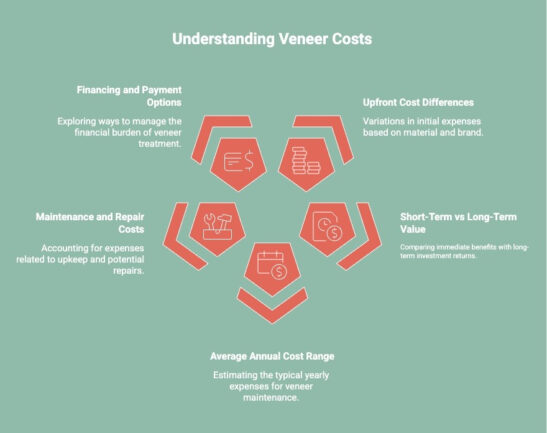
Veneers involve upfront costs, but evaluating them annually gives a clearer value perspective. Below are key cost considerations when calculating long-term affordability and return on investment.
- Upfront Cost Differences: Porcelain veneers cost more initially but last longer, reducing yearly expense over time
- Short-Term vs Long-Term Value: Composite veneers are cheaper upfront but may increase cost per year due to shorter lifespan
- Average Annual Cost Range: Yearly costs typically range between $100 to $300 depending on material and durability
- Maintenance and Repair Costs: Ongoing expenses like polishing, repairs, or replacements can impact total yearly value
- Financing and Payment Options: Flexible payment plans can improve affordability without changing total investment
Overall, porcelain veneers often provide better long-term value despite higher initial pricing.
What Factors Affect How Long Veneers Last?
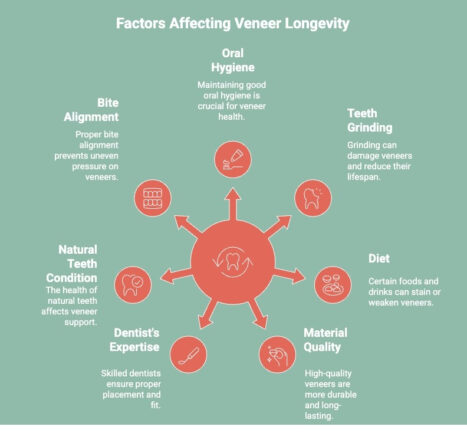
Veneer lifespan depends on both clinical precision and everyday habits that influence durability over time. While materials matter, maintenance plays an equally important role.
Below are the key factors that determine how long veneers last and how well they perform:
1) Oral Hygiene and Gum Health
Maintaining proper oral hygiene is essential for preserving veneers. Brushing twice daily and flossing help prevent plaque buildup, decay, and gum disease around the veneers. If gums become unhealthy, the support around the veneers weakens, affecting their stability. Healthy gums ensure veneers remain securely bonded, reducing the chances of early replacement and helping maintain a clean, natural-looking smile over time.
2) Teeth Grinding and Bite Pressure
Teeth grinding, also known as bruxism, places constant pressure on veneers and can lead to chips, cracks, or loosening. Excessive bite force from clenching or uneven alignment increases stress on specific teeth. Over time, this weakens the structure of veneers. Wearing a custom night guard and addressing bite issues early can significantly reduce damage and extend the lifespan of your veneers.
3) Diet and Eating Habits
Frequent consumption of hard or sticky foods can damage veneers by causing chips or cracks. Habits like chewing ice or opening packages with teeth add unnecessary stress. Staining beverages such as coffee, tea, and wine may also affect appearance, especially for composite veneers. Being mindful of what you eat and avoiding damaging habits helps preserve both the strength and aesthetics of your veneers.
4) Material and Quality of Veneers
The type of veneer material directly impacts durability. Porcelain veneers are stronger, more resistant to stains, and typically last longer than composite veneers. High-quality materials combined with precise fabrication improve both performance and appearance. Choosing the right material based on your needs and expectations plays a key role in determining how long your veneers will remain functional and visually consistent.
5) Dentist’s Expertise and Placement
The skill and experience of your dentist significantly influence veneer longevity. Proper tooth preparation, accurate impressions, and strong bonding techniques ensure a secure fit. Poor placement can lead to early failure, discomfort, or gaps that allow bacteria to enter. Choosing an experienced dental professional helps ensure veneers are designed and placed correctly for long-term durability and natural aesthetics.
6) Condition of Natural Teeth
Veneers rely on the strength of the underlying teeth for support. If the natural teeth have weak enamel, decay, or structural issues, veneers may not bond effectively or last as long. A thorough dental evaluation before placement ensures that any existing problems are treated. Strong, healthy teeth provide a stable foundation, improving both the lifespan and performance of veneers.
7) Bite Alignment and Tooth Structure
An uneven bite can create excessive pressure on certain teeth, increasing the risk of veneer damage over time. Misalignment may cause uneven wear, leading to cracks or loosening. Proper bite evaluation and correction help distribute pressure evenly across all teeth. Balanced alignment not only protects veneers but also improves comfort and overall oral function for long-term results.
Paying attention to these factors can help you protect your veneers and maintain a healthy, long-lasting smile.
If you experience sensitivity while maintaining your veneers, explore practical tips for dental care for sensitive teeth.
What Is the Failure Rate of Veneers Over Time?
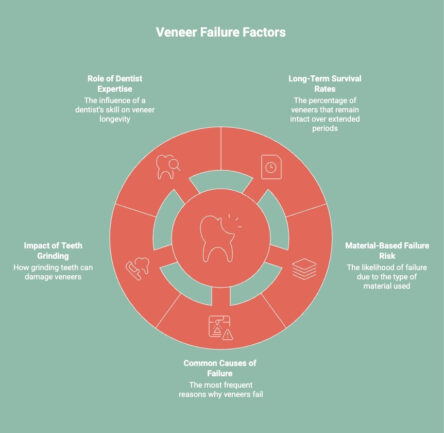
Veneer durability varies, and understanding failure rates helps set realistic expectations. Here are key insights into how often veneers fail and what influences their long-term success.
- Long-Term Survival Rates: Studies show around 90 percent of porcelain veneers last over 10 years with proper care
- Material-Based Failure Risk: Composite veneers have higher failure rates due to wear, staining, and bonding limitations
- Common Causes of Failure: Poor placement, excessive force, or weak underlying teeth often lead to early failure
- Impact of Teeth Grinding: Bruxism and bite issues significantly increase the risk of veneer damage
- Role of Dentist Expertise: Skilled placement and high-quality materials reduce failure rates and improve longevity
With proper care and expert placement, veneer failure remains relatively low over time.
How Can You Make Veneers Last Longer?
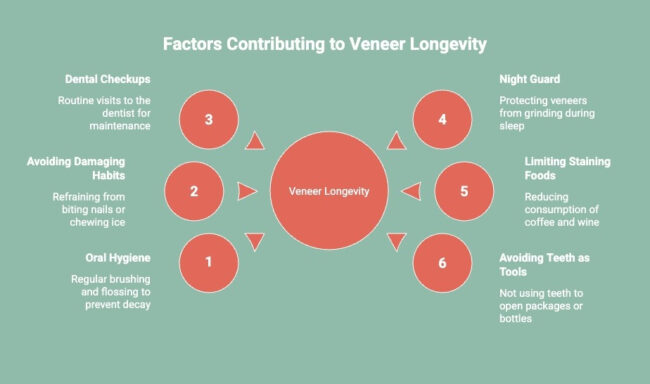
Veneers can last many years when supported by the right habits and consistent care. While material and placement matter, daily choices play a major role in durability.
Here are the key ways to help your veneers last longer and maintain their appearance:
- Maintain Good Oral Hygiene: Follow consistent daily brushing and flossing to protect the front surface of your teeth and keep veneers securely supported.
- Avoid Hard and Damaging Habits: Refrain from biting hard objects to prevent stress on veneers and protect surrounding dental work.
- Schedule Regular Dental Checkups: Routine visits allow early detection of issues and help maintain both your veneers and overall oral health.
- Use a Night Guard for Protection: Use a night guard if you grind your teeth to reduce pressure on veneers and prevent cracks or damage over time.
- Limit Staining Foods and Drinks: Limit coffee, wine, and other staining foods to help maintain the colour and appearance of your veneers, especially composite ones.
- Avoid Using Teeth as Tools: Avoid using your teeth as tools, such as opening packages, as this can put unnecessary stress on veneers and lead to chips or loosening.
Consistent care and mindful habits can significantly extend the life of your veneers and keep your smile looking its best.
When Do Veneers Need to Be Replaced?
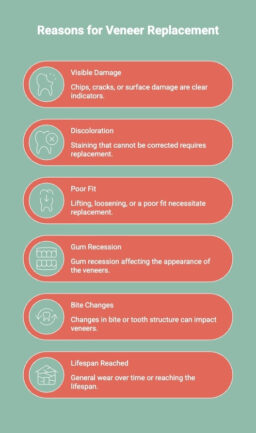
Veneers are durable but not permanent, and over time, natural wear or changes in your teeth can affect their fit and appearance.
Below are the key signs that indicate when veneers may need to be replaced to maintain both function and aesthetics:
1) Visible Chips, Cracks, or Surface Damage
Over time, veneers can develop small chips, cracks, or surface wear due to daily use, biting pressure, or accidental impact. Even minor damage can affect both appearance and strength. If left unaddressed, these issues may worsen and compromise the bond, making timely replacement important to restore function and maintain a natural-looking smile.
2) Discoloration or Staining That Cannot Be Corrected
While porcelain veneers resist stains, composite veneers are more prone to discoloration over time. If stains become deep and cannot be polished or cleaned professionally, replacement may be necessary. Persistent color changes can make veneers stand out against natural teeth, affecting overall smile aesthetics and reducing the uniform appearance you initially achieved.
3) Lifting, Loosening, or Poor Fit
Veneers should sit securely on the tooth surface, but over time, the bonding material can weaken. This may cause veneers to lift, loosen, or feel uneven. A poor fit can allow bacteria to enter underneath, increasing the risk of decay or sensitivity. Replacing them ensures proper sealing, comfort, and long-term oral health.
4) Gum Recession Affecting Appearance
As gums naturally recede with age or due to oral health issues, the edges of veneers may become more visible. This can create uneven margins or expose parts of the underlying tooth. In such cases, replacement helps restore a seamless look and ensures the veneers align properly with your current gum line.
5) Changes in Bite or Tooth Structure
Shifts in your bite or natural tooth structure can place uneven pressure on veneers, increasing the risk of wear or damage. These changes may occur due to grinding, orthodontic movement, or aging. Replacing veneers allows your dentist to redesign them for better alignment, improving both comfort and long-term durability.
6) Lifespan Reached or General Wear Over Time
Even without visible damage, veneers naturally wear down after 10 to 15 years. Over time, bonding materials weaken, and minor imperfections can develop. Replacing veneers at the end of their lifespan helps maintain optimal function, aesthetics, and oral health, ensuring your smile continues to look consistent and well-balanced.
Replacing veneers at the right time helps prevent further complications and keeps your smile looking natural, comfortable, and well-maintained.
Want to keep your veneers in top condition? Learn the essentials of understanding oral hygiene to protect your smile long-term.
Are Veneers Worth It Long Term?
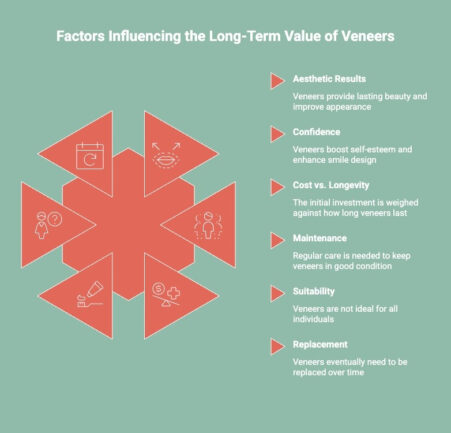
Veneers are a long-term cosmetic solution, but their value depends on durability, maintenance, and individual needs. Understanding both benefits and limitations helps set realistic expectations.
Here are the key points to consider when deciding if veneers are worth it long-term:
- Long-Lasting Aesthetic Results: Porcelain veneers can last 10 to 15 years or more while maintaining a natural, stain-resistant appearance.
- Improved Confidence and Smile Design: Veneers enhance the front surface of your teeth, creating a more balanced and attractive smile.
- Cost vs. Longevity Consideration: A higher upfront cost may be justified by durability and a reduced need for frequent replacements.
- Ongoing Maintenance Required: Good oral hygiene habits and regular dental checkups are essential to protect your veneers.
- Not Suitable for Everyone: Patients with severe damage or poor oral health may require alternative dental work instead.
- Eventual Replacement Is Necessary: Veneers are not permanent and will need replacement after their typical lifespan.
Veneers can be a worthwhile investment when chosen for the right reasons and maintained with proper care over time.
Looking for Long-Lasting Veneers at Dentist Tree of the Heights?
If you are considering veneers and want results that truly last, choosing the right dental team makes all the difference. At Dentist Tree of the Heights, every veneer treatment is carefully planned to balance aesthetics, durability, and long-term oral health.
Our experienced dentists use high-quality materials and advanced techniques to ensure your veneers look natural and stay strong for years. Whether you are exploring porcelain or composite options, we guide you through every step with a personalized approach tailored to your smile goals.
From your first consultation to final placement, your comfort and results remain our priority. We also provide ongoing care and maintenance guidance to help extend the lifespan of your veneers.
Book your consultation today and take the first step toward a confident, lasting smile.
Conclusion
Veneers offer a reliable, long-term solution for improving your smile, with most lasting between 5 and 15 years depending on the material and care. Porcelain veneers provide greater durability, while composite options offer a more affordable, short-term alternative. Their lifespan ultimately depends on daily habits, oral hygiene, and regular dental visits. Avoiding damaging behaviors and following professional guidance can significantly extend their results.
While veneers are not permanent, they remain a worthwhile investment for many patients seeking confidence and aesthetic improvement. With the right care and expert support, you can enjoy a natural-looking, long-lasting smile for years.
Frequently Asked Questions
Do porcelain veneers last longer than other types of veneers?
Yes, custom porcelain veneers typically last longer than composite resin veneers due to their strength and stain resistance. While both improve the appearance of your smile, porcelain options offer a more natural appearance and better durability over time.
Can dental veneers last 30 years with proper care?
Although rare, some veneers may last decades with excellent care. However, most have a typical veneer lifespan of 10–15 years. Factors like tooth structure, regular brushing, and avoiding excessive force determine how long do veneers last in real-world conditions.
What are the signs that my veneers need to be replaced?
Common signs include chips, cracks, staining, or lifting edges. Changes in gum health or discomfort around a single veneer may also indicate issues. If the appearance of your smile changes, a cosmetic dentist can assess whether replacement is needed.
Are there foods or habits that can make veneers wear out faster?
Yes, biting hard objects, chewing ice, and consuming sticky foods can damage veneers. Habits like teeth grinding create excessive force, leading to cracks. Limiting these behaviors helps maintain veneer longevity and protects the front of your teeth.
How does the veneer procedure timeline relate to how long they last?
The overall timeline, including proper veneer process steps like digital scans and lab fabrication, affects durability. Careful veneer placement ensures a secure bond. Patients often ask how long does it take for veneers, but quality matters more than speed.
Are veneers painful to get?
The veneer process is generally comfortable and minimally invasive. Local anesthesia may be used during preparation to protect tooth enamel. Most patients experience little to no pain, making cosmetic dentistry treatments like veneers a smooth experience overall.
What Should You Discuss with Your Dentist When Considering Veneers?
Discuss cosmetic options, the number of veneers, and expected results for your new smile. Ask about materials like composite resin or porcelain, costs, and maintenance. A cosmetic dentist will also evaluate your tooth structure and overall oral health.
What Are the Pros and Cons of Composite (Resin) Veneers?
Composite resin veneers are affordable and require less lab work, often completed in one visit. If you are wondering how long composite veneers last, they typically last between 5 and 7 years and generally have a shorter lifespan than porcelain options.
Do veneers on front teeth last as long as others?
Veneers placed on front teeth can last many years, but they face more daily pressure. If you are asking how long do veneers last on front teeth, proper care, avoiding damage, and regular dental visits play a key role.
How long do porcelain veneers last and how long does it take to get veneers?
Porcelain veneers typically last 10 to 15 years or longer with proper care. If you are wondering how long does it take to get veneers, the process usually takes two to four weeks and requires multiple dental visits.