

Key Highlights
- Tooth sensitivity can be caused by worn enamel, gum recession, or cavities, making it essential to identify the root cause.
- Desensitizing toothpaste and soft-bristled toothbrushes help alleviate discomfort and protect enamel.
- Avoiding acidic foods and drinks can prevent further erosion of tooth enamel.
- Gum disease can increase sensitivity, so maintaining gum health is key to reducing discomfort.
- Professional dental treatments, like fluoride varnishes or root canals, may be necessary if sensitivity persists.
- Long-term care may include strengthening enamel, reducing grinding, and addressing underlying dental issues.
- Dentist Tree of the Heights provides personalized evaluations to pinpoint the cause of tooth sensitivity and guide effective treatment.
Does the thought of sipping hot coffee or enjoying a cold dessert make you wince with discomfort? Tooth sensitivity is a common and frustrating condition that affects many individuals, making simple pleasures, like eating or drinking, painful. Whether it’s triggered by cold, hot, or sugary foods, tooth sensitivity can interfere with your daily activities and affect your overall quality of life.
The goal is to understand what causes tooth sensitivity and how you can take proactive measures to manage it. From daily habits to professional care, there are many ways to reduce discomfort and protect your smile.
This blog will provide helpful insights into how you can prevent sensitivity, manage pain at home, and know when to seek professional help.
What Causes Sensitive Teeth?

Tooth sensitivity can be a frustrating and uncomfortable issue. Understanding what causes it can help you take the necessary steps to protect your teeth and prevent further discomfort. Whether it’s due to external factors like temperature changes or internal causes like worn enamel, it’s important to address the root of the problem for long-term relief.
Let’s take a closer look at the common causes of sensitive teeth:
- Gum Recession: When the gums pull back, the tooth roots are exposed, making them more sensitive to temperature and touch.
- Tooth Decay: Cavities can expose the inner layers of the tooth, leading to increased sensitivity, especially to hot or cold foods.
- Worn Enamel: Enamel erosion from acidic foods or brushing too aggressively can expose the sensitive dentin underneath.
- Cracked Teeth or Fillings: Small cracks in the teeth or existing fillings can allow external stimuli to reach the nerves, causing discomfort.
- Teeth Grinding: Habitual grinding or clenching can wear down enamel and lead to sensitivity, particularly in the mornings.
As you can see, sensitive teeth can be caused by various factors, from everyday habits to natural changes in the mouth. Fortunately, these issues are preventable and manageable with the right care.
If you’re experiencing persistent discomfort, it’s essential to consult with your dentist to explore tailored treatments. At Dentist Tree of the Heights, our compassionate team is here to provide personalized care and ensure your dental health remains strong. Reach out today!
What Are the 10 Ways to Take Care of Sensitive Teeth at Home?
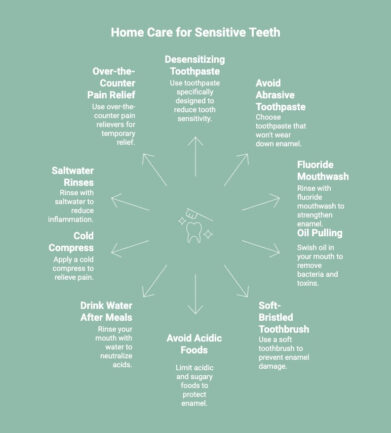
Taking care of sensitive teeth at home can help alleviate discomfort and prevent further issues. By understanding how to take care of sensitive teeth at home, simple, daily habits and natural remedies can make a significant difference. Below are some easy-to-follow tips you can incorporate into your routine:
1) Use Desensitizing Toothpaste
Desensitizing toothpaste is specifically formulated to block pain signals from reaching the nerves inside your teeth. These toothpastes contain compounds like potassium nitrate that reduce sensitivity, making them an effective option for daily use to provide relief over time.
2) Avoid Abrasive Toothpaste
Abrasive toothpaste can wear down enamel, which is already a concern for people with sensitive teeth. Opt for a gentle, fluoride-based toothpaste to preserve your enamel and protect the sensitive areas of your teeth. This simple switch can help minimize sensitivity.
3) Rinse with Fluoride Mouthwash
Fluoride mouthwash helps strengthen tooth enamel and reduce tooth sensitivity. Using a fluoride rinse regularly can provide long-term benefits, making your teeth more resistant to sensitivity triggers. It’s a great complement to your toothpaste, reinforcing the protection against enamel loss.
4) Try Oil Pulling
Oil pulling, particularly with coconut oil, can reduce bacteria and inflammation in the mouth, providing a natural remedy for sensitive teeth. Swishing the oil around your mouth for 10-15 minutes can help soothe the discomfort and promote overall oral health.
5) Use a Soft-Bristled Toothbrush
A soft-bristled toothbrush is essential for individuals with sensitive teeth, as hard bristles can irritate the gums and wear away enamel. Using a soft toothbrush with gentle strokes can reduce the risk of further damage and help keep your teeth and gums healthy.
6) Avoid Acidic and Sugary Foods
Acidic and sugary foods can trigger sensitivity by eroding enamel and leading to tooth decay. Limit your consumption of citrus, soda, and sugary snacks to prevent further damage. If you do indulge, rinse your mouth with water immediately afterward to protect your enamel.
7) Drink Water After Meals
Drinking water after meals helps neutralize acids in your mouth, which can contribute to enamel erosion and tooth sensitivity. It also helps rinse away food particles and bacteria, keeping your mouth clean and reducing the risk of further tooth sensitivity.
8) Apply a Cold Compress for Pain Relief
For immediate relief from tooth sensitivity, apply a cold compress to the outside of your mouth. The cold can numb the affected area and reduce inflammation, providing temporary relief from discomfort caused by sensitive teeth. This method is simple and effective.
9) Use Saltwater Rinses
Saltwater rinses are a time-tested remedy for soothing sensitive teeth. The saline solution can help reduce inflammation, fight infection, and promote healing of the gums. Gently swish with warm saltwater for 30 seconds to relieve sensitivity and keep your mouth clean.
10) Try Over-the-Counter Pain Relief
If sensitivity is causing discomfort, over-the-counter pain relief such as ibuprofen or acetaminophen can provide temporary relief when used as directed. For additional guidance on managing sudden discomfort, these emergency tooth pain relief tips can help you stay comfortable until you see a dentist. However, ongoing sensitivity should always be evaluated by your dental provider to address the underlying cause.
By incorporating these at-home remedies into your routine, you can effectively manage sensitive teeth and maintain your smile’s health. For the best tooth care for gums and sensitive teeth, it’s important to combine proper home care with professional guidance. If sensitivity continues, it’s always a good idea to consult your dentist for further advice and care.
Learn more about protecting your teeth by exploring our Oral Hygiene Guide.
What Dental Procedures Are Available for Sensitive Teeth?
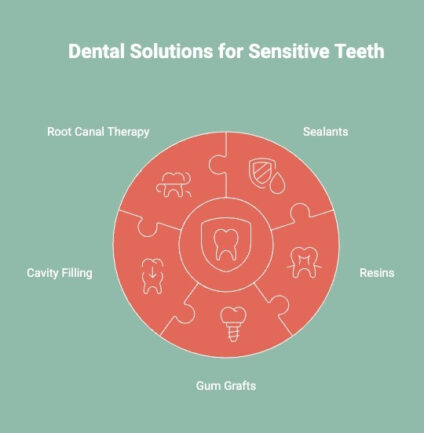
While at-home remedies are helpful, some cases of tooth sensitivity require professional treatment. If sensitivity persists, your dentist may recommend specific procedures to relieve discomfort and protect your teeth.
Here are common dental procedures for managing sensitive teeth:
1) Sealants
Sealants are thin, protective coatings applied to the chewing surfaces of back teeth where sensitivity and decay often begin. They act as a barrier against bacteria, food particles, and acids that wear down enamel. By sealing vulnerable grooves, this treatment helps reduce sensitivity and lowers the risk of future cavities, especially for teeth exposed to frequent pressure from chewing.
2) Resins
Resins are tooth colored filling materials used to restore areas where enamel has worn away. When enamel is damaged, underlying tooth layers become exposed and sensitive. Resin bonding covers these areas, strengthens the tooth structure, and reduces discomfort caused by temperature changes or pressure. This treatment blends naturally with the tooth and provides both functional and cosmetic benefits.
3) Gum Grafts
Gum grafts are a surgical procedure used to treat gum recession, which often exposes sensitive tooth roots. During the procedure, healthy tissue is placed over the affected area to protect the root surface. This reduces sensitivity, improves gum health, and helps prevent further recession, making it a long-term solution for managing discomfort caused by exposed roots.
4) Cavity Filling
Cavity fillings repair teeth damaged by decay that can lead to increased sensitivity. Removing the decayed portion and filling the area restores the tooth’s structure and protects the inner layers. This prevents further damage while reducing sensitivity to heat, cold, and pressure. Early treatment helps preserve the tooth and avoid more complex dental procedures later on.
5) Root Canal Therapy
Root Canal therapy is recommended when sensitivity is caused by infection or inflammation inside the tooth. The procedure removes infected pulp, cleans the inner canals, and seals the tooth to prevent further issues. By addressing the source of pain directly, root canal therapy provides lasting relief while saving the natural tooth from extraction.
If you are unsure which option is right for you, scheduling a consultation with us can help you get clear answers and a personalized plan focused on lasting comfort and oral health. Contact Dentist Tree of Heights now!
When Should You Seek Professional Treatment for Sensitive Teeth?
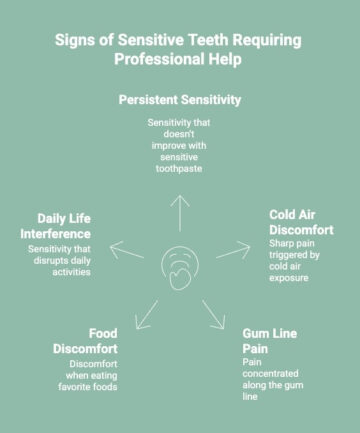
Tooth sensitivity that does not improve with at home care should not be ignored. When discomfort begins to affect your daily life, it often signals that something beyond surface irritation is involved and needs professional evaluation.
Below are common warning signs that help identify the cause of your tooth sensitivity and when to seek treatment:
- Sensitivity That Persists Despite Sensitive Toothpaste: Ongoing discomfort after using sensitive toothpaste may indicate deeper enamel wear or exposed areas along the gum line.
- Sharp Discomfort Triggered by Cold Air: Pain caused by cold air exposure often occurs when the layer of enamel has thinned, allowing easier transmission of sensation.
- Pain Concentrated Along the Gum Line: Sensitivity near the gum line can be linked to irritated gum tissue or an increased risk of gum recession.
- Discomfort When Eating Favorite Foods: Sensitivity to hot, cold, or sweet favorite foods may signal exposed tiny tubules on the tooth surface.
- Sensitivity That Interferes With Daily Life: When tooth sensitivity affects eating, drinking, or brushing comfortably, professional care becomes the first step toward lasting relief.
If these symptoms feel familiar, a dental evaluation can help pinpoint the issue early and protect your long-term oral health before discomfort worsens.
Why Should You Choose Dentist Tree of the Heights for Sensitive Teeth Care?
When it comes to managing sensitive teeth, you need a dental team you can trust to provide personalized care and effective solutions. At Dentist Tree of the Heights, we understand that tooth sensitivity can impact your quality of life, and we are committed to helping you achieve long-term comfort and relief.
Here’s why Dentist Tree of the Heights is the best choice for sensitive teeth care:
- Experienced Team: Our dentists are skilled in managing tooth sensitivity and offer expert solutions to address the root cause of your discomfort.
- Patient-Focused Care: We take the time to understand your unique concerns and create a treatment plan that suits your lifestyle and needs.
- Comprehensive Services: From routine checkups to advanced procedures, we provide a full range of dental services to ensure your teeth stay healthy and protected.
- Comfort-First Approach: We prioritize your comfort during each visit, ensuring a stress-free experience for those with dental anxiety or sensitivity.
Don’t let tooth sensitivity hold you back. Take control of your dental health with our trusted care. Call us now at 281.849.8858 to schedule an appointment and start your journey towards a pain-free smile.
Conclusion
Sensitive teeth can be managed effectively with the right care and preventive practices. By following the tips provided, such as using desensitizing toothpaste, avoiding harsh brushing, and scheduling regular dental checkups, you can significantly reduce discomfort and protect your smile for the long term.
Remember, consistency is key to managing sensitivity. Taking small, everyday steps toward oral health can lead to lasting relief and a more confident, comfortable smile. Make your dental care a priority, and your teeth will thank you for it.
Frequently Asked Questions
What foods and drinks should I avoid if I have sensitive teeth?
To manage tooth sensitivity, it’s best to avoid or limit acidic foods and beverages like citrus fruits, tomatoes, sodas, and sports drinks. These can erode tooth enamel and increase discomfort. Also, be cautious with very hot, cold, or sugary and sticky foods, as they are common triggers for sensitivity pain.
How effective are home remedies for reducing tooth sensitivity?
Home remedies, such as using desensitizing toothpaste and a soft-bristled brush, are very effective for managing mild tooth sensitivity. These practices help protect your enamel and reduce irritation in sensitive areas. For persistent pain, however, it’s important to consult a dentist to rule out underlying oral health issues.
Can dentists permanently treat sensitive teeth?
While many treatments offer long-lasting relief, a “permanent” cure depends on the cause. A dentist can address issues like cavities or apply bonding to protect exposed roots. By treating the underlying cause and strengthening your enamel, your dentist can help you achieve lasting comfort and improve your overall oral health.
How can I prevent my teeth from becoming more sensitive?
To prevent increased sensitivity, practice gentle brushing with a soft-bristled toothbrush, use fluoride toothpaste, avoid acidic foods, wear a mouthguard for teeth grinding, and maintain regular dental checkups to catch issues early.
How do dentists diagnose and treat tooth sensitivity?
Dentists diagnose tooth sensitivity by examining the teeth for decay, gum recession, and enamel wear. Treatment options include fluoride treatments, desensitizing toothpaste, fillings, sealants, or root canal therapy, depending on the severity and cause of sensitivity.
How effective are dentist-recommended solutions for sensitive teeth?
Dentist-recommended solutions, like fluoride treatments, desensitizing toothpaste, and sealants, are highly effective in reducing sensitivity. These treatments strengthen enamel, block pain signals, and address underlying causes, providing long-lasting relief for most patients.