

Key Highlights
- Sensitive teeth don’t mean you can’t whiten your smile; just choose the right products.
- Desensitizing toothpaste can minimize discomfort before and after whitening treatments.
- Whitening products with lower peroxide concentrations are ideal for sensitive teeth.
- Professional whitening options can provide safer, more effective results for sensitive teeth.
- Maintaining good oral hygiene and hydration is crucial during the whitening process.
- Take breaks between whitening sessions to protect enamel and reduce sensitivity.
- After whitening, avoid acidic foods and drinks to prevent further irritation.
If your teeth already react to cold water, hot coffee, or sweet foods, the thought of whitening can feel intimidating. Many people with sensitive teeth worry that whitening will turn mild discomfort into sharp, lingering pain, making them hesitate even when they want a brighter smile.
The truth is, sensitivity does not automatically mean whitening is off the table. With the right approach, whitening can be both effective and comfortable. The key is understanding why sensitivity happens, how whitening products interact with enamel, and which methods are safest for sensitive teeth.
This blog helps you navigate sensitive teeth whitening with confidence. You will learn what causes sensitivity, how whitening affects it, which options work best, and how to reduce discomfort before, during, and after treatment. By the end, you will know whether at-home whitening is right for you or when professional care makes more sense.
What Makes Your Teeth Sensitive?
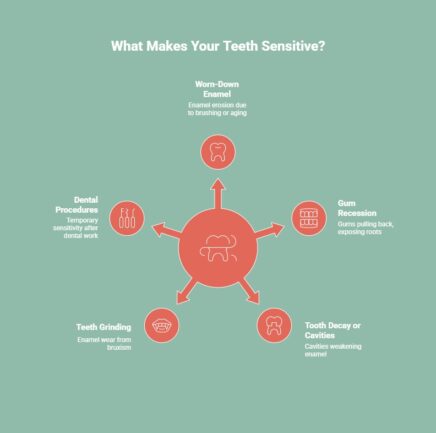
Tooth sensitivity is a common issue that affects many people, and several factors can contribute to the discomfort. Here are some common causes of tooth sensitivity:
- Worn-Down Enamel: Over time, the protective layer of enamel on your teeth can wear down due to brushing too hard, grinding your teeth, or the natural aging process, leading to sensitive teeth.
- Gum Recession: When your gums recede, they expose the root surface of your teeth, which is more vulnerable to sensitivity.
- Tooth Decay or Cavities: Decay can weaken the tooth enamel, leaving the dentin exposed and making your teeth more sensitive.
- Teeth Grinding (bruxism): Grinding or clenching your teeth can wear down enamel and expose the dentin, causing discomfort.
- Dental Procedures: Recent dental work, such as fillings, crowns, or dental cleanings, can sometimes cause temporary sensitivity in the affected teeth.
What Are 10 Proven Tips for Effective Sensitive Teeth Whitening?
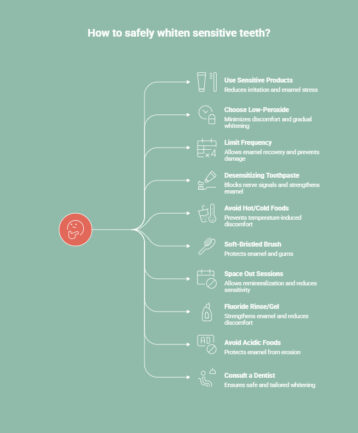
Whitening sensitive teeth requires a careful, intentional approach. These tips focus on protecting enamel, managing sensitivity, and choosing whitening methods that balance comfort with visible results.
1. Use Whitening Products Specifically Formulated for Sensitive Teeth
Whitening products made for sensitive teeth use gentler formulations that reduce irritation while still lifting surface stains. These products are designed to minimize enamel stress and gum discomfort, making them a safer starting point for people prone to sensitivity. Look for labels that mention “sensitive teeth” and avoid products promising instant or extreme whitening, which often rely on higher peroxide levels.
2. Choose Low-Peroxide or Non-Peroxide Whitening Options
High peroxide concentrations can increase sensitivity, especially if the enamel is already compromised. Low-peroxide or non-peroxide whitening options work more gradually, which helps reduce discomfort while still improving tooth colour over time. These options are ideal for people who experience sensitivity after whitening or want a safer, more controlled whitening process without sudden enamel irritation.
3. Limit Whitening Frequency and Follow Recommended Usage Times
Using whitening products too often or leaving them on longer than recommended can weaken enamel and worsen sensitivity. Always follow the manufacturer’s instructions and resist the urge to speed up results. Whitening is most effective when done gradually, allowing enamel time to recover between applications and reducing the risk of prolonged discomfort or enamel damage.
4. Brush With Desensitizing Toothpaste Before and During Whitening
Desensitizing toothpaste helps block nerve signals in the teeth, reducing sensitivity over time. Start using it at least one to two weeks before whitening and continue throughout the treatment period. Ingredients like potassium nitrate or stannous fluoride are particularly effective. Consistent use strengthens protection and makes the whitening process far more comfortable.
5. Avoid Very Hot or Cold Foods Immediately After Whitening
Whitening temporarily increases enamel permeability, making teeth more reactive to temperature changes. Consuming hot coffee, iced drinks, or frozen foods shortly after whitening can trigger sharp discomfort. Stick to room-temperature foods and drinks for at least 24 to 48 hours to allow enamel to stabilize and reduce unnecessary sensitivity.
6. Use a Soft-Bristled Toothbrush to Prevent Enamel Wear
Aggressive brushing can wear down enamel and worsen sensitivity, especially during whitening. A soft-bristled toothbrush cleans effectively without causing abrasion. Use gentle, circular motions rather than scrubbing back and forth. This approach protects enamel, supports gum health, and helps prevent additional irritation while your teeth are already more sensitive.
7. Space Out Whitening Sessions to Allow Enamel Recovery
Whitening sessions should not be done back-to-back without breaks. Spacing treatments allow enamel to remineralize and reduce cumulative sensitivity. If you notice discomfort, pause whitening for a few days rather than pushing through. Allowing recovery time helps maintain enamel strength and ensures whitening remains safe and sustainable.
8. Rinse With Fluoride or Use a Remineralizing Gel After Whitening
Fluoride rinses and remineralizing gels help strengthen enamel after whitening. They work by replenishing lost minerals and sealing exposed dentin tubules that contribute to sensitivity. Using these products after whitening sessions can significantly reduce post-treatment discomfort and support long-term enamel health, especially for people with ongoing sensitivity concerns.
9. Avoid Acidic Foods and Drinks During the Whitening Period
Acidic foods and beverages such as citrus fruits, soda, and vinegar can weaken enamel and intensify sensitivity during whitening. Limiting these items helps protect enamel while it is more vulnerable. Choosing low-acid alternatives during the whitening period helps maintain comfort and improve the longevity of your whitening results.
10. Consult a Dentist Before Starting Any Whitening Treatment
If you already experience tooth sensitivity, gum recession, or enamel wear, consulting a dentist before whitening is essential. A dentist can identify underlying issues, recommend the safest whitening option, and help you avoid unnecessary discomfort. Professional guidance ensures whitening is done safely and tailored to your specific dental needs.
If sensitivity becomes an issue during your whitening journey, don’t wait for it to worsen. Contact Dentist Tree of the Heights today and receive expert advice on teeth whitening and sensitivity solutions tailored to you.
What Are the Best Teeth Whitening Options for Sensitive Teeth?
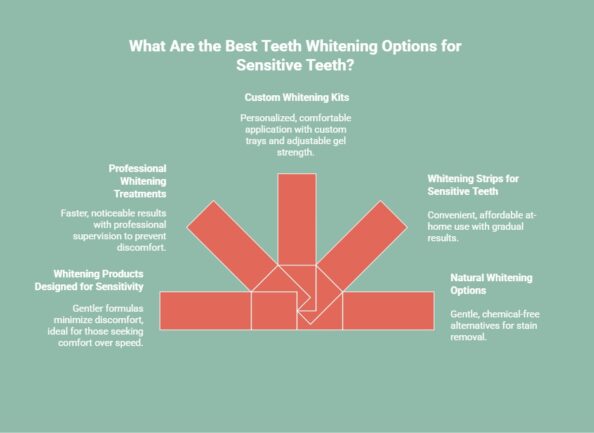
Choosing the right whitening method matters even more when you have sensitive teeth. The options below balance effectiveness with comfort, so you can improve tooth colour without worsening sensitivity.
1. Whitening Products Formulated for Sensitive Teeth
Whitening products designed for sensitive teeth use gentler formulations with reduced peroxide levels. This helps lift surface stains gradually without overwhelming the enamel or irritating the gums. While results may take longer to appear, these products are a safer starting point for people who already experience sensitivity and want noticeable improvement without added discomfort.
2. Professional Whitening Treatments
Professional whitening performed by a dentist offers the highest level of control for sensitive teeth. The strength, timing, and application are carefully adjusted to reduce irritation while still delivering faster results. Dentists can also protect the gums and monitor enamel health, making this a strong option for those who want effective whitening without guessing or trial and error.
3. Custom Whitening Kits From a Dentist
Custom whitening kits include trays made specifically for your teeth, which ensures even gel distribution and less gum exposure. The whitening formula is selected based on your sensitivity level, allowing for a slower, more controlled process at home. This option combines professional oversight with flexibility, making it ideal for people who want comfort and consistency over speed.
4. Whitening Strips for Sensitive Teeth
Whitening strips made for sensitive teeth contain lower peroxide concentrations and are designed for short, controlled wear times. They focus on gradually lifting surface stains from foods and drinks without aggressive bleaching. While they do not deliver dramatic results quickly, they are a convenient and affordable option for mild whitening when sensitivity is a concern.
5. Natural Whitening Options
Natural options such as activated charcoal or baking soda can help remove surface stains through gentle abrasion rather than chemical bleaching. These methods do not penetrate enamel and are less likely to trigger sensitivity. Results are subtle and slow, making them better suited for maintenance or mild discolouration rather than noticeable whitening transformations.
Ready for a brighter smile without the discomfort? Schedule a consultation with Dentist Tree of the Heights today to learn more about our professional whitening treatments designed specifically for sensitive teeth.
What Steps Should You Take Before and After Teeth Whitening?
Proper preparation and aftercare help improve whitening results while reducing sensitivity, especially for sensitive teeth.
Before Whitening
- Address existing oral health issues: Delay whitening if you have cavities, gum disease, or tooth decay, as whitening products can worsen sensitivity and irritation.
- Avoid staining foods and drinks: Skip coffee, tea, wine, and similar items for at least 24 hours before whitening to help products work more evenly.
- Check product ingredients: Choose whitening products formulated for sensitive teeth, ideally with lower peroxide concentrations to minimize discomfort.
After Whitening
- Avoid scraping or touching teeth: Your enamel may be temporarily softer, so avoid hard or sharp objects that could cause damage.
- Use a cold compress if needed: Applying a cold compress to the outside of your face can help calm lingering sensitivity or gum discomfort.
- Avoid smoking or tobacco: Refrain from tobacco use for at least 48 hours to prevent staining and protect sensitive enamel.
Following these before-and-after steps helps protect your enamel, reduce sensitivity, and ensure your whitening results last longer with less discomfort.
Want to go beyond whitening? Explore helpful cosmetic dentistry procedures that improve tooth shape, colour, and overall smile confidence.
How Long Does Teeth Sensitivity Last After Whitening?
The discomfort you might feel after a whitening treatment is almost always temporary. For most people, tooth sensitivity lasts anywhere from 24 to 48 hours. During this period, your tooth enamel is more permeable, and the protective layer known as the pellicle needs time to reform.
If your sensitivity persists for several days or feels severe, it’s a good idea to take a break from whitening and consult your Houston dentist. They can assess the situation to make sure there isn’t an underlying issue causing the prolonged discomfort.
In most cases, however, with proper care and a little patience, the sensitivity will subside on its own within a couple of days.
When Is It Best to Skip Whitening Treatments?
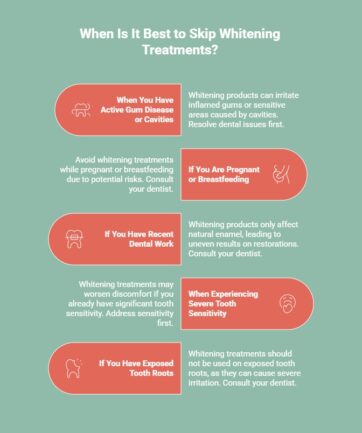
There are specific instances when whitening treatments could do more harm than good. To ensure the best results and protect your teeth, here’s when you should consider skipping whitening treatments:
- When You Have Active Gum Disease or Cavities: Whitening products can irritate inflamed gums or sensitive areas caused by cavities. If you have any dental issues, it’s important to resolve them before undergoing whitening treatments to prevent further damage.
- If You Are Pregnant or Breastfeeding: It’s advised to avoid teeth whitening treatments while pregnant or breastfeeding due to the potential risks posed by whitening agents. Always consult with your dentist if you’re considering whitening during this period.
- If You Have Recent Dental Work: Whitening products only affect natural tooth enamel, so using them on restorations like dental crowns or veneers can lead to uneven results. It’s best to consult your dentist before whitening if you have significant dental work.
- When Experiencing Severe Tooth Sensitivity: If you already suffer from significant tooth sensitivity, whitening treatments may worsen the discomfort. It’s important to address the sensitivity issue first with your dentist before attempting any whitening procedures.
- If You Have Exposed Tooth Roots: Whitening treatments should not be used on exposed tooth roots, as they can cause severe irritation. Consult your dentist to ensure your teeth are in the right condition for whitening.
Learn simple daily habits that protect enamel, reduce sensitivity, and help maintain your whitening results for a healthier smile.
How Can Dentist Tree of the Heights Enhance Your Whitening Experience?
At Dentist Tree of the Heights, teeth whitening is handled as a professional dental treatment, not a quick cosmetic fix. Every patient is evaluated first to ensure whitening is safe, especially if sensitivity or enamel concerns are present.
Their in-office whitening treatments focus on controlled stain removal while protecting enamel and minimizing discomfort. Treatment is monitored throughout to help prevent irritation and uneven results.
What this means for patients:
- A dental assessment before whitening
- Carefully applied whitening agents
- Reduced risk of sensitivity
- More even, predictable results
If you want noticeable whitening without trial-and-error products, professional care makes the difference. Book your whitening consultation online with Dentist Tree of the Heights for safer, more comfortable results.
Conclusion
Sensitive teeth whitening does not have to mean discomfort or guesswork. With the right products, careful habits, and realistic expectations, it is possible to brighten your smile while protecting your enamel. Understanding the causes of sensitivity, spacing treatments properly, and choosing gentler options all make a meaningful difference.
For those who want safer, more predictable results, professional whitening provides added reassurance. A thoughtful approach ensures you can achieve a whiter smile comfortably, without compromising your long-term dental health.
Frequently Asked Questions
Which toothpaste is best for sensitive teeth after whitening?
The best toothpaste for post-whitening sensitivity is desensitizing toothpaste containing potassium nitrate, acetaminophen, or stannous fluoride. These ingredients block nerve pathways, reducing discomfort. Consult your dentist for ADA-approved options for proven effectiveness.
When should I contact a dentist about sensitivity after teeth whitening?
Contact your dentist if sensitivity lasts for more than a few days or becomes severe. Persistent discomfort may indicate underlying dental issues. Dentist Tree of the Heights can assess your situation and recommend the appropriate treatment.
Is it normal to have severe tooth sensitivity after teeth whitening?
Mild to moderate sensitivity is a common side effect after whitening, but severe discomfort is not. If you experience intense pain, stop the treatment immediately and consult your dentist, as it could be due to an overly strong whitening agent.
How to help sensitive teeth after whitening?
To help sensitive teeth after whitening, use a desensitizing toothpaste regularly. Over-the-counter pain relievers may also be suggested by your dentist, along with fluoride treatments to strengthen enamel and reduce discomfort, helping you achieve long-lasting whitening results with minimal sensitivity.
How to reduce teeth sensitivity after whitening?
To reduce sensitivity, apply fluoride treatments, use desensitizing toothpaste, and avoid hot or cold foods and drinks for a few days post-treatment. If discomfort persists, consider topical pain relievers and consult your dentist for additional advice and treatment.
Can I prevent tooth sensitivity before starting a whitening treatment?
Yes, you can prevent sensitivity by using desensitizing toothpaste a few weeks before whitening. Consult Dentist Tree of the Heights about fluoride treatments or desensitizing gels to strengthen enamel and minimize discomfort during the whitening process. These are some of the best ways to ensure a smoother whitening experience.
Do whitening strips cause more sensitivity than other whitening methods?
Whitening strips can cause more sensitivity, especially if they have a high hydrogen peroxide concentration. Custom trays from your dentist often provide a more controlled application, reducing irritation and minimizing discomfort compared to over-the-counter whitening strips.
How will you know if you are having a sensitivity issue?
Sensitivity issues may occur if you experience sharp pain when consuming hot, cold, sweet, or acidic foods. If discomfort persists or worsens during whitening, consult a dental professional to ensure your enamel is healthy and treatment is appropriate.