

Key Highlights
- Severe pain, swelling, or infection often means an emergency tooth extraction is needed to prevent further complications.
- Common signs include throbbing pain, gum swelling, bleeding, fever, or a broken or loose tooth.
- Extractions may be simple (for visible teeth) or surgical (for impacted or fractured teeth).
- During treatment, the dentist numbs the area, removes the tooth safely, and provides aftercare instructions for smooth healing.
- Recovery usually takes about a week, with soft foods, pain relief, and proper oral hygiene helping speed up healing.
- Costs range from $150–$600, depending on complexity and insurance coverage; most clinics offer flexible payment plans or financing.
- For fast, gentle, and professional emergency dental care in Houston, visit Dentist Tree of the Heights
- for same-day relief.
Severe tooth pain can strike without warning, whether from a deep infection, sudden trauma, or a cracked tooth that worsens overnight. When pain becomes intense or swelling starts to spread, an emergency tooth extraction may be the only way to bring fast relief and protect your overall health.
We understand that the thought of an extraction can feel stressful, especially during a dental emergency. That is why our dental team focuses on gentle and immediate care to stop pain, control infection, and help you recover comfortably. Every step is explained clearly so you always know what is happening and why.
In this guide, you will learn when an emergency extraction is needed, what to expect during treatment, how much it typically costs, and how our clinic manages urgent dental cases, even for patients without insurance.
Not Sure If It’s a Dental Emergency? Here’s How to Know
Knowing when to seek urgent dental care can make all the difference between saving a tooth and preventing a serious tooth extraction emergency. While not every toothache requires removal, some symptoms signal that an emergency extraction of the tooth may be necessary. Acting quickly helps stop pain, control infection, and protect your overall health.
Common Signs You May Need an Emergency Extraction
Tooth pain can be tricky, but your body often gives clear signals when something is seriously wrong. Watch for these common signs that you may need an emergency extraction:
- Severe or throbbing tooth pain that does not ease with medication
- Swelling in your gums, jaw, or face
- Bleeding that will not stop
- Fever or pus around a tooth (a sign of infection or abscess)
- A tooth that has cracked, broken, or loosened from trauma
When an Extraction Becomes the Only Way to Stop the Pain?
Some dental issues progress too far for root canals, fillings, or crowns to fix. In those cases, removing the tooth is the safest way to prevent further damage. You might need an emergency extraction if you have:
- Deep decay that reaches the nerve and causes infection
- A severely fractured or impacted tooth (often a wisdom tooth)
- A dental abscess spreading into the surrounding tissue
- Extreme pain or pressure preventing you from eating or sleeping
If these symptoms appear after hours, do not wait for the pain to worsen. Many clinics provide same-day care or 24-hour emergency support to treat these urgent situations quickly and safely.
For patients in Houston, Dentist Tree of the Heights offers prompt, gentle emergency care to help you find relief fast.
Simple or Surgical: What’s the Difference in Tooth Extractions?
When you hear the words “tooth extraction,” it might sound intimidating, but understanding the process can make it much less stressful.
There are two main types of extractions your dentist may recommend, depending on how damaged or positioned your tooth is. Both are common procedures that help protect your oral health and prevent further complications.
1. Simple Extraction

A simple extraction is the most common type and is typically used when the tooth is visible above the gum line.
Here’s what usually happens:
- Your dentist gently numbs the area with a local anesthetic so you will not feel pain, only a little pressure.
- Once the area is numb, special instruments are used to loosen the tooth before carefully removing it.
- The procedure usually takes only a few minutes, and recovery tends to be quick and smooth.
This approach works best for teeth that are damaged, loose, or decayed but not severely infected or broken below the surface.
2. Surgical Extraction

A surgical extraction is used when the tooth is harder to reach, for example, if it is broken at the gum line, impacted, or surrounded by bone.
Here’s what to expect:
- Your dentist or oral surgeon will numb the area to ensure you remain comfortable.
- A small incision may be made in the gum to access the tooth. Sometimes, a small amount of bone needs to be removed to free the tooth.
- Once removed, the site is cleaned and may be closed with a few stitches to help it heal properly.
This method is common for impacted wisdom teeth or complex dental emergencies. If you ever require an emergency room dental extraction, your dentist will review your X-rays and explain which type of procedure is safest and most effective for your situation. Both methods aim to get you out of pain quickly and help you heal comfortably.
If you need safe, gentle, and professional tooth extraction treatment, visit Dentist Tree of the Heights.
What to Expect During an Emergency Dental Extraction?
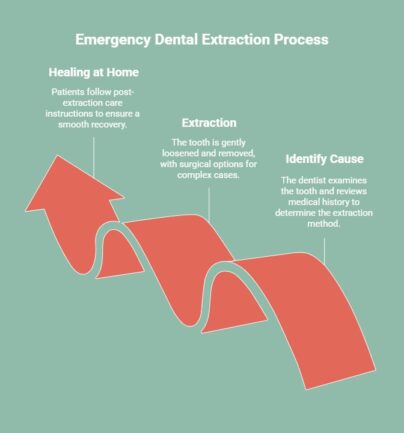
If you are in pain and your dentist recommends an extraction, it is natural to feel a little nervous about what comes next. The good news is that an emergency extraction is a simple, well-managed procedure that quickly relieves pain and promotes healing.
Understanding what happens before, during, and after your appointment can help you feel more relaxed and prepared.
Step One: Understanding What’s Causing the Pain
Your visit begins with an exam to identify the exact cause of your pain. A quick X-ray will show whether the tooth can be saved or needs to be removed.
Here’s what happens during this stage:
- Your dentist reviews your medical history and discusses any medications you are taking.
- The entire process is explained clearly, so you know what to expect.
- Local anesthesia is given to numb the area completely before treatment begins.
- If you are feeling anxious, light sedation can be provided for extra comfort.
If you have an infection, your dentist may prescribe antibiotics to keep it from spreading.
Step Two: The Extraction Process
Once you are comfortable and the area is fully numb, your dentist begins the procedure. Here is what happens next:
- For a simple extraction, the tooth is gently loosened and lifted from its socket.
- For a surgical extraction, a small incision may be made in your gum to reach the tooth if it is broken, impacted, or below the surface.
- After removal, the area is cleaned carefully to eliminate bacteria and prevent infection.
Most emergency dentist tooth extraction procedures take less than an hour. The goal is to protect your oral health and promote proper healing after the procedure.
Step Three: Healing Comfortably at Home
After the extraction, your dentist will provide clear instructions to help you recover quickly. These steps will help speed up healing:
- Bite gently on gauze for about 30 to 45 minutes to manage bleeding.
- Apply a cold compress to reduce swelling and discomfort.
- Stick to soft foods like yogurt, smoothies, and soup for a few days.
- Avoid using a straw or smoking to prevent dry socket.
- Take any prescribed pain relievers or antibiotics as directed.
Most patients start to feel better within a day, with full recovery in about a week. Your dentist may schedule a follow-up to check your healing progress and ensure everything looks healthy.
How Affordable Is Emergency Tooth Extraction Treatment?
Cost is often one of the first concerns during a dental emergency, and understanding what to expect can ease a lot of that stress. The price for an extraction depends on the complexity of the procedure and whether you have dental insurance.
Average Cost Overview
For most patients, a simple extraction typically costs between $150 and $300, while a surgical extraction ranges from $250 to $600 or more.
Your emergency tooth extraction cost can also vary if treatment is needed after hours or involves additional anesthesia. Before starting the procedure, your dentist will always explain the estimated cost so there are no surprises.
Insurance and Payment Options
Dental insurance coverage varies depending on your plan and the type of procedure. Many trusted clinics, including Dentist Tree of the Heights, accept a wide range of PPO plans to make emergency care more accessible and affordable.
If you do not have insurance, most dental offices offer flexible payment solutions such as:
• Monthly payment plans that spread out treatment costs
• CareCredit or other third-party financing programs
• Discounts for upfront payments or in-office membership plans
These options make it easier to get the care you need right away without added financial stress.
Why Quick Action Matters?
Delaying an emergency extraction might seem like a way to save money, but waiting can lead to more pain, infection, and higher costs later. Getting treated right away protects your oral health and helps you avoid future dental expenses.
Want to know which insurance plans are accepted or how to manage treatment costs? Check out our insurance and payment options for complete details.
Why Choose Dentist Tree of the Heights for Emergency Dental Care?
Tooth pain can strike without warning, and when it does, every minute feels longer. At Dentist Tree of the Heights, we understand how urgent and stressful dental emergencies can be, and we are ready to help the moment you call.
We combine advanced technology with a caring, experienced team to treat everything from severe toothaches to emergency extractions. Our goal is to make sure you feel calm, cared for, and confident at every step. With same-day availability, flexible payment options, and acceptance of most PPO insurance plans, we make emergency dental care simple, fast, and stress-free.
If you are in pain or need an emergency tooth extraction, Call Dentist Tree of the Heights today at 281.849.8858.
Final Words
Tooth pain has a way of demanding attention, a quiet reminder that your smile deserves care before discomfort takes over. It is not just about fixing a problem but about choosing to protect your comfort, health, and confidence before it is too late.
Emergencies may come without warning, but the decision to act quickly is always in your hands. When you take that step, you are not only ending pain but taking back control of your well-being and giving your smile the attention it truly deserves.
Frequently Asked Questions (FAQ)
How soon should an emergency tooth extraction be performed after symptoms appear?
An emergency tooth extraction should be done as soon as possible after symptoms like severe pain, swelling, or trauma appear. In severe cases involving infection, immediate action is critical to prevent further spread.
Will I experience pain during or after an emergency tooth extraction?
You will not feel pain during the procedure due to local anesthesia. Mild soreness afterward is normal and can be managed easily with pain relievers and proper aftercare.
Can I drive myself home following an emergency tooth extraction?
If only local anesthesia is used, you can drive yourself home. However, if sedation is given, arrange for someone to drive you for safety.
Which is the best place to get a broken tooth pulled fast?
The best place is an emergency dental clinic like Dentist Tree of the Heights in Houston. The team offers same-day appointments, gentle extractions, and quick pain relief for broken or damaged teeth.
Should I get an emergency tooth extraction on the weekend?
Yes, if you have severe pain, swelling, or infection. Many emergency dentists provide weekend services to handle urgent cases and prevent the problem from worsening.
Why was my emergency tooth extraction so painful?
Pain may occur if an infection, inflammation, or dry socket develops afterward. It usually improves with proper aftercare and medication, but you should contact your dentist if pain worsens or persists.
What does it cost to have a tooth pulled?
A simple extraction usually costs between $150 and $300, while a surgical extraction ranges from $250 to $600 or more, depending on the tooth’s condition and anesthesia used.
How can extractions be prevented?
Regular dental checkups, daily brushing and flossing, and prompt treatment for cavities or gum disease can help prevent tooth extractions. Early care keeps teeth healthy and avoids emergencies.
What should I look for when searching for an emergency extraction near me?
When searching for an emergency extraction nearby, look for a clinic offering same-day or 24-hour emergency dental extraction, experienced dentists, and modern equipment to ensure quick, safe, and comfortable treatment during urgent dental situations.
Can I get an emergency tooth extraction with no insurance?
Yes, many dental clinics offer emergency tooth extraction no insurance options, including flexible payment plans, financing programs, and cash discounts. This ensures patients can receive immediate care without delaying treatment due to financial concerns.
What should I do immediately if I have severe tooth pain before seeing a dentist?
If you have severe tooth pain, rinse your mouth with warm salt water, take an over-the-counter pain reliever, and apply a cold compress to reduce swelling. Avoid very hot or cold foods and contact your dentist as soon as possible.