

Key Highlights
- The high cost of dental care is driven by expensive equipment, materials, sterilisation standards, and dental office overhead.
- Dental care costs often seem higher than other medical services due to the limitations of dental insurance, such as low annual maximums.
- Prices for dental procedures vary based on the complexity of the treatment, the dentist’s expertise, and the geographic location of the practice.
- Dental insurance helps but doesn’t guarantee affordability, often covering only a percentage of major procedures.
- Investing in preventive dental care is crucial for your overall health and can help you avoid more expensive treatments later.
Have you ever looked at a dental bill and wondered why the costs are so high?
It’s frustrating when a simple toothache turns into a treatment plan that costs more than you expected. Or when insurance only covers part of the bill, leaving you wondering how to fit it into your budget.
Many people delay dental visits because of cost, but that often leads to bigger, more expensive problems later.
This guide helps you understand where those numbers come from, what drives dental prices up, and how to make smart choices that protect both your smile and your wallet.
Why Are Dental Care Costs a Growing Concern?
It’s no secret that dental bills have been climbing in recent years, and for many families, keeping up with those costs has become a real challenge. Unlike other areas of healthcare, dental expenses often come directly out of pocket, which makes them feel heavier on the household budget.
So, what’s driving these rising costs?
- Limited Insurance Coverage: Dental insurance hasn’t kept pace with modern treatment costs. Most plans still cap coverage around $1,000 to $2,000 per year, an amount that hasn’t changed much since the 1980s, even though dental prices have nearly tripled.
- High Overhead Costs for Clinics: Running a dental practice is expensive. Advanced equipment, sterilisation systems, dental materials, and staff training all add up, and those costs are reflected in treatment prices.
- Technology and Material Advancements: Modern dentistry uses high-end materials, digital imaging, and precision tools to improve outcomes and comfort. While these innovations make treatments safer and longer-lasting, they also increase costs.
- Preventive Care Often Delayed: Many people skip regular checkups because of cost concerns, only to need more complex (and expensive) treatments later, like root canals or crowns instead of simple fillings.
- Out-of-Pocket Reality: Unlike medical insurance, which covers large, unexpected expenses, dental plans are structured more like maintenance plans. That means patients shoulder most of the financial responsibility once coverage limits are met.
What Types of Dental Services Are Included in Cost Comparisons?
If you’ve ever compared dental costs online or between clinics, you’ve probably noticed that prices can vary quite a bit. That’s because dental care covers a wide range of treatments, from simple cleanings to complex procedures.
Most dental offices group their services into categories based on the type of care you need. Let’s have a look at what those are.
1. Preventive Care
These are the routine visits that keep your teeth and gums healthy year-round. They help catch small issues before they turn into bigger (and more expensive) problems.
Includes cleanings, checkups, X-rays, and fluoride treatments.
2. Restorative Dentistry
If a tooth gets damaged, decayed, or lost, restorative treatments repair or replace it so you can chew and smile comfortably again.
Includes fillings, crowns, bridges, and dentures.
3. Cosmetic Dentistry
Cosmetic dentistry is all about confidence, helping you love the look of your smile. These treatments focus on improving colour, shape, and overall appearance. Includes whitening, veneers, and bonding.
4. Orthodontic Treatments
Whether you’re a teen or an adult, orthodontics can help straighten teeth and correct bite issues for better function and a more balanced smile. Includes braces and clear aligners like Invisalign.
5. Periodontal (Gum) Care
Healthy gums are just as important as healthy teeth. Periodontal treatments treat gum disease and protect the bone that supports your teeth.
Includes deep cleanings and gum surgery.
6. Oral Surgery
Sometimes, oral health needs go beyond general care. Oral surgery helps with more complex issues like wisdom teeth removal or dental implants. Includes tooth extractions, implants, and bone grafts.
7. Pediatric Dentistry
Kids need care that fits their stage of growth. Pediatric dentistry focuses on prevention, comfort, and building positive dental habits early on.
Includes sealants, fluoride treatments, and early orthodontic evaluations.
8. Emergency Dental Care
Toothaches, broken teeth, or sudden pain can happen anytime. Emergency dental care helps relieve discomfort fast and prevent further damage.
Includes toothache relief, temporary restorations, and abscess treatment.
Estimated Price Ranges for Common Dental Services
Here’s a breakdown of typical dental service categories and their estimated price ranges:
- Preventive Care: Cleaning, X-rays, exams, fluoride treatment. $75 to $250. Often covered by insurance.
- Restorative Dentistry: Fillings, crowns, bridges, dentures. $150 to $3,000+. Cost depends on materials used.
- Cosmetic Dentistry: Teeth whitening, veneers, bonding. $300 to $2,500 per tooth. Usually not covered by insurance.
- Orthodontics: Braces, clear aligners. $3,000 to $8,000. Long-term treatment option.
- Periodontal Care: Deep cleaning, gum surgery. $200 to $2,500 per session. Varies by severity of gum disease.
- Oral Surgery: Tooth extraction, implants, and bone graft. $150 to $5,000+. Cost depends on surgical complexity.
- Pediatric Dentistry: Cleanings, sealants, and early orthodontic evaluation. $75 to $400. Specialized child dental care.
- Emergency Dental Care: Toothache relief, abscess drainage, temporary restoration. $100 to $1,500+. Depends on urgency and procedure.
Disclaimer: The prices listed above are general estimates based on typical U.S. dental care costs. Actual fees may vary depending on your location, the complexity of treatment, materials used, and your dentist’s expertise. Insurance coverage also differs by provider and plan, so it’s best to confirm exact costs with your dental office before treatment.
Why Do Some Dental Procedures Cost More Than Others?
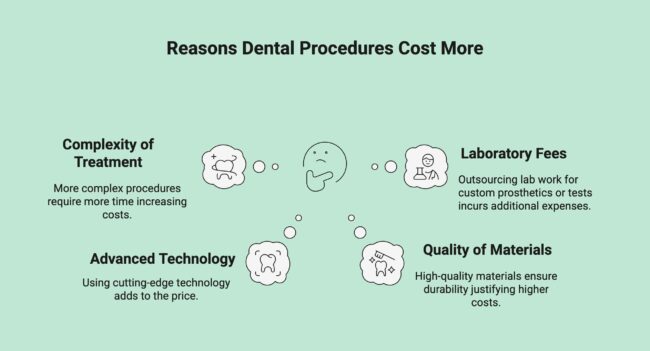
If you’ve ever been surprised by a dental bill, you’re not alone. The truth is, dental costs can vary a lot, and several factors determine why one treatment might cost much more than another.
Complexity of Treatment
Not every dental procedure takes the same time or skill. A simple cleaning is quick and routine, while treatments like implants, orthodontics, or veneers require advanced training and precision. The more complex the procedure, the longer it takes — and the higher the cost.
Use of Advanced Technology
Modern tools like digital X-rays, intraoral scanners, and 3D imaging make dental care more accurate and comfortable. But this technology comes with high setup and maintenance costs, which are reflected in the price of advanced treatments.
Quality of Materials Used
From metal fillings to porcelain or zirconia crowns, material quality directly affects both cost and outcome. Premium materials look more natural, last longer, and resist wear, meaning you’re paying for durability and aesthetics.
Laboratory and Technician Fees
Custom restorations such as crowns and dentures are crafted by skilled technicians in dental labs. Their expertise ensures a precise fit and natural look, but this personalised work adds to the overall treatment cost.
How Does Location Impact Dental Costs?
Where you receive care in the United States makes a difference.
- In major cities, high rents and wages drive up costs at dental clinics.
- In rural areas, prices may be lower, but access to specialised dental services can be limited.
- Regional economics influence insurance plans and treatment pricing, meaning a crown in New York might cost twice as much as in West Virginia.
How Does Dental Insurance Really Work?
Dental insurance might seem similar to regular health insurance, but it works very differently. Instead of protecting you from large, unexpected bills, dental coverage mainly helps with routine maintenance, things like cleanings, checkups, and fillings.
Here’s what typically happens when you use dental insurance:
You visit your dentist for preventive care or treatment, the office submits the claim, and your insurance pays a portion of the cost, not the whole thing. What you pay depends on your plan’s coverage level, annual maximum, and deductible.
What Is the 100-80-50 Rule?
Most dental plans follow what’s known as the 100-80-50 structure:
- 100% coverage for preventive care (cleanings, exams, X-rays)
- 80% coverage for basic treatments (like fillings or simple extractions)
- 50% coverage for major procedures (such as crowns, bridges, or dentures)
On top of that, dental insurance often comes with annual maximums ($1,000 to $2,000), deductibles, and waiting periods, which means patients are still responsible for a significant share of their dental costs once those limits are reached.
Why Doesn’t Insurance Guarantee Affordability?
Having dental plans or private dental insurance can certainly reduce costs, but it doesn’t make treatment free. Several built-in limitations keep patients responsible for a significant share:
- Annual Maximums
- Most insurance plans cap yearly coverage at $1,000–$2,000.
- Once you hit that limit, you pay 100% of the remaining costs yourself.
- Coverage Percentages
- Preventive care may be fully covered, but crowns, implants, and bridges are usually only 50% covered.
- That leaves patients paying hundreds, even thousands, out of pocket.
- Deductibles and Waiting Periods
- Plans often require you to pay a deductible before benefits kick in.
- Some major treatments are only covered after a waiting period of 6–12 months.
- Cosmetic Dentistry Exclusions
- Services like whitening, veneers, or elective orthodontics are rarely included in insurance coverage.
Bottom line: Insurance helps with routine care but doesn’t protect against major financial strain, especially for big procedures.
How Does Oral Health Affect Overall Well-Being?
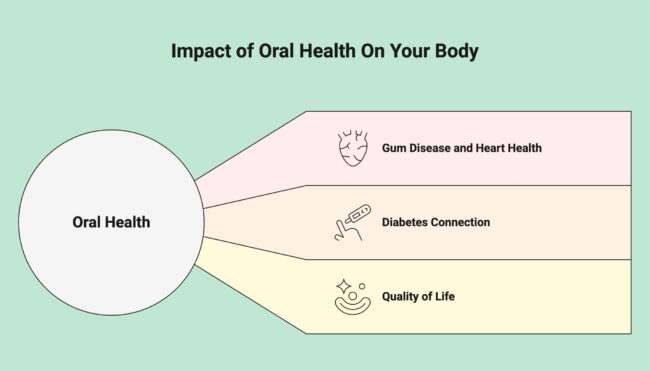
The link between your mouth and your body is stronger than many realise:
- Gum Disease and Heart Health: Gum infections don’t stay in your mouth. The inflammation can enter your bloodstream and increase the risk of heart disease. Keeping your gums healthy helps protect your heart, too.
- Oral Health and Diabetes: Poor oral hygiene can make blood sugar harder to control, especially for people with diabetes. Healthy gums make it easier to manage blood sugar and prevent complications.
- Healthy Teeth, Confident Smile When your teeth and gums are in good shape, eating, speaking, and smiling all feel effortless — and your confidence naturally shines through.
- Dental Health, Mental Health: Missing or painful teeth can affect how you eat and even how you feel about yourself. Good oral health supports better nutrition, comfort, and self-esteem.
How Does Preventive Care Save Money?
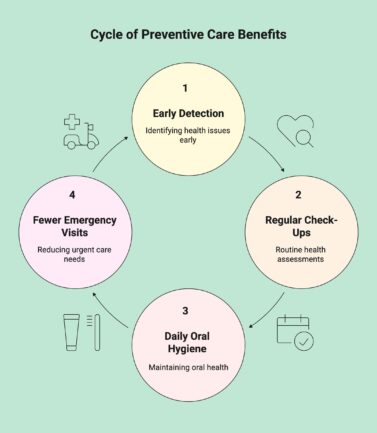
Preventive care is the most cost-effective strategy in dentistry. Here’s why:
- Early Detection Saves Big Costs: Catching a tiny cavity during a $100 filling appointment can prevent the need for a $1,200 crown later. Early intervention keeps your teeth and your budget in better shape.
- Regular Check-Ups Reduce Risk: Routine cleanings and exams help your dentist find early signs of decay, gum disease, or bite issues. Treating these early prevents painful, expensive treatments later.
- Daily Oral Hygiene Matters: Brushing twice a day, flossing, and using fluoride toothpaste aren’t small habits; they’re your best defence against cavities and gum disease. Consistency keeps dental bills lower over time.
- Fewer Emergency Visits: Staying on top of preventive care reduces the chance of sudden pain or infection. Avoiding dental emergencies means fewer unexpected (and expensive) root canals or extractions.
Think of it this way: every dollar spent on preventive visits saves you multiples in future treatment costs.
What Are Practical Ways to Manage Dental Care Costs?
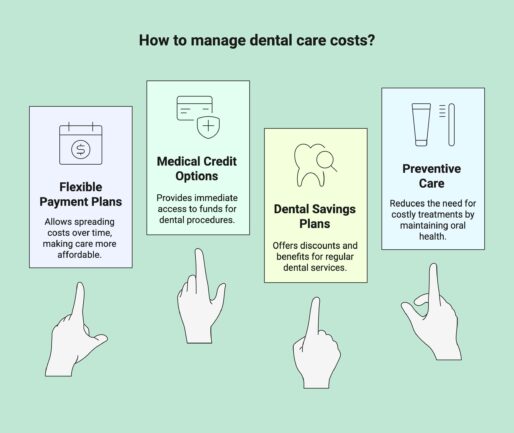
Managing expenses doesn’t mean avoiding treatment. With smart financial planning, you can get the care you need without overwhelming your budget.
- Ask About Flexible Payment Plans: Many dental clinics offer monthly payment options that spread costs over time, making care easier to manage without large upfront expenses.
- Use Medical Credit Options: Credit programs like CareCredit are designed for healthcare costs, often offering low or no-interest plans if payments are made on time.
- Explore Dental Savings or Membership Plans: Some practices provide in-house membership programs that offer discounted rates on exams, cleanings, and treatments for a small annual or monthly fee a great alternative if your insurance is limited.
- Prioritise Preventive Care: Regular visits and good daily hygiene will always be the most affordable long-term strategy. Prevention costs far less than repair.
Why Choose Dentist Tree of the Heights for Your Smile?
At Dentist Tree of the Heights, we believe a healthy, confident smile should be simple and stress-free. From preventive dental cleanings that stop cavities early to emergency dental care that restores your comfort fast, our expert team covers every stage of oral health.
Missing teeth? Our natural-looking dental implants bring back your smile, while orthodontics and Invisalign straighten it with ease.
Cosmetic dentistry and oral surgery are all under one roof, making your every visit convenient. With advanced technology, gentle care, and affordable options, we’re here to make every appointment smooth, comfortable, and worth smiling about.
Contact us today to get all your dental needs addressed!
Conclusion
Understanding the costs associated with dental care can be overwhelming, yet it’s crucial for maintaining your oral health. From the expenses of routine procedures to the factors that drive prices up, being informed empowers you to make better decisions regarding your dental care.
Frequently Asked Questions
Why is dental work so expensive even with insurance?
Dental work remains expensive with insurance because dental benefits have limitations. Most plans have low annual maximums, deductibles, and only cover a percentage (often 50%) of major procedures. This means the patient is still responsible for a significant portion of the cost of dental care, especially for extensive treatments.
How can I reduce my dental care costs?
You can reduce dental care costs by prioritising preventive care to avoid bigger issues. Maximise your dental insurance by staying in-network, and ask your dentist about payment plans or financing options. You can also consider a dental savings plan for discounts if you don’t have good dental coverage.
Is delaying dental care because of cost a common problem?
Yes, it is very common. The financial burden of dental care expenses causes many people to postpone or avoid dental treatment. Unfortunately, delaying care often allows minor issues to become more severe and costly to fix, which can negatively impact long-term dental health.
How to prevent dental care from being expensive?
Focus on preventive care like regular check-ups, strong oral hygiene, and early treatment. Using in-network dentists, dental plans, or savings programs also keeps costs manageable and avoids major expenses later.
Dental care difference between cheap and expensive dentists?
Cheaper dentists may use basic materials and limited technology, while expensive dentists invest in advanced technology, premium materials, and more experienced staff, often delivering longer-lasting, aesthetically superior results with higher costs.
Is Investing in Dental Care Worth the Cost?
Yes, because dental care isn’t just about maintaining a bright smile, it’s essential to your overall health care. Preventive care and timely treatments protect you from future complications that affect both your health and your wallet.
Is emergency dental care expensive?
Emergency dental care is usually expensive due to unplanned treatment, specialised staff availability, and limited time to compare costs, leading to higher fees than scheduled routine care or preventive visits.
How expensive is private dental care?
Private dental care varies widely but is often costly, with routine cleanings ranging $100 to $200, crowns $500 to $3,000, and implants $3,000 to $5,000, depending on clinic location, materials, and complexity.