

Key highlights
- Most people should visit the dentist every 6 months, but frequency may increase to every 3–4 months based on oral health conditions
- The earliest dentist appointment time is usually around 8 AM, and morning slots help reduce wait times and delays
- Dentist appointments are typically available between 8 AM and 5 PM, with limited evening or weekend options
- Spring and fall are ideal times of the year to schedule visits for better availability and insurance usage
- Kids should also visit every 6 months, with closer monitoring for cavities, growth, and habits
- Routine checkups help catch tooth decay, gum issues, and other problems early, reducing the need for complex treatments
- At Dentist Tree of the Heights, we make it easy to stay consistent with flexible scheduling, comfortable care, and a full range of dental services
Most people only go to the dentist when something starts hurting, and that’s often where problems begin. According to the World Health Organization, oral diseases affect nearly 3.7 billion people worldwide, many of whom are preventable with regular care. But it’s not just about going to the dentist. When you go can make a real difference.
Choosing the right time for your appointment can mean fewer delays, less waiting, and a more relaxed experience. It also makes it easier to stay consistent with visits, find convenient slots, and avoid last-minute rushes after work or school.
This guide will help you get it right. You’ll learn the best time to go to the dentist, how often you should visit, and how to choose appointment timings that fit your routine and support better long-term dental health.
How Many Times a Year Should You Visit the Dentist?
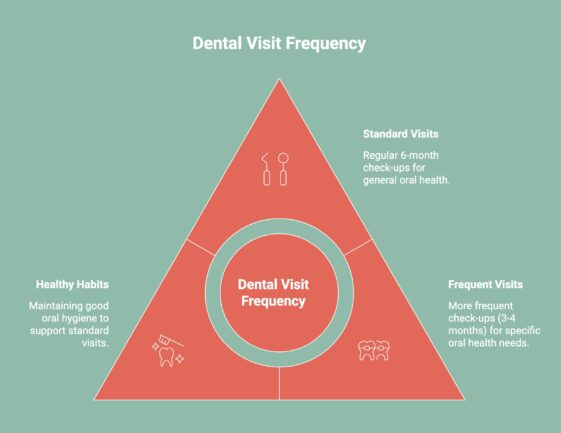
The simple answer is twice a year, but that’s just a starting point. Your ideal schedule depends on your oral health, habits, and risk level.
For most people, visiting every 6 months helps keep teeth clean and catches issues early. But if your dental health needs more attention, you may need to go more often.
You may need more frequent visits (every 3–4 months) if you:
- Have gum disease or a history of cavities
- Wear braces or aligners
- Smoke or use tobacco
- Have diabetes or other health conditions affecting oral health
You may be fine with standard 6-month visits if you:
- Have healthy teeth and gums
- Maintain good brushing and flossing habits
- Don’t have recurring dental issues
The key is not to follow a fixed rule but to stay consistent. Regular visits help prevent problems instead of dealing with them later.
And, if your visit involves cosmetic work, timing matters even more. Here’s a quick guide on veneers vs crowns to help you prepare before booking your appointment.
When Is the Best Time of Year to Visit the Dentist?
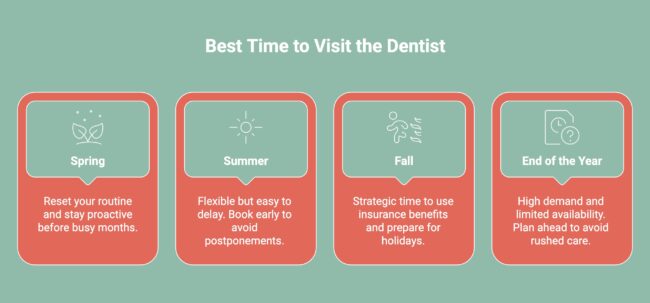
Most people focus on the time of day, but the time of year can also make a big difference. Planning your dental visits seasonally can help you stay consistent, avoid scheduling issues, and make better use of your insurance.
1. Spring: A Fresh Start Before Busy Months
Spring is a great time to reset your routine and stay proactive. Booking a checkup now helps you take care of any issues before summer travel and events begin. It also gives you a clean slate if you’ve delayed visits earlier in the year.
2. Summer: Flexible but Easy to Delay
Summer offers more flexibility for many people, especially families and students. However, vacations and changing schedules can lead to postponements. If you plan a summer visit, it’s best to book early so it doesn’t get pushed back.
3. Fall: The Most Strategic Time
Fall is one of the smartest times to schedule a dental visit. It allows you to use any remaining insurance benefits before they expire, get your smile ready for the holiday season, and avoid the last-minute rush in December when clinics are fully booked.
4. End of the Year: High Demand and Limited Availability
Towards the end of the year, many people try to use their remaining benefits, which makes appointments harder to secure. Waiting until this time can limit your options and lead to rushed or delayed care.
The key is to plan ahead. You don’t need a perfect season, but choosing the right time of year can make your dental visits more convenient and stress-free.
Is There an Ideal Time of Day for Dental Visits?
Choosing the right time of day for your dental visit can significantly improve your experience. While any appointment is better than no appointment, certain times might work better for you.
Many people prefer morning appointments. Being the first appointment of the day often means less waiting and a dental team that is fresh and focused. It also lets you get your visit out of the way and move on with your day without interruption.
However, afternoon appointments are popular for those who need to schedule around work or school. Here’s a quick breakdown:
- Early Morning: Ideal for avoiding delays and starting your visit on schedule. With fewer earlier appointments, clinics tend to run more smoothly, making it a great time for efficient, stress-free care.
- Late Morning/Early Afternoon: Often a quieter time in the office, balancing morning and afternoon rushes.
- Late Afternoon: Convenient for after-work or after-school visits, though clinics may be busier. This time works best for short, routine checkups or cleanings, rather than longer or more complex procedures that may require extra time and focus.
Want a quick smile boost before your dental visit? This guide on baking soda teeth whitening explains if it’s a safe and effective option.
What Time Are Dentist Appointments Usually Available?
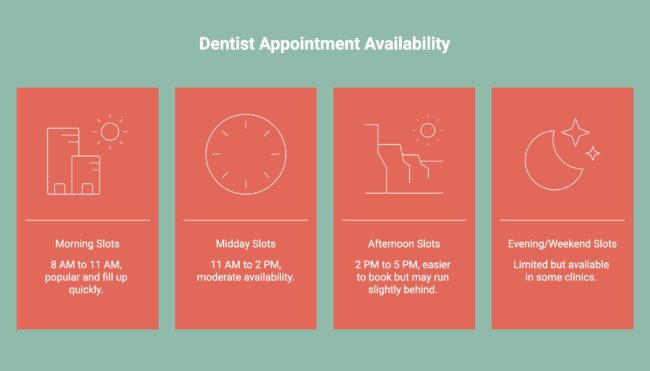
Most dental clinics follow standard working hours, so you’ll typically find appointments available between 8 AM and 5 PM. These are general estimates, and actual timings can vary depending on the clinic, location, and dentist availability.
Many clinics also offer extended hours to accommodate busy schedules, but availability depends on the practice.
Here’s what you can generally expect:
- Morning slots (8 AM – 11 AM): Popular and fill up quickly
- Midday slots (11 AM – 2 PM): Moderate availability
- Afternoon slots (2 PM – 5 PM): Easier to book but may run slightly behind
- Evening or weekend slots: Limited but available in some clinics
If you’re aiming for a specific time, especially early morning, it’s best to book in advance since these slots tend to fill up first. This also helps you choose the right time to visit your dentist based on your schedule and preferences.
Why Are Routine Dental Checkups Necessary?
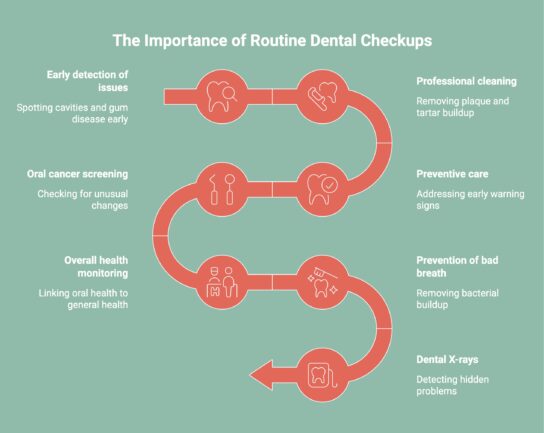
Routine dental checkups are not just a formality. Each part of the visit plays a specific role in keeping your teeth, gums, and overall health in good shape. Here’s why each of these matters:
- Early detection of issues: Problems like cavities and gum disease often don’t cause pain in the beginning. Regular checkups help spot them early, so you can treat them before they become serious, painful, or expensive.
- Professional cleaning (plaque and tartar removal): Even with good brushing, plaque can harden into tartar over time. This buildup can’t be removed at home and can lead to decay or gum disease if left untreated.
- Preventive care: Dentists can catch early warning signs like sensitivity, minor enamel damage, or gum inflammation. Addressing these early helps you avoid more complex treatments later.
- Oral cancer screening: Dentists check your mouth, tongue, and surrounding areas for unusual changes. Early detection is critical because oral cancer is much easier to treat in its initial stages.
- Overall health monitoring: Your oral health is closely linked to your general health. Signs in your mouth can sometimes indicate conditions like diabetes or heart issues, making dental visits an important part of overall health care.
- Prevention of bad breath: Persistent bad breath is often caused by bacterial buildup. Regular cleanings remove these bacteria and help keep your breath fresh.
- Dental X-rays: Some problems develop beneath the surface, like impacted teeth, bone loss, or hidden decay. X-rays help detect these issues early, before they worsen.
In short, routine checkups are necessary because they focus on prevention, early detection, and long-term health, not just fixing problems when they appear.
When Is It Better to Reschedule Your Dentist Appointment?
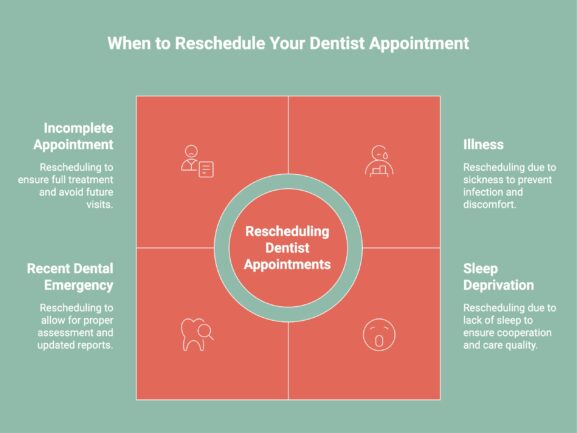
Sometimes the issue isn’t the time of day, it’s the situation you’re in. Showing up at the wrong time physically or mentally can make your visit uncomfortable, less effective, or even lead to incomplete treatment. In these cases, rescheduling is the smarter choice.
Consider rescheduling if:
- You’re sick or have a cold/fever: Dental visits require close contact and keeping your mouth open for extended periods. If you’re unwell, it can be uncomfortable for you and increase the risk of spreading infection to others.
- You’re extremely sleep-deprived: Procedures require you to stay still and follow instructions. If you’re tired, it’s harder to stay relaxed and cooperative, which can affect the quality of care.
- You’ve had a recent dental emergency treated elsewhere: Your dentist may need updated reports or time to assess your condition properly before continuing treatment. Rushing in without context can lead to misaligned care.
- You can’t stay for the full appointment: Cutting an appointment short can mean incomplete cleaning, missed problem areas, or the need to come back again sooner than expected.
Dental visits work best when you’re comfortable, prepared, and able to give the appointment your full attention. If that’s not the case, it’s better to reschedule than go through a rushed or ineffective visit.
Tired of Delaying Dental Visits? Here’s How Dentist Tree of the Heights Makes It Easier
Let’s be honest. Most people don’t skip dental appointments because they don’t care. They skip them because it feels inconvenient, stressful, or hard to fit into a busy schedule. Dental care should feel simple and manageable, not something you keep putting off.
At Dentist Tree of the Heights, we focus on making your visits smooth, comfortable, and easy to stay consistent with. Whether you’re coming in for a routine checkup or a more advanced treatment, our goal is to make the experience work for you.
Here’s what you can expect:
- Everything you need in one place: From cleanings and exams to cosmetic treatments, orthodontics, and emergency care, we handle it all under one roof
- A comfort-first experience: We create a relaxed, patient-friendly environment so your visits feel easy, not overwhelming
- Modern, efficient care: We use updated technology to make treatments quicker, more precise, and more comfortable
- Convenience that fits your routine: Our approach is designed to help you stay on track with regular visits instead of delaying them
If you’ve been putting off dental care, sometimes the solution isn’t more motivation. It’s choosing a place that makes the process simple and stress-free.
Final Words
If there’s one thing to take away, it’s this. There’s no perfect time that works for everyone, but there is a right time for you. The real difference comes down to consistency, not timing.
Pick a time that fits your routine, book it in advance, and follow through. That’s what keeps your dental care simple and stress-free.
Start with one step. Schedule your next visit and stick to it.
Frequently Asked Questions
When is the earliest dentist appointment time?
The earliest dentist appointment time is usually around 8 AM, though it can vary by clinic. These early slots are popular for shorter wait times and efficient visits, so booking in advance helps secure your preferred timing.
What are the signs that I should visit the dentist soon?
Watch for tooth decay, early gum inflammation, pain, or sensitivity. These dental problems can turn into serious issues if ignored. The best way is proactive care. Don’t wait until the last minute; schedule your next appointment today.
Can I schedule a dental checkup even if I have no symptoms?
Yes, routine dental visits on a regular basis are the best way to maintain a healthy smile. Professional dental cleaning prevents small problems and oral health issues. Proactive care supports good oral hygiene and long-term care of your teeth.
What can happen if I skip regular dentist appointments?
Skipping routine dental visits allows plaque buildup, leading to tooth decay, gum disease, and other oral health problems. Small issues can turn into serious issues requiring complex dental treatments like root canals, increasing cost and discomfort over time.
Is going to the dentist four times a year too much?
Not necessarily. Visiting four times a year can be beneficial for people with higher oral health needs, such as gum disease or frequent cavities. More frequent dental cleaning supports proactive care and helps maintain good oral hygiene.
What is the 3-3-3 rule in dentistry?
The 3-3-3 rule suggests brushing your teeth three times a day, for three minutes each time, and visiting the dentist every three months. It promotes proactive care, reduces dental problems, and supports long-term oral health.
Can a dentist detect lymphoma?
Dentists can sometimes spot signs of lymphoma during routine dental visits by checking for unusual swelling, lumps, or oral health issues. Early detection of serious issues during exams helps guide patients toward timely medical evaluation and treatment.
What time do dentists usually open?
Typical dentist hours are between 8 AM and 5 PM, though this can vary. Some clinics offer evening or weekend appointments. Scheduling in advance helps you choose the best time for a dentist appointment and avoid last-minute booking issues.
How often should kids go to the dentist?
Children should visit the dentist every six months for routine checkups and cleanings. Some may need more frequent visits based on cavity risk, oral habits, or orthodontic needs. Early visits support healthy teeth and long-term dental habits.