

Key Highlights
- The Invisalign treatment uses a series of clear, custom-made aligners to gradually shift your teeth.
- It’s a modern orthodontic solution that can correct various issues like crowded teeth, gaps, and bite problems.
- Your dentist creates a personalized treatment plan to help you achieve a straight smile.
- Unlike metal braces, these aligners are nearly invisible and can be removed for eating and cleaning.
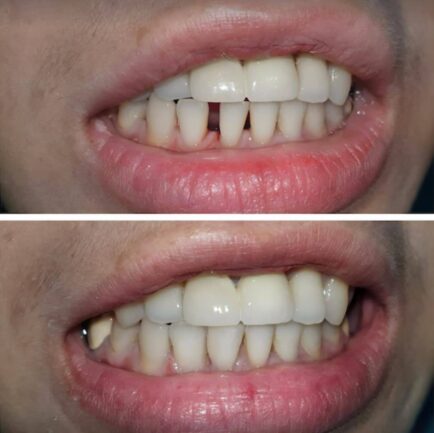
- Seeing before and after photos can help you understand the amazing transformations possible with Invisalign.
Are you dreaming of a straighter, more confident smile but feel hesitant about traditional braces? You’re not alone. Modern orthodontics offers a discreet and effective solution that is transforming smiles everywhere.
The Invisalign treatment is a popular choice for both teens and adults looking to improve their dental alignment without the look of metal wires and brackets.
This guide will walk you through what to expect, showcasing real before and after results to help you envision your own journey to a new smile.
What Is Invisalign and How Does It Work?
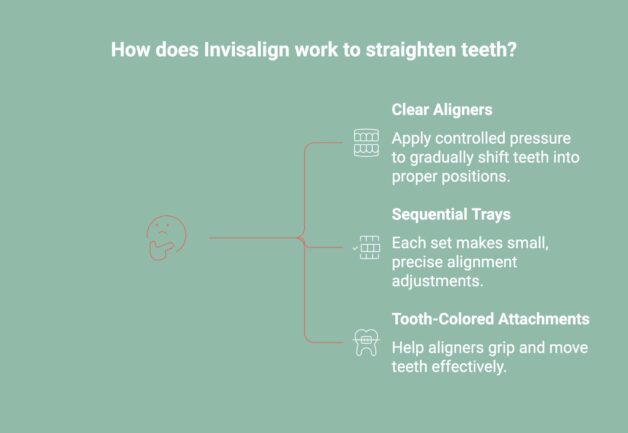
Invisalign is a modern orthodontic treatment that straightens teeth using custom-made, clear aligner trays. Designed for comfort and discretion, it gradually moves teeth into alignment without metal brackets. Treatment follows a planned sequence tailored to your smile goals.
Here’s how the Invisalign system guides your teeth into better alignment.
- Clear, custom aligners apply controlled pressure to gradually shift teeth into proper positions.
- Sequential trays are worn daily, with each set making small, precise alignment adjustments.
- Tooth-colored attachments may be added to help aligners grip and move teeth effectively.
At the end of Invisalign treatment, alignment changes are clearly visible while maintaining normal routines.
What Changes Can You Expect in Your Smile With Invisalign?
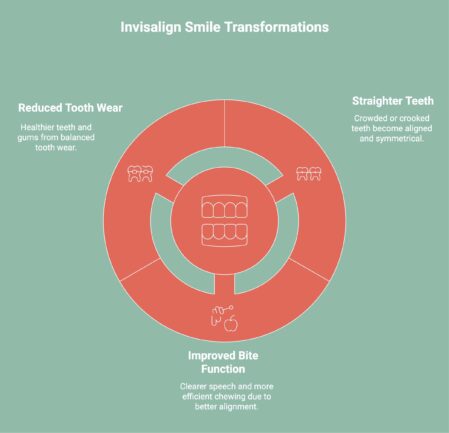
Invisalign treatment leads to visible and functional improvements in your smile over time. As teeth gradually shift, alignment, symmetry, and bite balance improve together. These changes enhance appearance while supporting better oral function and long-term dental health.
Here are the most common smile transformations patients experience during and after treatment.
- Crowded, crooked, or spaced teeth become straighter, creating a more balanced, symmetrical smile.
- Improved tooth alignment enhances bite function, supporting clearer speech and more efficient chewing.
- Proper alignment reduces uneven tooth wear, contributing to healthier teeth and gums long term.
Invisalign delivers both aesthetic confidence and functional benefits that extend well beyond treatment completion.
To learn more about how much Invisalign costs in Houston, Texas, read this detailed guide.
How Do Invisalign Results Differ by Dental Issues?
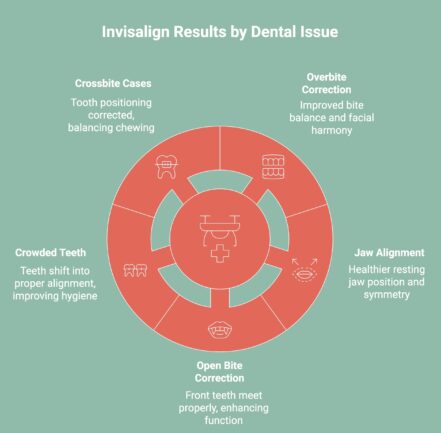
Invisalign results vary based on your starting alignment, bite structure, and treatment complexity. Each plan is customised to address specific dental concerns, meaning outcomes differ in timing and appearance. From minor spacing to complex bite corrections, results reflect your unique orthodontic needs.
Below are common dental issues and how Invisalign results typically progress for each condition.
1. Invisalign Results for Overbite Correction
Patients reviewing Invisalign before and after overbite cases often notice improved bite balance and facial harmony. Invisalign gradually repositions upper and lower teeth to reduce overlap, supporting better jaw alignment, improved chewing efficiency, and reduced strain on front teeth over the course of treatment.
2. Jaw Alignment Improvements With Invisalign
When comparing Invisalign jaw before and after results, changes are usually subtle but impactful. Proper tooth positioning helps the jaw settle into a healthier resting position, improving bite function and symmetry. These adjustments can also support reduced jaw discomfort and improved long-term oral balance.
5. Correcting an Open Bite With Invisalign
In open bite before and after Invisalign cases, the front teeth are gradually guided to meet properly. This improves biting and speech function while enhancing smile aesthetics. Results depend on severity, but consistent aligner wear often delivers meaningful closure and functional improvement over time.
6. Treating Crowded Teeth Using Invisalign
Patients comparing Invisalign before and after crowding typically see teeth gradually shift into proper alignment. Invisalign creates space through controlled movement, reducing overlap and improving symmetry. This not only enhances appearance but also makes oral hygiene easier and more effective.
7. Invisalign Outcomes for Crossbite Cases
With Invisalign crossbite before and after results, the improvements focus on correcting tooth positioning across the bite. Proper alignment helps balance chewing forces and reduce uneven wear. While complex cases may take longer, Invisalign can deliver noticeable functional and aesthetic benefits.
Understanding the before and after Invisalign reality is important for patient satisfaction. Results are gradual, not instant, and depend on consistency and case complexity.
To learn how exactly Invisalign works to make your smile better, read this detailed guide.
How Do Invisalign Results Differ for Adults and Teens at Different Stages?
Invisalign works effectively for both adults and teens, but treatment goals, timelines, and compliance factors can differ. Age, dental history, and lifestyle influence how results progress. Regardless of stage, professional evaluation and consistent aligner wear determine overall treatment success.
Here’s how Invisalign aligners’ results typically compare between adults and teens.
- Adults often address long-standing cosmetic or bite issues, sometimes influenced by prior dental work.
- Teens benefit from a discreet alternative to braces during formative years, supporting confidence and compliance.
- Final alignment results are similar for both groups when treating issues like crowding or spacing.
- Teen success depends heavily on consistent wear, often supported by compliance-focused aligner features.
- Adults may progress steadily but require planning around restorations, crowns, or previous orthodontic treatments.
Across all ages, wearing aligners as prescribed remains the most important factor in achieving predictable Invisalign results and a beautiful smile.
What Are the Benefits of Clear Aligner Therapy?
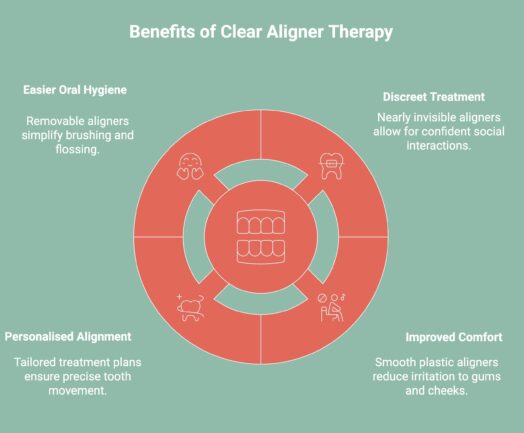
Clear aligner therapy offers a modern, comfortable approach to straightening teeth without the visibility of metal braces. Designed for convenience and discretion, it supports both aesthetic and functional improvements. Treatment is personalised, making it effective for a wide range of alignment and bite concerns.
Here are the key benefits patients experience with clear aligner therapy.
1. Discreet and Confidence-Friendly Treatment
Clear aligners are nearly invisible when worn, allowing you to smile, speak, and interact confidently throughout treatment. Unlike metal braces, they blend seamlessly with your natural teeth, making them an appealing option for adults and teens seeking subtle orthodontic correction.
2. Improved Comfort Compared to Braces
Aligners are custom-made from smooth plastic, reducing irritation to gums and cheeks. Without brackets or wires, discomfort is generally milder and easier to manage, making daily wear more comfortable while still delivering consistent, controlled tooth movement.
3. Personalised and Effective Alignment
Each treatment plan is tailored to individual dental needs, whether correcting crowding, spacing, or anterior open bites. This customised approach ensures precise tooth movement, helping achieve predictable results while supporting balanced bite function and long-term oral health.
4. Easier Oral Hygiene and Lower Decay Risk
Removable aligners make brushing and flossing simple, unlike traditional braces. This improves daily oral hygiene, reduces plaque buildup, and lowers the risk of cavities or gum issues during treatment, supporting healthier teeth throughout the alignment process.
Clear aligner therapy combines comfort, discretion, and effectiveness, making it a popular choice for achieving a healthier, straighter smile.
Worried whether Invisalign hurts or not before starting treatment? Read this detailed guide to learn what to expect during an Invisalign treatment.
Is Invisalign Right for Everyone?
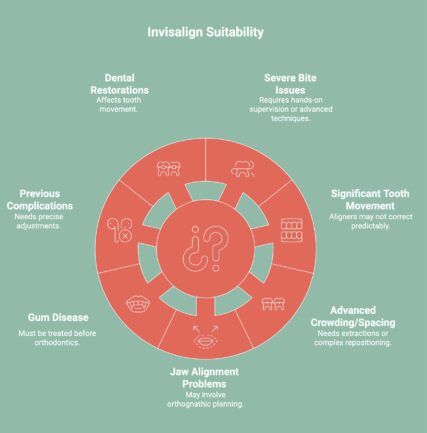
Invisalign works well for many mild to moderate alignment concerns, but it isn’t the right solution for every patient. Certain dental and bite conditions require close, hands-on supervision or more advanced orthodontic techniques that can’t be managed with clear aligners alone. A clinical evaluation is necessary to determine the safest and most effective treatment path.
You may need to undergo a provider-led, in-office orthodontic procedure if you have:
- Severe bite issues, such as pronounced overbite, underbite, crossbite, or open bite.
- Significant tooth rotation or vertical movement that aligners alone may not correct predictably.
- Advanced crowding or spacing that requires extractions or complex repositioning.
- Jaw alignment problems (skeletal malocclusion) that may involve orthognathic planning.
- Active gum disease or poor periodontal health that must be treated before orthodontics.
- Previous orthodontic complications or relapse cases needing precise adjustments.
- Dental restorations such as crowns, bridges, or implants that affect tooth movement.
An in-person orthodontist can assess these factors using X-rays, bite analysis, and clinical exams. This ensures your treatment plan prioritises long-term oral health, not just cosmetic improvement.
Why Is Dentist Tree of the Heights the Best Dentist in Houston, TX for Invisalign Treatment?
Dentist Tree of the Heights is a trusted, full-service dental office dedicated to helping patients achieve confident, healthy smiles at every stage of life. Our experienced team combines advanced technology with personalized care to deliver precise, comfortable Invisalign treatment tailored to your goals.
From your initial consultation to your final before and after Invisalign results, we focus on clarity, comfort, and predictable outcomes. Whether you’re correcting crowding, gaps, or bite concerns, our approach ensures your treatment fits your lifestyle and delivers visible progress. Patients choose us not just for results, but for transparency, support, and long-term oral health.
Ready to transform your smile? Book your Invisalign consultation with Dentist Tree of the Heights today and take the first step toward a straighter, more confident smile.
Conclusion
Invisalign offers a remarkable journey towards a confident smile, tailored to your unique dental needs. Throughout this blog, we’ve explored how this innovative clear aligner therapy works and what you can realistically expect from your before-and-after outcomes.
From understanding the transformations that occur based on your individual dental concerns to comparing results between adults and teens, the insights provided are designed to help you make an informed decision. Remember, the journey to a perfect smile begins with the right information and guidance.
Frequently Asked Questions
How long does it take to notice visible results with Invisalign?
Most patients notice subtle tooth movement within a few months. Invisalign works gradually, so early Invisalign before and after changes appear first in alignment and spacing, becoming increasingly visible as you progress through each aligner stage of the treatment plan.
Do Invisalign before-and-after outcomes vary based on starting dental concerns?
Yes, before and after invisalign results depend on your starting condition. Mild crowding, gaps, or rotations show different transformations than complex bites, because treatment length, attachments, and aligner movements are customized to address each patient’s specific orthodontic needs.
Is there a way to preview my potential Invisalign before and after smile?
During your consultation, providers use 3D scans to simulate outcomes. These digital previews function like Invisalign before and after pictures, showing step-by-step tooth movement and a projected final smile, helping set realistic expectations before treatment officially begins.
Are there any common disappointments or limitations people experience in their Invisalign before and after results?
Some people expect faster changes or perfection. Invisalign before and after results may be limited by compliance, complex bite issues, or refinements needed near the end, meaning additional aligners or time may be required to achieve optimal outcomes and straight teeth.
How long does it usually take to see visible results with Invisalign?
Visible Invisalign progress typically appears within several months, depending on wear consistency and alignment goals. Minor spacing or crowding adjusts sooner, while more complex movements take longer, becoming noticeable gradually as each aligner set advances during treatment phases.
What is the 30-minute rule for Invisalign?
The 30-minute rule suggests limiting aligner removal time. Invisalign should be worn most of the day, removing trays briefly for eating and cleaning, then reinserting promptly to maintain consistent pressure and keep treatment progressing as planned daily.
Are there any common disappointments or limitations people experience in their Invisalign before and after results?
Disappointments often relate to expectations. Invisalign results depend on discipline, starting complexity, and refinements. Some cases require attachments or extra trays, so final outcomes may differ slightly from early projections despite overall significant improvements over the treatment duration period.
What do Invisalign results look like after 6 months?
Many patients reviewing Invisalign before and after 6 months photos notice visible straightening and early bite improvements. While treatment may not be complete, this stage often shows reduced crowding, improved spacing, and better alignment, reinforcing confidence to continue treatment.