

Key Highlights
- The cost difference between Invisalign and braces depends on case complexity, not just the treatment type
- Traditional braces are often more affordable for complex alignment issues, while Invisalign may cost less for simpler cases
- Invisalign vs braces cost is influenced by treatment length, follow-up visits, and customisation needs
- Different types of braces come with different price ranges, which can shift the comparison with Invisalign
- Dental insurance often applies to both Invisalign and braces, helping reduce overall out-of-pocket costs
- Choosing the right option involves balancing cost, comfort, lifestyle, and long-term treatment value
Choosing an orthodontic treatment is an exciting step, but cost is often the first concern that surfaces. Many patients wonder whether Invisalign is actually cheaper than braces, or if the convenience of clear aligners comes at a higher price. With so many opinions online, it can be difficult to separate assumptions from facts.
The right choice is not just about numbers. Factors like treatment length, case complexity, lifestyle preferences, and follow-up care all influence the overall cost of orthodontic treatment. Understanding how these elements affect pricing helps you weigh short-term expenses against long-term value.
In this guide, we compare Invisalign and traditional braces in detail. You will learn what influences their costs, how pricing differs from patient to patient, and which option may better suit your budget, comfort, and everyday routine.
Is Invisalign Cheaper Than Braces?
When comparing orthodontic options, one of the most common questions patients ask is: Is Invisalign cheaper than braces?
- At first glance, traditional metal braces often appear to be the more affordable option, especially for complex alignment or bite issues.
- Braces have been used for decades and remain a highly effective and budget-friendly solution in many cases.
That said, the answer is not always straightforward. In certain situations, particularly for mild to moderate alignment concerns, Invisalign may actually cost less overall.
- Fewer in-office adjustments and a shorter treatment timeline can sometimes reduce the total expense.
- Ultimately, the severity of your dental concerns plays a larger role than the treatment type itself.
Understanding Invisalign vs braces cost requires looking beyond initial price tags and considering how your individual needs affect treatment planning.
How Much Does Invisalign Cost in the United States?
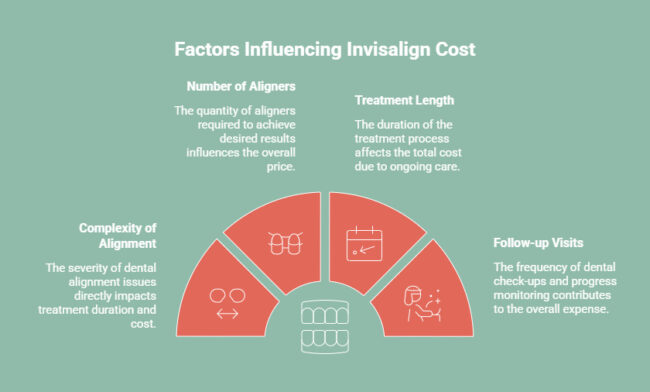
In the United States, Invisalign treatment typically costs between $3,000 and $8,000, depending on how complex your case is and how long treatment will take. While that range gives a general idea, your exact cost is based on how much tooth movement is needed and the level of customization your smile requires.
When reviewing Invisalign braces pricing, several clinical and logistical factors shape the final cost, including:
- The complexity of your alignment or bite issues
- The number of aligners needed to achieve the desired results
- The total length of treatment
- The frequency of follow-up visits and progress checks
More complex cases often require additional aligners and longer treatment timelines, which can increase overall cost. A consultation with your dentist or orthodontist allows for a detailed assessment and a clear explanation of how Invisalign cost vs braces applies to your specific needs, helping you plan with confidence.
Not sure how Invisalign works? Discover how clear aligners straighten teeth and what happens at each stage of treatment.
How Much Do Braces Cost Compared to Invisalign?
Braces are not a one-size-fits-all treatment, and their cost can vary widely based on the type you choose. This is why braces vs Invisalign price comparisons often depend on more than just whether you select aligners or brackets.
Different brace options come with different price points and levels of visibility. Understanding these differences helps put the Invisalign cost vs braces into a clearer perspective.
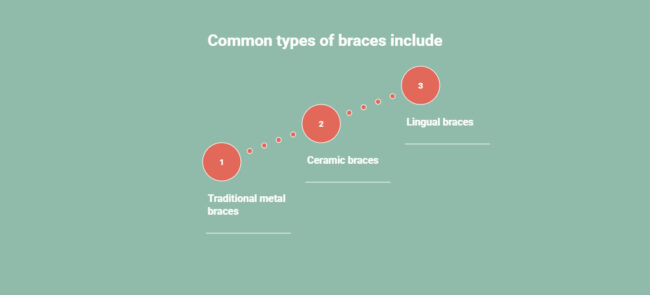
Common types of braces include:
- Traditional metal braces are usually the most affordable and effective. They typically cost $3,000 to $7,000. They are highly effective for mild to complex alignment and bite issues.
- Ceramic braces, designed to blend with natural tooth color, ceramic braces generally range from $4,000 to $8,000. They are less noticeable than metal braces, but can be slightly more fragile and costly.
- Lingual braces, placed behind the teeth for maximum discretion, lingual braces often cost $8,000 to $10,000 or more. They require specialized placement and adjustments, which increases the price.
When comparing Invisalign cost vs braces, braces may be less expensive or more costly depending on the material and placement chosen. This is why a personalised evaluation is essential to determine which option offers the best balance of effectiveness, comfort, and value for your specific needs.
Worried about discomfort during Invisalign treatment? Learn what Invisalign really feels like, when soreness is normal, and how to stay comfortable throughout the process.
What Factors Affect the Cost of Invisalign vs Braces?
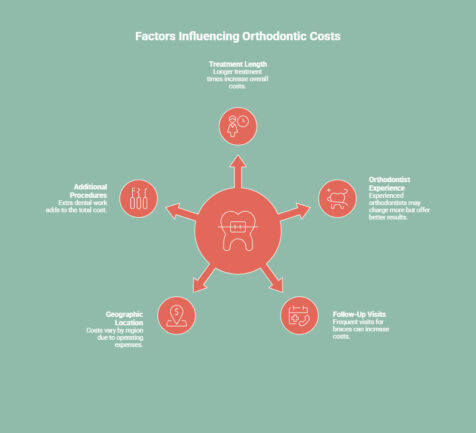
The cost of Invisalign vs braces varies because treatment is tailored to each patient rather than priced as a standard service. Differences in dental needs, treatment planning, and follow-up care all influence how much time, expertise, and resources are required to achieve proper alignment.
1. Treatment Length and Complexity
Treatment complexity is the biggest factor affecting cost. Mild alignment issues usually require less time and fewer adjustments, while complex bite or spacing problems involve longer treatment and closer monitoring. Extended timelines increase the overall cost for both Invisalign and braces.
2. Orthodontist Experience and Technology
The provider’s experience and use of advanced technology can influence pricing. Practices that use digital scans, treatment simulations, and precise planning tools may charge more, but these tools often improve accuracy and treatment efficiency.
3. Follow-Up Visits and Adjustments
Traditional braces generally require more frequent in-office adjustments than Invisalign. More visits can increase overall cost, while fewer check-ins may make Invisalign a more cost-efficient option for certain cases.
4. Geographic Location of the Dental Practice
Orthodontic costs can vary by location due to differences in operating expenses and local demand. Pricing may differ even between practices in the same city, making consultations important.
5. Additional Procedures or Mid-Treatment Changes
Some patients may need extra dental care before or during Invisalign treatment, such as tooth extractions, attachments, refinements, or retainers after completion. Mid-treatment adjustments or replacement aligners can also add costs if plans change. Discussing these possibilities early helps avoid unexpected expenses and keeps your treatment timeline on track.
Understanding these factors helps you compare options more confidently and choose a treatment that fits both your dental needs and budget.
Curious about how much Invisalign costs in Houston? This guide breaks down pricing factors, insurance considerations, and what to expect before starting treatment.
How Does Treatment Duration And Complexity Affect Invisalign?
Invisalign treatment time depends on how much correction your teeth need. Because aligners work in a planned sequence, simpler cases move through fewer stages, while complex issues require more aligners and refinements.
Treatment timelines often look like:
- Mild spacing or crowding may be corrected in about six to 12 months
- Moderate alignment or bite issues typically take 12 to 18 months
- Complex tooth movements or bite adjustments can extend treatment to 18 to 24 months or longer
- Refinement aligners may be needed if teeth do not move exactly as projected
As treatment length increases, so does the number of aligners, monitoring needs, and overall costs.
How Does Treatment Duration And Complexity Affect Braces?
Braces apply continuous pressure because they are fixed to the teeth, which makes them especially effective for more advanced orthodontic corrections. This constant force allows for detailed control over tooth and bite movement.
Treatment duration usually depends on:
- Mild alignment cases that may take around 12 months
- Moderate crowding or bite issues often last 18 to 24 months
- Severe crowding, jaw alignment concerns, or major bite problems that may require two years or more
- Ongoing in-office adjustments to guide and fine-tune tooth movement
Longer and more complex cases require more appointments, supervision, and adjustments, which increases the total cost of treatment.
Does Insurance Cover Invisalign and Braces?
Insurance coverage is an important factor when comparing orthodontic options. Many dental insurance plans include orthodontic benefits that apply to both Invisalign and traditional braces, which can help reduce overall treatment costs.
Coverage details vary by plan, but benefits are often structured similarly regardless of the treatment type. Understanding what your plan offers makes it easier to compare Invisalign cost vs braces with realistic expectations.
Common insurance considerations include:
- A percentage of the treatment cost is covered by the plan
- A lifetime maximum benefit for orthodontic care
- Eligibility requirements or waiting periods
- Coverage applied equally to Invisalign and braces in many plans
Reviewing your benefits early allows you to plan more confidently and avoid unexpected out-of-pocket expenses.
Is Invisalign Worth the Cost?
Deciding whether Invisalign is worth the investment comes down to what matters most to you. While Invisalign can be more expensive than braces in some cases, many patients find value in the added comfort and flexibility.
Invisalign may be worth considering if you prioritize:
- A discreet appearance during treatment
- Removable aligners for easier eating and oral hygiene
- Fewer in-office adjustment visits
For patients with complex alignment needs, traditional braces may offer better value and effectiveness. The best option balances cost, clinical needs, and how the treatment fits into your daily life.
When To Choose Braces?
Braces may be the better choice when treatment effectiveness and control are the top priorities. While they are more visible, they can offer advantages for certain dental conditions and do not rely on patient compliance in the same way as aligners do.
Braces may be worth considering if you prioritize:
- Treatment for more complex bite or alignment issues
- A fixed appliance that works continuously without needing to be removed
- Greater control over tooth movement for significant corrections
For some patients, braces provide stronger predictability for complex cases and can deliver excellent long-term results. The right decision depends on clinical needs, lifestyle preferences, and your dentist’s professional recommendation.
Why Patients Choose Dentist Tree of the Heights for Invisalign?
Choosing Invisalign is not just about clear aligners. It is about having the right clinical support throughout treatment. At Dentist Tree of the Heights, patients receive guidance that goes beyond a standard consultation, with a focus on comfort, clarity, and long-term results.
From the first visit, the team takes time to understand your smile goals, oral health needs, and lifestyle preferences. Treatment plans are personalised, and pricing is explained clearly, including how Invisalign compares with braces and what insurance may cover.
Patients value Dentist Tree of the Heights for:
- Personalised Invisalign treatment plans tailored to individual needs
- Clear explanations of Invisalign vs braces costs and payment options
- Support with insurance benefits and flexible financing
- Modern technology for precise planning and predictable results
- Ongoing guidance to keep treatment on track
This patient-centred approach helps make Invisalign treatment more comfortable, informed, and confidence-building from start to finish.
Ready to start your Invisalign journey or explore your treatment options? Book your consultation with Dentist Tree of the Heights today and take the first step toward a confident, straighter smile.
Final Thoughts
So, is Invisalign cheaper than braces? The answer depends on your individual needs, not just the treatment type. Factors like case complexity, treatment length, lifestyle preferences, and insurance coverage all play a role in overall cost.
While braces may offer better value for complex cases, Invisalign can be a cost-effective and convenient option for others. A personalised consultation is the best way to understand your options and choose a treatment that fits both your smile goals and budget.
Frequently Asked Questions
Is Invisalign usually less expensive than traditional braces?
Invisalign is often similarly priced or slightly more expensive than traditional braces. However, for mild alignment issues, Invisalign may cost less overall due to shorter treatment time and fewer adjustment visits compared to full braces treatment.
Do payment plans differ between Invisalign and braces?
Most dental offices offer similar payment plans for Invisalign and braces. Monthly instalments, in-house financing, and insurance benefits are typically applied the same way, helping patients manage orthodontic costs over time regardless of treatment type.
Do dentists prefer Invisalign or braces?
Dentists recommend treatment based on clinical needs, not preference. Braces are often preferred for complex cases requiring precise movement, while Invisalign may be recommended for simpler alignment issues where aesthetics, comfort, and removability are priorities.
What affects the cost of Invisalign vs braces?
Costs are influenced by treatment complexity, duration, type of braces or aligners, provider experience, location of the practice, and insurance coverage. More complex cases usually require longer treatment, which increases the overall cost for both options.
Has anyone regretted getting Invisalign instead of braces?
Regret is uncommon but can occur if aligners are not worn as directed. Inconsistent wear can slow progress, reduce effectiveness, extend treatment time, and increase overall cost compared to following the recommended daily wear schedule.
What do real patients say about the costs of Invisalign versus braces?
Most patients report that cost differences matter less than comfort, appearance, and lifestyle fit. Many feel Invisalign is worth the investment for convenience, while others value braces for their effectiveness in more complex orthodontic cases.
Are there hidden costs with Invisalign or braces that people should know about?
Potential additional costs may include retainers, replacement aligners, extra adjustments, or pre-treatment dental work. Asking about these early helps avoid surprises and ensures you understand the full cost of your orthodontic treatment.
Is Invisalign or braces more affordable in certain locations or states?
Yes. Orthodontic costs can vary by location due to differences in operating expenses, local demand, and provider competition. Treatment in larger cities or high-cost areas is often more expensive than in smaller towns or regions with lower overhead.
Is Invisalign cheaper than braces for adults?
Invisalign is not always cheaper than braces for adults. Both typically range from $3,000 to $8,000, depending on case complexity. Minor alignment issues may cost less with aligners, while complex bite problems can raise costs for either option. A consultation gives the most accurate comparison.