

Key Highlights
- Your Invisalign treatment uses gentle pressure from clear aligners to move your teeth.
- It’s normal to feel mild discomfort, especially when you first start or switch to a new set of aligners.
- This feeling is a good sign that your orthodontic treatment is working as planned.
- Any soreness typically fades within a few days as your teeth adjust.
- You can manage discomfort with simple remedies like soft foods, cold compresses, and pain relievers.
- Compared to traditional braces, Invisalign is generally a more comfortable experience.
Thinking about straightening your teeth can feel exciting, but the worry about pain during treatment often gets in the way of moving forward.
Everyone wants a beautiful, confident smile without dealing with constant soreness or irritation. Invisalign was created with comfort in mind, offering a much gentler and more flexible experience than traditional braces, with only mild, temporary pressure as your teeth begin to shift into alignment.
If you want a clear picture of what Invisalign actually feels like day to day and how to stay comfortable throughout treatment, keep reading. This guide will walk you through what to expect and how to manage any discomfort with confidence.
Why Does Invisalign Hurt and What Does It Feel Like?
Invisalign hurts because it’s actively working to move your teeth into better alignment.
If you’re considering Invisalign or just getting started, it’s totally normal to wonder if it hurts. Most people do feel some discomfort, especially when switching to a new set of aligners.
But the reassuring truth is that it’s usually mild, temporary, and a clear sign that your teeth are moving the way they should. It’s more like pressure than real pain, and your mouth adjusts quickly within a few days.
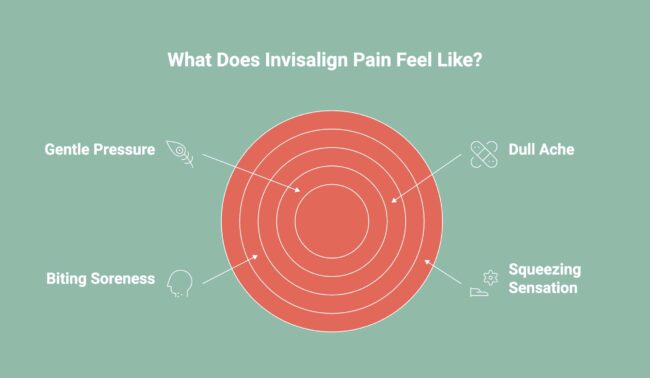
Here’s what the pain normally feels like;
• Gentle pressure or tightness on your teeth.
• A dull ache rather than sharp pain.
• Mild soreness when biting or chewing during early adjustment days.
• A light squeezing sensation as teeth begin shifting.
These sensations are temporary and typically fade within a few days, reassuring you that your aligners are actively working to move your teeth into their new positions.
If you want to understand what really goes into keeping your teeth healthy for life, and how simple habits now can save you pain and money later, read Why Is Dental Care So Expensive? Understanding the Costs.
When Is It Normal For Invisalign To Hurt?
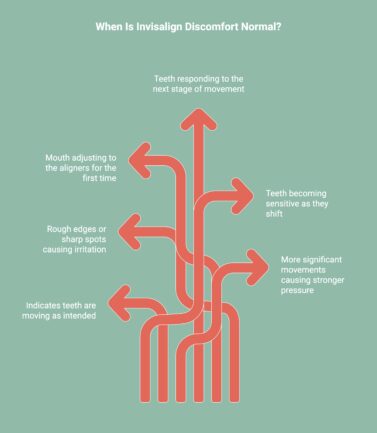
Feeling some soreness with Invisalign is completely normal, especially in the beginning or when changing to a new tray. A little discomfort simply means your aligners are actively moving your teeth in the right direction.
Below are the most common reasons you might feel tenderness and what they actually mean for your progress.
1. Gentle Pressure That Moves Your Teeth
Invisalign works by applying steady, controlled pressure to shift your teeth. That pressure can feel like a tight squeeze or a dull ache, especially during the first couple of days with a new tray. It’s temporary and a positive sign of real movement.
2. Tray Fit, Rough Spots, And Sharp Edges
Sometimes discomfort comes not from tooth movement but from the aligners themselves. New trays can have slightly rough or sharp edges that rub against your cheeks, gums, or lips. Orthodontic wax, a quick trim, or smoothing by your provider can make them feel much more comfortable.
3. First Week With Your Initial Aligners
The first week is usually when discomfort is most noticeable. Your mouth is adjusting to pressure for the first time, and your cheeks and gums are learning to sit comfortably around the trays. You may feel a dull ache or tenderness, but it usually improves within a few days.
4. Switching To A New Set Of Trays
Each time you change trays, you may feel mild pressure or sensitivity as your teeth respond to the next stage of movement. This discomfort typically peaks within the first 24 to 48 hours and then fades. Cold compresses or approved pain relievers can help ease the transition.
5. Short-Term Tooth And Gum Sensitivity
Slight sensitivity when chewing or touching your teeth is common as they begin shifting. Soft foods and gentle care help during these early adjustment days, and the sensitivity usually passes quickly as your teeth settle into their new position.
6. More Complex Cases Can Feel Sorer
If your treatment involves bigger movements like correcting bite issues or rotating certain teeth, you may feel stronger pressure or even mild jaw tension. It’s temporary and manageable, reflecting the more significant changes happening. If discomfort feels severe or lasts longer than a few days, check in with your orthodontist for support.
Feeling occasional tenderness is completely normal and simply means the aligners are actively working. With consistent wear and the right comfort strategies, most patients adjust quickly and continue treatment with confidence.
If you want to understand the difference between clear aligners and traditional braces, read Invisalign vs Braces at Dentist Tree of the Heights.
How To Make Invisalign Hurt Less?
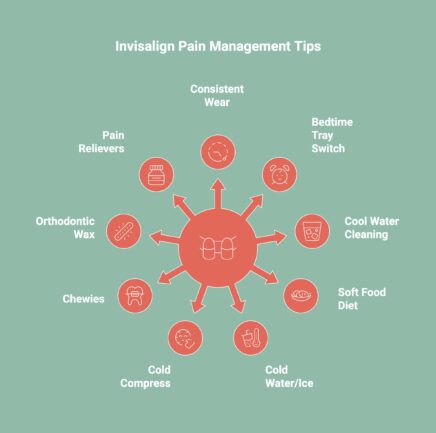
The good news is that you do not have to power through Invisalign discomfort without support. Small daily habits, timing adjustments, and simple home remedies can make treatment feel much easier. If your teeth feel tender or trays irritate your mouth, these practical tips can help reduce soreness and keep you comfortable, and understanding why they work makes them even more effective.
1. Wear Your Aligners Consistently
Keeping aligners in for 20 to 22 hours a day reduces soreness by helping your teeth adapt steadily to controlled orthodontic force. When aligners are removed frequently, the periodontal ligament around each tooth rebounds and becomes inflamed, creating more discomfort when pressure resumes. Consistent wear maintains stable movement and minimizes irritation.
2. Switch to New Trays at Bedtime
Most discomfort occurs in the first several hours after inserting a new tray because the teeth begin responding to mechanical pressure. Sleeping through this early adjustment period allows the inflammatory response to stabilize before you’re fully awake, making the transition smoother the next day.
3. Clean Aligners Without Hot Water
High heat can distort the medical-grade thermoplastic used to make Invisalign trays. Even slight warping can create uneven pressure on teeth and soft tissue, increasing irritation. Cool or lukewarm water protects structural integrity and ensures a precise, comfortable fit.
4. Choose Softer Foods When Teeth Feel Tender
During the first days of each new tray, the periodontal ligament temporarily becomes inflamed as teeth shift position. Soft foods reduce the mechanical load on tender teeth and allow tissues time to recover while movement progresses naturally.
5. Sip Cold Water or Soothe with Ice
Cold temperatures decrease blood flow and slow nerve signaling, which biologically reduces inflammation and pain perception. Sipping cold water or holding ice in the mouth provides quick relief by calming irritated ligaments and surrounding tissues. Avoid chewing ice to prevent microfractures in enamel.
6. Use a Cold Compress for Jaw Soreness
Aligner adjustments may engage jaw muscles as your bite changes. A cold compress decreases muscle inflammation and reduces swelling through vasoconstriction, easing tension around the TMJ and face without medication.
7. Try Chewies to Improve Tray Fit
Chewie exercises help seat aligners fully, so pressure is distributed evenly. Chewing stimulates blood circulation in the periodontal ligament, which speeds tissue adaptation and reduces soreness. A properly fitted tray also prevents rubbing and reduces treatment delays.
8. Use Orthodontic Wax on Sharp Edges
If aligners irritate cheeks or gums, orthopedic wax creates a smooth barrier that protects soft tissue while allowing healing. Your provider can trim or polish edges if irritation persists.
9. Take Pain Relievers When Needed
Over-the-counter pain relievers like ibuprofen reduce inflammation, which is the biological source of most orthodontic discomfort. Always follow dosage instructions and consult your provider if you have health conditions or take other medications.
Mild, short-term tenderness is normal and expected because it signals that your aligners are actively moving your teeth. However, pain should never feel severe or persistent. If something doesn’t feel right, reach out to your orthodontist immediately.
When Are You Most Likely To Feel Invisalign Pain?
Discomfort with Invisalign is not constant. It comes and goes at predictable points in your treatment. Knowing when soreness is most likely helps you feel prepared instead of surprised. These moments are completely normal and usually short-lived, and understanding them can make your smile journey much smoother.
1. Getting Used To Invisalign In The First Few Days
The first week is usually the biggest adjustment. Your mouth is adapting to a new sensation, and your teeth feel pressure for the first time. Mild soreness or tightness is common, especially when removing trays to eat. The good news is that this phase passes quickly, usually within just a few days, as your mouth adjusts.
2. Switching To A Fresh Set Of Aligners
Every time you change trays, expect a short return of pressure and tenderness. A new aligner is slightly tighter to continue movement, and soreness typically peaks during the first 24 to 48 hours. It’s usually less intense than week one because your teeth and jaw already know the routine, and discomfort fades fast.
3. Eating And Drinking With Sensitive Teeth
Right after switching trays, your teeth may feel extra sensitive, making hard or crunchy foods uncomfortable. Removing aligners to eat and choosing softer meals can help. Some people also notice sensitivity to hot or cold drinks, which is completely normal while teeth shift. Lukewarm foods and slow chewing make meals easier.
Why Choose Dentist Tree Of The Heights For Your Invisalign Journey?
If you’re considering Invisalign and want a team that truly cares about your comfort, progress, and confidence, Dentist Tree of the Heights is a wonderful place to begin. Patients love the warm, friendly atmosphere and the supportive approach that makes orthodontic treatment feel easy rather than overwhelming.
The team takes time to listen, explain every step clearly, and tailor treatment plans to your needs, so you feel confident and cared for from day one. With experienced providers, modern technology, and a gentle touch, you’re never just another appointment. You’re family here.
Let’s start the journey together. Reach out today to book a consultation.
Conclusion
Some discomfort is expected when starting your Invisalign journey. Understanding the reasons behind this discomfort can help you manage it effectively. By following the tips provided, such as wearing aligners as instructed and opting for soft foods, you can ease the transition and make your experience more comfortable. Remember, every individual’s pain threshold varies, so it’s essential to listen to your body and seek guidance from your orthodontist if needed.
Frequently Asked Questions
Does everyone experience pain with Invisalign, or does it vary?
Invisalign pain varies from person to person. While many people experience mild discomfort, especially during the first week or with a new set of aligners, some report no pain at all. The level of discomfort often depends on your individual pain tolerance and the complexity of your tooth movement.
Are there any warning signs that Invisalign pain might be serious?
While mild soreness is normal, you should contact your orthodontist if you experience serious or significant pain that doesn’t improve with pain relievers or lasts for more than a few days. Extreme pain, bleeding gums, or facial swelling are not typical and should be addressed by a professional immediately.
Can eating or drinking affect the pain level with Invisalign?
If you have tooth pain after eating, it’s likely because your teeth are sensitive from the pressure of the clear aligners. Stick to soft foods for a day or two after switching trays. Rinsing with warm salt water can also soothe sore gums and reduce general sensitivity.
Does Invisalign cause pain, and how intense is it usually?
Invisalign pain is generally considered a mild discomfort rather than actual pain. Most patients describe it as a feeling of pressure or tightness. The degree of pain is significantly less than that associated with traditional metal braces, making clear aligners a much more comfortable orthodontic option.
Are certain Invisalign trays more painful than others during the process?
Yes, some trays can feel more uncomfortable than others, especially those responsible for bigger tooth movements or rotations. These trays apply slightly stronger pressure, but the soreness is temporary and usually eases within a couple of days.
What stage of Invisalign treatment is the most uncomfortable?
The most uncomfortable stage is usually the very beginning and the first 24 to 48 hours after switching to a new aligner set. Your mouth is adjusting to fresh pressure, which typically fades quickly as teeth adapt.
When does Invisalign stop hurting?
Discomfort usually improves within the first few days and often disappears completely within a week. Most people notice significantly less soreness as treatment progresses and their mouth becomes more accustomed to aligner changes.
Does Invisalign hurt more than braces?
No, Invisalign generally hurts less than braces because there are no metal brackets or wires causing poking or irritation. You may still feel temporary pressure, but it’s typically milder and easier to manage than traditional braces.