

Key Highlights
- Dental insurance reduces out-of-pocket costs and makes routine and major dental care more affordable.
- Most plans follow the ADA’s 100/80/50 rule, covering preventive care fully, basic treatments at 80%, and major procedures at 50%.
- PPO plans offer flexibility with higher premiums, while HMO plans focus on affordability within a set network.
- Preventive visits are often free with insurance, while major treatments like crowns can cost about half the regular price.
- Individual dental plans average $20–$60 per month, and family plans range from $70–$130 per month, depending on coverage.
- Costs vary by plan type, coverage level, annual limits, and location.
- Dentist Tree of the Heights makes insurance simple, helping you maximize benefits for affordable, worry-free care in Houston.
Many people put off visiting the dentist simply because they’re unsure how much is dental insurance or what their plan truly covers. That uncertainty often leads to skipped appointments, delayed treatments, and higher costs in the long run.
The good news is that understanding your dental insurance cost can make a real difference. From routine cleanings to more complex treatments, having the right coverage makes dental care more affordable. It also helps you stay proactive about your oral health.
In this blog, we’ll outline the real cost of dental insurance, explain what influences the average dental insurance cost, and share how our clinic helps patients get the most value from their plans.
From comparing the best low cost dental insurance options to understanding your dental insurance cost per month, you’ll discover practical insights to make every visit more affordable and worry-free.
Which Type of Dental Insurance Plan Is Right for You (and What Does It Actually Cover)?
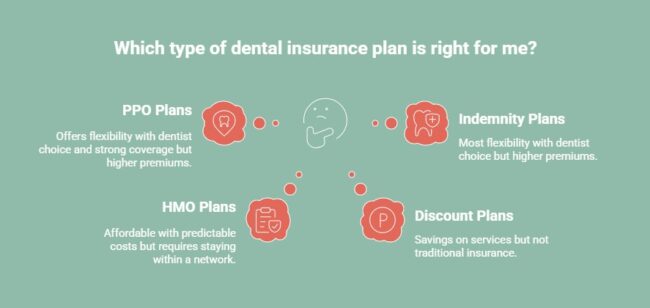
Finding the right dental insurance plan starts with understanding how each type works and what services it actually covers. The structure of a plan determines how much freedom you have in choosing a dentist, while its coverage decides how much you pay for different types of care.
1. Preferred Provider Organization (PPO) Plans
Dental PPO plans are one of the most flexible options. They allow you to visit any licensed dentist, though staying within the network usually means higher savings.
Preventive care, such as cleanings and exams, is often covered in full, while basic treatments like fillings are covered at about 80% and major procedures, such as crowns or bridges, at about 50%.
This 100/80/50 coverage structure is also confirmed by the American Dental Association, which notes that typical dental plans cover preventive care completely, basic restorative services at 80%, and major restorative care at 50%.
For example, a routine exam and cleaning might cost you nothing out of pocket, while a crown that costs $1,200 may require you to pay around $600. PPO plans tend to have higher monthly premiums but provide strong all-around protection.
2. Health Maintenance Organization (HMO) Plans
HMO plans focus on affordability and structure. You select a primary dentist within the network who coordinates your care. Services are covered only when you visit approved providers.
Preventive care is typically covered in full, but you pay small copays for treatments like fillings or extractions. If you need to see a specialist, such as for a root canal, your HMO dentist provides a referral that ensures the treatment remains covered.
For instance, a filling that might cost $200 without insurance could cost only $25 to $40 under an HMO plan. While these plans usually offer lower premiums and predictable copays, they limit your choice of dentists to those within the network.
While these plans offer lower premiums and predictable copays, they work best for individuals who primarily need routine care and are comfortable staying within one provider network.
3. Discount Dental Plans
Discount plans are not traditional insurance but membership programs that give you access to reduced fees. After paying a modest annual or monthly fee, you receive discounts on services at participating dental offices.
For example, a filling that might cost $200 could drop to $120, and cleanings are often discounted by 20 to 40%. These plans work well for people who do not need extensive treatment but still want savings on preventive or occasional dental care.
4. Indemnity or Fee-for-Service Plans
Indemnity plans provide the most flexibility because you can visit any dentist you choose. You pay for the service upfront, and the insurer reimburses a set percentage afterward.
For instance, if your plan covers 70 percent of major procedures and you pay $1,000 for a crown, you would later receive $700 back. These plans often have higher premiums but give you total freedom over your dental provider and treatment choices.
Understanding how each plan type handles preventive, basic, and major care helps you balance the dental insurance cost with the level of protection you need. This makes it easier to choose coverage that supports both your oral health and your budget.
If you’re in Houston and wondering which dental insurance makes the most sense for your smile, check out Dentist Tree Heights.
Comparing Costs: With vs. Without Dental Insurance
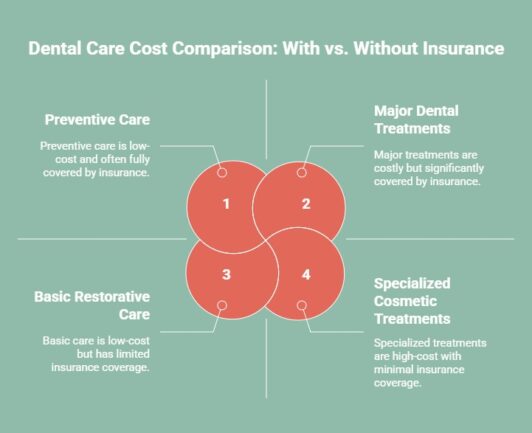
The cost of a healthy smile can surprise you. A simple filling, crown, or cleaning may seem routine until you see the bill. Dental insurance helps you manage those unexpected costs, turning large one-time expenses into predictable, affordable payments.
Having coverage makes dental care more predictable and affordable. It also encourages preventive visits that protect long-term oral health and reduce the need for complex treatments later. To understand the real value of insurance, here is a closer look at how dental costs compare with and without coverage.
1. Preventive Care Costs
Regular cleanings, exams, and X-rays are the foundation of good oral health. Without insurance, these services can range from $100 to $300 per visit, with X-rays adding another $100 to $200. With insurance, preventive care is often covered in full, meaning little to no out-of-pocket cost.
2. Basic or Restorative Care Costs
Treatments such as fillings or simple extractions address early dental problems. Without insurance, a filling might cost $150 to $300 per tooth, and a simple extraction can reach $200 or more. With most plans, about 80% of these services are covered.
3. Major Dental Treatment Costs
More advanced procedures, such as crowns, bridges, and root canals, can be costly. Without coverage, a crown may cost $1,000 to $1,500, and a root canal can range from $800 to $1,200. Dental insurance generally covers around half of these expenses, making complex care more affordable.
4. Specialized and Cosmetic Treatments
Procedures like orthodontics, implants, and whitening are usually not fully covered, though some plans provide partial coverage or discounts. Orthodontic care, for instance, can range between $3,000 and $7,000 depending on individual needs.
When comparing these costs, the value of dental insurance becomes clear. Paying a predictable monthly premium offers peace of mind and supports consistent preventive care. It also helps reduce the financial stress that often comes with unexpected dental treatments.
Understanding the cost of dental insurance in this way shows that it is both a practical and long-term investment in your health and well-being.
What Really Decides How Much You Pay for Dental Insurance?
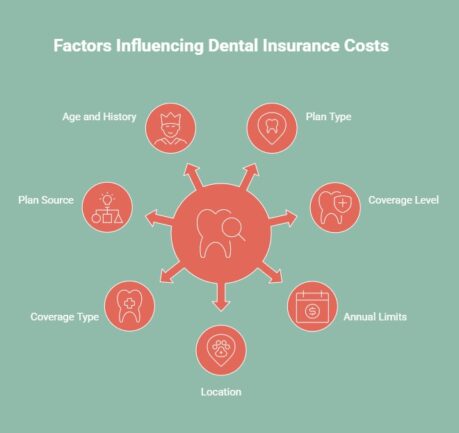
Ever wonder why your friend’s dental insurance costs less? Prices vary based on plan type, location, and how often you visit the dentist. Knowing these factors helps you pick a plan that truly fits your needs and budget.
1. Type of Plan You Pick
Choosing the right dental plan is about finding the right balance between flexibility and affordability. PPO plans usually have higher monthly premiums because they allow you to visit almost any licensed dentist and still receive coverage.
HMO plans are typically more budget-friendly but limit you to dentists within their network. If you only visit the dentist a few times a year, an HMO plan can help you save significantly. For instance, an HMO plan might cost around $25 a month, while a PPO plan with more provider options could be closer to $45 or $50 a month.
If you value flexibility, travel often, or want the freedom to choose your dentist, a PPO plan may be worth the higher premium. But if your goal is to keep routine care affordable and simple, an HMO plan can offer excellent value.
2. What Your Plan Covers
The level of coverage determines how much protection you get and how much you pay. Basic plans that cover preventive dental services, such as cleanings and fillings, often cost around twenty to thirty dollars a month. Plans that include major treatments like crowns, bridges, or orthodontics can cost closer to $60 or more. If you know you will need more extensive care, paying extra for broader coverage can save you a lot later.
3. Annual Limits and Deductibles
Every plan sets a yearly maximum, which is the total amount the insurer will pay for your dental care within a year. Most plans fall between one thousand and fifteen hundred dollars. If you expect to need procedures such as crowns or root canals, a higher annual maximum may be worth the additional cost. Although it can increase your monthly premium by ten to fifteen dollars, it offers greater financial protection when you need it most.
4. Where You Live
Your location plays a big role in how much dental insurance costs. A basic cleaning in Los Angeles might cost two hundred dollars, while the same procedure in Austin could cost closer to one hundred twenty. Insurers adjust their premiums to match local dental fees, which means where you live can directly affect your monthly payment.
5. Individual or Family Coverage
The number of people covered under your dental plan plays a major role in the overall cost. Individual coverage typically ranges from twenty to fifty dollars per month, while family plans can run between seventy and one hundred thirty dollars, depending on household size and included services.
However, the price does not depend only on how many people are covered. It also varies based on the type of coverage you choose, your deductible, annual maximum, and whether your plan includes added benefits such as orthodontic care or cosmetic treatments.
Families with children often find it worthwhile to invest in plans that offer braces coverage or additional discounts on preventive visits.
6. Employer-Sponsored or Private Plans
Employer-sponsored dental plans are often the most affordable option, since many companies contribute toward the premium. In many cases, employees may only pay $10 to $15 a month for dependable coverage that includes preventive care and basic treatments.
Private dental plans, which you purchase independently, generally range from $30 to $60 per month. While they cost more, they offer greater flexibility in choosing your level of coverage, your provider network, and optional add-ons such as orthodontic or cosmetic benefits.
This makes private plans a strong choice for individuals who want more control over their dental benefits or do not have access to employer-sponsored coverage.
7. Age and Dental History
While age does not always have a large impact, it can influence your choice of plan. Younger adults with few dental issues can often save with basic coverage, while adults in their forties and fifties may prefer plans that include more advanced treatments. If you have a history of fillings, gum problems, or crowns, investing in stronger coverage helps avoid unexpected costs later.
Understanding these factors gives you control over what you spend and what you receive in return. The goal is to find a plan that balances affordability with real protection, so your dental care remains consistent, comfortable, and worry-free.
How Dentist Tree of the Heights Makes Dental Insurance Simple?
Understanding dental insurance should never be complicated. At Dentist Tree of the Heights, we make it easy to use your benefits and get the care you deserve. We accept most major PPO plans and provide a detailed explanation of your dental coverage before every appointment, so you always know what to expect.
Our team helps you maximize your benefits for everything from preventive cleanings to crowns, implants, and orthodontics. We clearly outline what’s covered and what’s not, so you can make confident choices without financial surprises.
Whether you already have insurance or are exploring your options, Dentist Tree of the Heights is here to guide you toward affordable, stress-free care.
Call us today at 281.849.8858.
Final Thoughts
The way we think about dental care is changing. It is no longer just about fixing problems when they appear but about making choices that support lasting health and peace of mind. Dental insurance plays a quiet yet important role in that shift by helping you stay proactive rather than reactive.
What truly matters is finding a balance between cost, comfort, and consistency in your care. When you understand that balance, maintaining your smile becomes less about obligation and more about empowerment.
Frequently Asked Questions
Does dental insurance cost vary by state in the US?
Yes, the cost of dental insurance varies significantly across the United States. Due to state-based pricing and differences in local dental care costs, your geographic location is a major factor.
Are there affordable dental insurance plans for seniors?
Yes, there are affordable dental insurance options for seniors. Many Medicare Advantage (Part C) plans, offered by a private provider organization, include dental benefits. Seniors can also purchase standalone individual dental plans.
What out-of-pocket fees should I prepare for with dental insurance?
Beyond your monthly dental insurance price, expect some out-of-pocket costs such as your annual deductible, copayments for certain treatments, and coinsurance, which is the share you pay after meeting your deductible.
How much does dental insurance cost?
Full coverage dental insurance cost between $40 and $80 per month for an individual plan in the US. These plans include preventive, basic, and major services, offering broader protection but higher monthly premiums than basic coverage.
How much does Delta Dental insurance plans cost?
Delta Dental plans generally range from $23 to $45 per month for individuals. Costs vary by state and plan type, with PPO plans typically priced higher than basic preventive or HMO-style options.