

Key Highlights
- Dental implants are a long-term solution for replacing missing teeth, functioning like natural tooth roots.
- The process involves a surgical procedure to place a titanium screw into your jawbone.
- Key benefits include improved chewing, preserved facial structure, and enhanced oral health.
- You must have sufficient jawbone and good overall health to be a candidate for implant placement.
- While success rates are high, risks include infection, bone loss, and gum disease.
- Proper care helps your dental implants last a lifetime, preventing future complications.
Losing one or more teeth can affect more than just your smile; it can impact your confidence and overall oral health. Do you find yourself hiding your smile or struggling to eat your favorite foods?
If so, you’re not alone.
Fortunately, modern dentistry offers a durable and natural-looking solution. Dental implants can restore your smile, improve your chewing function, and give you back the confidence you’ve been missing.
This guide will explain everything you need to know about this popular tooth loss treatment.
What Are Dental Implants?
A dental implant is essentially an artificial tooth root, most often a small, threaded titanium screw, that an oral surgeon surgically places into your jawbone.
This post acts as a sturdy anchor for a replacement tooth. Because titanium is biocompatible, it fuses with your bone over time, creating a strong and stable foundation that mimics a natural root. This process is what makes implants such a reliable solution for a missing tooth.
An implant consists of three parts: the implant post itself, which is the titanium screw in your jaw; an abutment, which is a tiny connector post that sits above the gumline; and the final restoration.
This restoration is the visible part, which could be a crown, bridge, or denture designed to look and feel like your natural teeth. This complete structure provides a permanent and functional replacement, filling the gap in your smile without affecting neighboring teeth.
What Is the Process of Getting a Dental Implant?
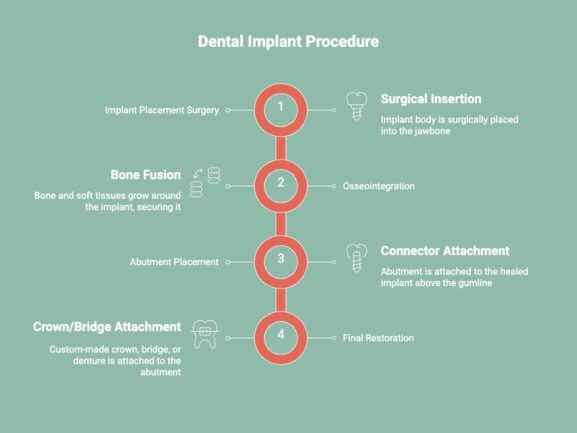
The journey to getting a dental implant is a personalized surgical procedure that happens over several months. Below are the main steps involved:
1. Implant Placement Surgery
During the initial surgery, a dental specialist makes an incision in your gum to expose the bone. A small hole is carefully created, and the implant body is placed into your jawbone to reduce the risk of infection before closing the incision with stitches. You may experience some minor bleeding during this process, but this begins the healing process.
2. Osseointegration
After the implant is placed, a critical healing phase called osseointegration occurs. This is where your natural soft tissues and bone tissue grow around and fuse with the implant, creating a secure and durable base. This is crucial for the success of subsequent treatments, including fixed partial denture applications. This phase can take three to nine months.
3. Abutment Placement
Once your jaw has fully healed, your dentist attaches the abutment, a small connector post that sits above the gumline, preparing the site for the final restoration.
4. Final Restoration
The custom-made crown, bridge, or denture is attached to the abutment, completing the implant. The result is a new tooth that looks, feels, and functions just like your natural tooth.
What Are the Benefits of Dental Implants?
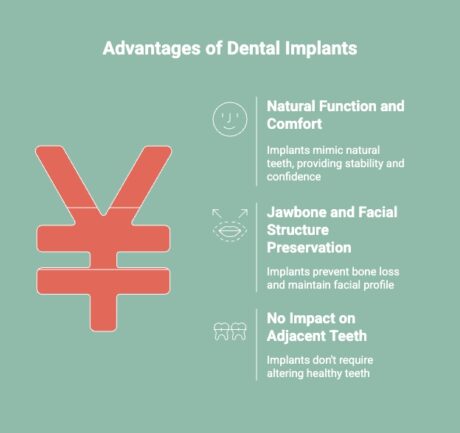
When considering tooth replacement, dental implants offer several advantages compared to other options.
1. Natural Function and Comfort
Dental implants function just like your natural teeth, allowing you to eat, speak, and smile with confidence. Unlike dentures, the majority of dental implants are fixed in place and won’t slip or cause discomfort, providing lasting stability. The dental implant procedure is considered an outpatient surgery, ensuring a smooth process for patients.
2. Jawbone and Facial Structure Preservation
Implants help preserve your jawbone and facial structure. When a tooth is lost, the bone underneath can deteriorate. Those with poor oral hygiene may face complications. This could necessitate a bone graft if the deterioration is significant. Implants stimulate the bone, preventing bone loss and maintaining a natural facial profile.
3. No Impact on Adjacent Teeth
Unlike dental bridges, implant placement doesn’t require altering healthy neighboring teeth. This conservative approach provides a one-tooth solution for a one-tooth problem, making it a long-lasting, restorative choice.
How to Prepare for a Dental Implant Procedure?
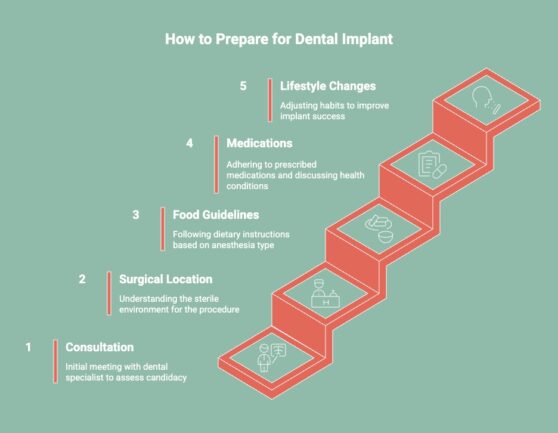
Proper preparation is key to a smooth surgery and a successful dental implant outcome. This includes consultations, understanding your surgical location, dietary guidelines, medications, and lifestyle adjustments.
Many patients find that following these steps helps make the process easier and the recovery quicker:
1. Consultation and Medical Evaluation
Your preparation starts with a comprehensive consultation with an oral surgeon or dental specialist, including maxillofacial surgeons, to discuss your potential new teeth. They will review your medical history, perform a thorough dental exam, and take X-rays to determine if you are a good candidate.
2. Surgical Location
Dental implant treatment surgery is typically performed as an outpatient procedure in a professional, sterile dental office. Whether your provider is a general dentist, periodontist, or oral surgeon, you can expect expert care throughout the number of procedures involved in the process.
3. Food and Drink Guidelines
Pre-surgery eating depends on the type of anesthesia:
- Local anesthesia: Eat a light meal a couple of hours before.
- IV sedation: Avoid food and drink after midnight before surgery.
Prepare post-surgery soft foods at home to aid recovery.
4. Medications
Your dentist may prescribe antibiotics or antibacterial mouthwash prior to surgery to reduce infection risk. Make sure to:
- Provide a full list of medications and supplements.
- Discuss chronic health conditions.
- Follow all pre-operative prescriptions precisely.
5. Pre-Op Lifestyle Changes
Lifestyle adjustments improve implant success:
- Stop smoking or vaping.
- Maintain excellent oral hygiene habits.
- Treat any existing gum disease or tooth decay.
These steps ensure a smoother procedure and long-term dental implant health.
What Are the Risks or Complications of Dental Implants?
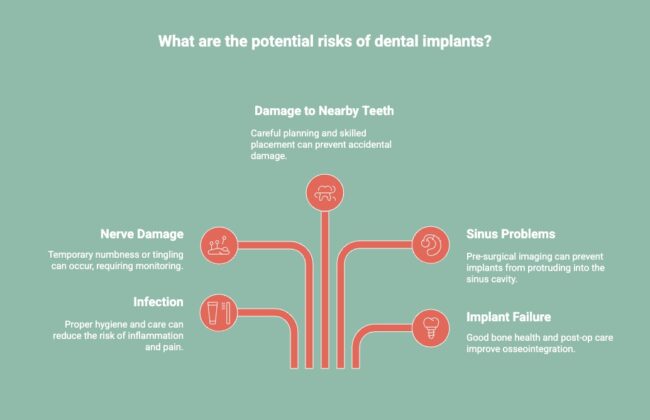
While dental implants have a high success rate, it’s important to understand potential risks, particularly infection at the implant site. Most complications are uncommon but can include nerve issues or implant failure. Choosing an experienced surgeon helps minimize these risks.
1. Infection
Bacteria can enter the surgical site, causing inflammation, redness, and pain around the implant. Proper hygiene and pre/post-op care reduce this risk.
2. Nerve Damage
Surgery can sometimes affect nearby nerves, causing pain, numbness, or tingling in the teeth, gums, or chin. This is usually temporary but should be monitored by your dentist.
3. Damage to Nearby Teeth
Adjacent teeth or blood vessels may be accidentally affected during surgery. Skilled placement and careful planning reduce the likelihood of this complication.
4. Sinus Problems
For implants in the upper jaw, there is a small risk of the implant protruding into the sinus cavity. Pre-surgical imaging and planning help prevent this.
5. Implant Failure
In rare cases, the implant may not fuse properly with the jawbone (osseointegration fails), requiring removal or replacement. Good bone health and adherence to post-op care improve success rates.
Want a Long-Lasting, Natural-Looking Tooth Replacement?
Missing teeth can affect more than your smile; they impact confidence, chewing, and overall oral health. At Dentist Tree of the Heights, we provide personalized dental implant solutions that look, feel, and function like natural teeth.
- Expert Care: Our skilled dental team has years of experience in implant dentistry, ensuring safe and precise procedures.
- Comprehensive Solutions: From mini dental implants to full-arch restorations, we tailor treatments to your unique needs.
- Advanced Technology: State-of-the-art equipment ensures accurate placement and optimal results.
- Comfort & Convenience: Modern amenities and a welcoming environment make your visit stress-free.
- Flexible Financing: Options like CareCredit, LendingClub, Denefits, and in-house membership plans make implants affordable.
Don’t let missing teeth hold you back. Call 281-849-8858 today to schedule a consultation and take the first step toward a confident, healthy smile.
Conclusion
Dental implants offer a long-lasting, natural-looking solution for missing teeth, including alternatives to false teeth, restoring not just your smile but your confidence and oral function. While they involve a surgical procedure, proper preparation, an experienced dental team, and diligent post-op care make complications rare and success highly likely. By understanding the process, benefits, and potential risks, including impacts on facial bones, you can make an informed decision and take the first step toward a healthier, fully functional smile.
If you’re considering dental implants, consult with a trusted specialist in the dental community to create a personalized plan that fits your needs and ensures long-term oral health through advanced dental technology. Your journey to a confident, natural smile starts today.
Frequently Asked Questions
What Is a Dental Implant and How Does It Work?
Dental implants are artificial tooth roots, usually titanium screws, placed into the jawbone to support crowns, bridges, or dentures. Unlike traditional dentures, they mimic natural teeth in function and appearance, offering long-term stability and comfort.
What Are the Main Steps Involved in a Dental Implant Procedure?
The dental implant procedure includes consultation, surgical placement of the implant, healing/osseointegration, abutment placement, and final restoration. The dental implant process ensures a secure foundation for your replacement tooth.
Who Is a Good Candidate for Dental Implants?
Good candidates have healthy gums, sufficient jawbone, and no uncontrolled periodontal disease. Seniors may benefit from dental implants for seniors, while those with poor oral health may need treatment before implant surgery.
What Are the Benefits of Getting Dental Implants Compared to Other Tooth Replacement Options?
Dental implants and dentures improve chewing, speech, and confidence. Implants prevent bone loss, protect adjacent teeth, and offer longer-lasting results compared to traditional dentures or bridges.
What Should I Expect During Dental Implant Surgery?
Dental implant surgery involves placing the titanium implant into the jawbone under anesthesia. Post-op includes healing, pain management, and follow-up appointments with a dental implants specialist to ensure proper integration.
What Potential Risks or Complications Are Associated with Dental Implants?
Risks include infection, implant failure, nerve damage, or complications from bad dental implants. Proper evaluation and following the treatment plan reduce risks and ensure successful results.
How Long Does It Take to Recover from Dental Implant Surgery?
Initial healing may take 1–2 weeks, while full integration can take 3–9 months. Following post-op care extends the life of your implant. How long do dental implants last depends on oral hygiene and maintenance.
Are There Different Types or Brands of Dental Implants Available?
Yes, patients can choose best dental implants based on material, design, and manufacturer. Options include single-tooth implants, full-arch, and same day dental implants for quicker restoration.
How Should I Care for My Dental Implants After the Procedure?
Care for implants like natural teeth: brush, floss, and attend regular checkups. Avoid smoking, manage periodontal disease, and follow your dentist’s treatment plan for long-lasting results.
How Long Do Dental Implants Typically Last?
With proper care, dental implants can last decades, often a lifetime. Maintenance, regular visits, and avoiding damage help ensure longevity. See before and after dental implants examples to understand their lasting impact.